

Content
An adhesive patch is a flexible piece of material coated with a sticky backing on one side, designed to attach to skin, fabric, or another surface for a set period of time. While most people picture a simple bandage when they hear the term, adhesive patches actually cover a much wider category. Medical adhesive patches deliver medication through the skin, protect wounds, or hold sensors and monitors in place. Cosmetic adhesive patches treat acne or reduce puffiness. Industrial and craft adhesive patches repair fabric, seal small holes, or reinforce weak spots on gear. What ties them all together is the same basic engineering challenge: staying firmly attached without irritating the surface underneath or leaving behind a mess when removed.
Because an adhesive patch is often left on for hours or even days, the quality of the adhesive and the backing material matters far more than it does for something like tape used for a few minutes. A poorly designed patch will curl at the edges, trap sweat, or pull off hair and skin cells when removed. A well-designed one stays flexible, breathes, and comes off cleanly.
Not every adhesive patch is built the same way, and choosing the wrong type for the job is the most common reason people end up frustrated with peeling, irritation, or poor performance. Here's a breakdown of the main categories you'll come across:
| Patch Type | Primary Use | Typical Wear Time |
| Transdermal medication patch | Delivers drugs like nicotine, pain relief, or hormones through skin | 1-7 days |
| Wound care patch | Covers cuts, blisters, or minor abrasions | 1-3 days |
| Hydrocolloid acne patch | Absorbs fluid from pimples and protects them from picking | 6-12 hours |
| Sensor or device adhesive patch | Holds glucose monitors, heart rate sensors, or ECG leads in place | 3-14 days |
| Fabric or gear repair patch | Seals tears in clothing, tents, or inflatables | Permanent |
If you're shopping for an adhesive patch, matching the type to your actual need is the first and most important decision. A patch designed for short-term acne treatment won't hold up to a week of wear, and a heavy-duty medical adhesive patch is overkill for a small blemish.
The performance of an adhesive patch comes down to three components working together: the adhesive layer, the backing material, and the release liner. Each plays a distinct role, and weakness in any one of them shows up as a patch that fails early or feels unpleasant to wear.
This is the sticky compound itself, usually made from acrylic, silicone, or hydrocolloid materials. Acrylic adhesives offer strong, long-lasting hold and work well for patches meant to stay on for several days. Silicone adhesives are gentler and better suited for sensitive or fragile skin, such as on older adults or people using a patch daily over the same spot. Hydrocolloid adhesives are unique in that they actively absorb moisture, making them ideal for acne patches and wound dressings.
The backing determines how flexible, breathable, and durable the patch feels. Woven and non-woven fabric backings flex with the body and allow air through, reducing sweat buildup underneath. Polyurethane film backings are thinner, more waterproof, and often used for patches that need to survive showering or exercise. Foam backings add cushioning, which is useful for patches placed over joints or bony areas prone to friction.
This is the protective paper or film peeled away right before application. While it doesn't affect the patch once worn, a liner that's hard to remove or splits awkwardly often leads to fingerprints or lint getting onto the adhesive, weakening the bond before the patch even touches skin.
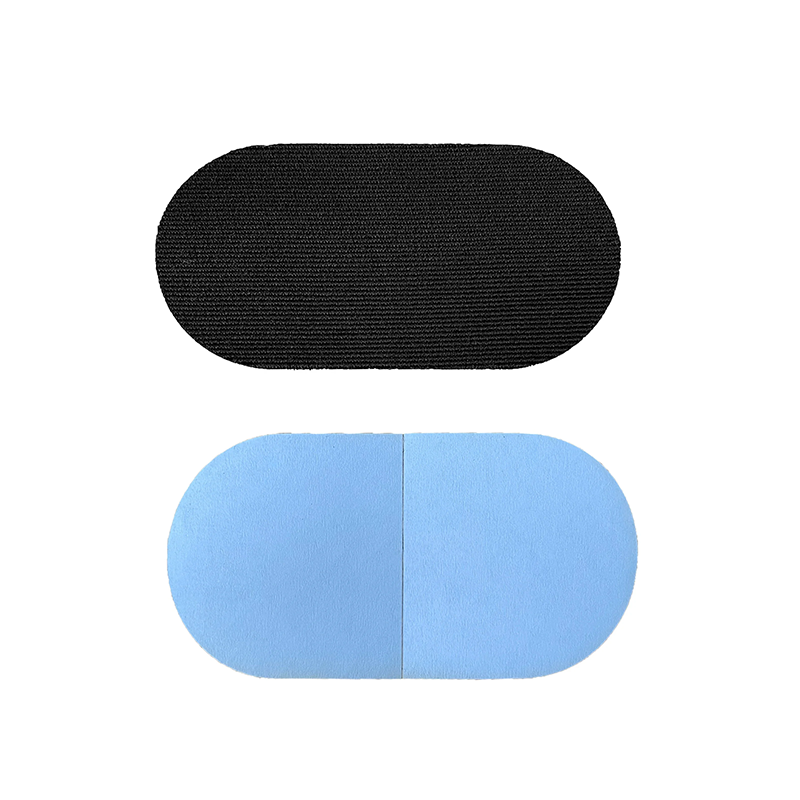
Even a high-quality adhesive patch will fail early if it's applied incorrectly. Skin oil, moisture, and debris are the biggest enemies of adhesion, and a few extra seconds of prep can add days to how long a patch stays put. Follow these steps for the best results:
Removal matters just as much as application, especially for anyone using an adhesive patch repeatedly in the same area, such as with continuous glucose monitors or long-term medication patches. Pulling a patch off quickly might feel satisfying, but it's also the fastest way to cause redness, micro-tears, or a rash.
Instead, peel slowly and at a low angle, working in the direction of hair growth rather than against it. Using a warm, damp cloth over the patch for a minute beforehand can loosen the adhesive bond significantly. For patches with particularly strong hold, a small amount of baby oil or adhesive remover applied at the edges makes a noticeable difference. After removal, gently clean the area and give the skin a break before applying a new patch to the exact same spot.
Sometimes the issue isn't application technique but a mismatch between the patch and your skin or lifestyle. Recognizing these signs early can save weeks of discomfort and wasted product.
Ultimately, choosing the right adhesive patch is less about finding a single "best" option and more about matching the patch's materials and design to your specific skin type, activity level, and intended wear time. With the right match and proper technique, an adhesive patch can stay comfortably and securely in place for its entire intended duration.
 NO.89 Duanshu Road, Xinggong Road, Pinghu City, Zhejiang Province, China
 [email protected]
 +86-(0)573-8507 6991
Copyright © hero-medical.com. All Rights Reserved
 Wholesale Sport Tape Manufacturers
China Sport Tape Suppliers
Wholesale Sport Tape Manufacturers
China Sport Tape Suppliers
The information provided on this website is intended for use only in countries and jurisdictions outside of the People's Republic of China.
 English
 Espana
 Français
 Deutsch