

Content
Most people grab whatever's in the first aid kit without thinking twice — but using the wrong type of bandage on a wound can slow healing, cause infection, or make an injury worse. A compression bandage on a small cut doesn't make sense, and a simple adhesive strip on a deep laceration isn't going to cut it either. Understanding the different types of bandages and what each one is designed to do gives you the confidence to respond correctly when it counts — whether you're dealing with a kitchen accident, a sports injury, or a more serious wound that needs proper care before medical help arrives.
This guide covers every major category of bandage type, explains the specific use cases for each, and helps you figure out what you should actually have stocked in your home, car, or workplace first aid kit. From adhesive bandages to triangular slings, we break it all down in plain, practical terms.
Adhesive bandages — commonly known by brand names like Band-Aid — are the most widely used bandage type in the world. They consist of a small absorbent pad (the dressing) attached to a flexible adhesive backing that sticks directly to the skin. They're designed for minor wounds: small cuts, scrapes, blisters, and superficial abrasions that need protection from dirt and friction while the skin heals naturally.
Despite being simple, adhesive bandages come in a surprising number of variations designed for specific situations:
Change adhesive bandages at least once a day, or immediately when they become wet, dirty, or start to peel. Leaving a damp bandage on a wound significantly raises infection risk.
Gauze is the backbone of most serious wound care. It's a loosely woven cotton or synthetic fabric that is highly absorbent, breathable, and gentle enough for direct contact with open wounds. Gauze bandage types come in several distinct forms, each suited to different stages and types of wound management.
Gauze pads are flat, square or rectangular pieces of woven gauze used as primary wound dressings. They're placed directly over a wound to absorb blood and exudate, protect the wound from contamination, and provide a clean interface between the wound and any secondary bandaging. They come in sterile individual packages for clinical use and in bulk for non-sterile applications like padding. Sizes range from 2x2 inches for small wounds to 4x4 inches and larger for abdominal or trauma wounds.
Rolled gauze — sometimes called conforming gauze or stretch gauze — comes in continuous rolls that you wrap around a limb or body part to hold a gauze pad in place. It conforms to body contours, which makes it especially useful for wrapping irregular areas like hands, feet, and joints. Rolled gauze is available in different widths (1 inch to 6 inches) to match the size of the area being wrapped. It's breathable and doesn't apply significant compression on its own, which is important when you don't want to restrict blood flow.
Packing gauze is a long, narrow strip of gauze designed to be packed into deep, narrow wounds — such as puncture wounds or surgical incisions — to prevent the wound from closing at the surface before the deeper tissue heals. Some packing gauze is impregnated with hemostatic agents like kaolin or chitosan to accelerate clotting in traumatic bleeding scenarios. This type is increasingly included in tactical and military first aid kits.
Compression bandages are elastic or semi-elastic bandages designed to apply consistent pressure to a body part. They serve a fundamentally different purpose from wound-covering bandages — their primary goals are to reduce swelling, support injured soft tissue, and manage conditions related to circulation. They are not typically used as primary wound dressings.
The ACE bandage is the classic elastic compression bandage — a reusable, washable, woven elastic roll that is wrapped around a joint or limb in overlapping spiral turns. It's the standard treatment for ankle sprains, knee strains, and wrist injuries where mild-to-moderate compression helps reduce acute swelling and provides proprioceptive support during movement. The key to using a compression bandage correctly is applying it snugly but not so tightly that it cuts off circulation — fingers and toes should remain pink and warm after wrapping.
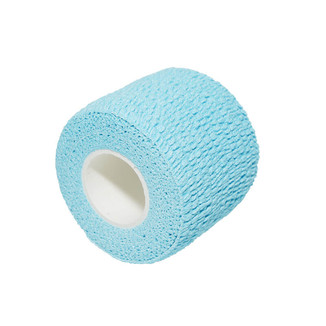
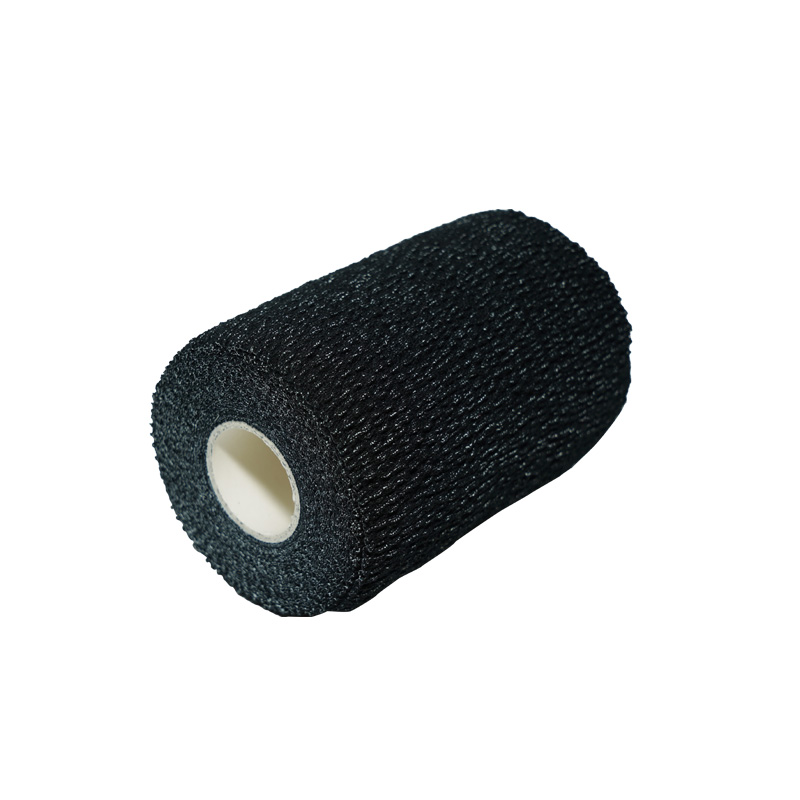
Cohesive bandages, often sold under names like CoFlex or VetWrap, stick to themselves without any adhesive — they bond to their own surface but not to skin or hair. This makes them comfortable, easy to apply without clips or pins, and ideal for situations where the bandage needs to stay in place through activity. They're widely used in sports medicine for ankle and wrist taping, in veterinary care, and in clinical settings for holding IV lines and dressings in place. They come in a rainbow of colors and are single-use by design.
Medical-grade compression bandages used for chronic venous insufficiency, lymphedema, and leg ulcer management are a specialized category. These include short-stretch bandages (which apply high working pressure during movement but low resting pressure), long-stretch bandages, and multi-layer compression systems. These are typically applied by trained healthcare professionals following specific protocols because incorrect compression can worsen circulation problems rather than improve them.
A triangular bandage is a large piece of cloth cut or folded into a right-angled triangle. It's one of the most versatile items in a first aid kit because it can be used in multiple configurations depending on the situation. Every standard first aid kit should include at least one, and wilderness or trauma kits should carry several.
Here are the primary ways a triangular bandage is used:
Tubular bandages are seamless, cylindrical sleeves of stretch fabric designed to be pulled over a limb or digit. Because they're knitted in a tube shape, they apply even, consistent pressure around the entire circumference of the area without bunching, folding, or requiring pinning. They're available in multiple diameters to fit everything from individual fingers to the full thigh.
Tubular gauze is a very fine, open-weave tubular mesh used to hold dressings on fingers and toes without adhesive tape. It's applied using a small cylindrical applicator cage and can be layered for additional padding. It's particularly useful for dressings that need to be changed frequently, since the tube can be slid off and reapplied without disturbing the underlying wound dressing.
Larger elastic tubular bandages, such as Tubigrip, are used for compression and support on ankles, knees, elbows, and wrists. They provide light-to-moderate compression and are often worn during activity to manage mild joint swelling or to provide proprioceptive feedback to an injured joint. Unlike roller compression bandages, they're quicker to apply correctly because there's no technique involved — you simply pull them on.
Beyond traditional bandages, modern wound care includes a range of specialty dressings engineered for specific wound types and healing environments. These aren't typically found in standard home first aid kits, but they're standard in clinical settings and increasingly available for home use in chronic wound management.
| Dressing Type | Best Used For | Key Feature |
| Hydrocolloid Dressing | Blisters, pressure ulcers, minor burns | Creates moist healing environment, self-adhesive |
| Foam Dressing | Moderate-to-heavy exuding wounds | High absorbency, cushioning, thermal insulation |
| Alginate Dressing | Heavily exuding or bleeding wounds | Derived from seaweed; absorbs large fluid volumes |
| Transparent Film Dressing | IV sites, superficial wounds, skin tears | Waterproof, allows wound monitoring without removal |
| Antimicrobial / Silver Dressing | Infected or high-infection-risk wounds | Releases silver ions that kill a broad spectrum of bacteria |
| Silicone Dressing | Fragile skin, post-surgical wounds, burns | Non-adherent, atraumatic removal, scar management |
| Hemostatic Dressing | Severe traumatic bleeding | Contains clotting agents (kaolin, chitosan) to stop hemorrhage |
Choosing between these advanced dressing types typically requires an understanding of the wound's stage, exudate level, infection status, and location. When in doubt, a healthcare professional should assess the wound and recommend the most appropriate dressing protocol.
Sports medicine uses a distinct category of bandage and taping products focused on injury prevention, joint stabilization, and rehabilitation support. These differ significantly from wound-care bandages in their construction and purpose.
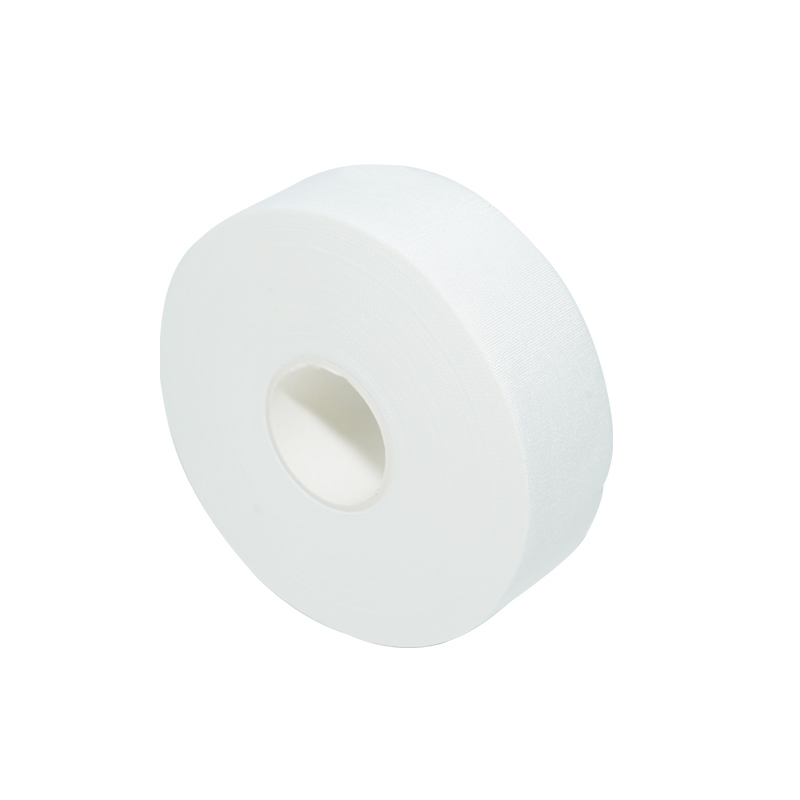
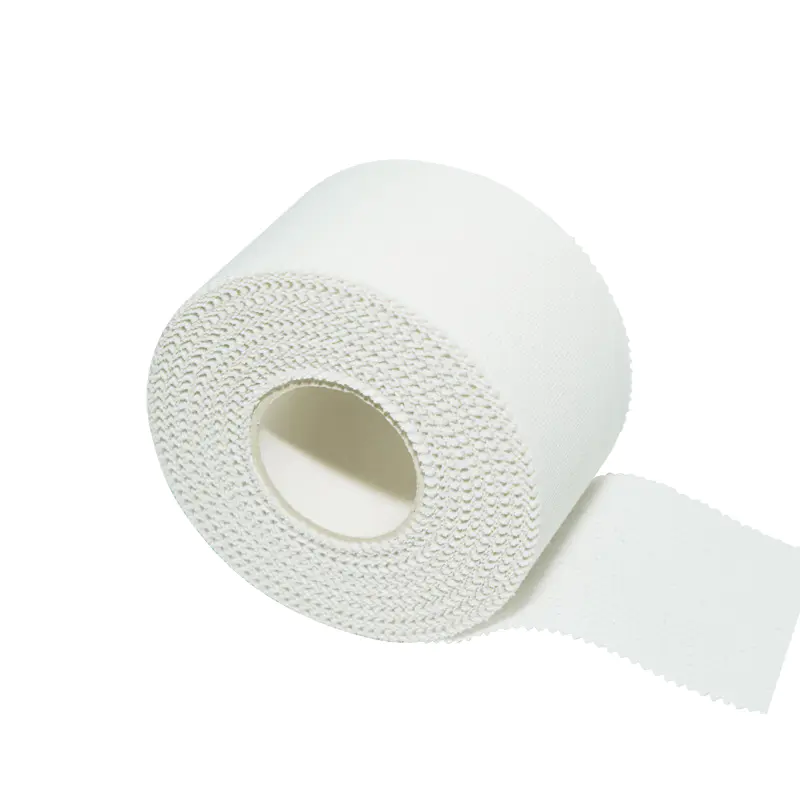
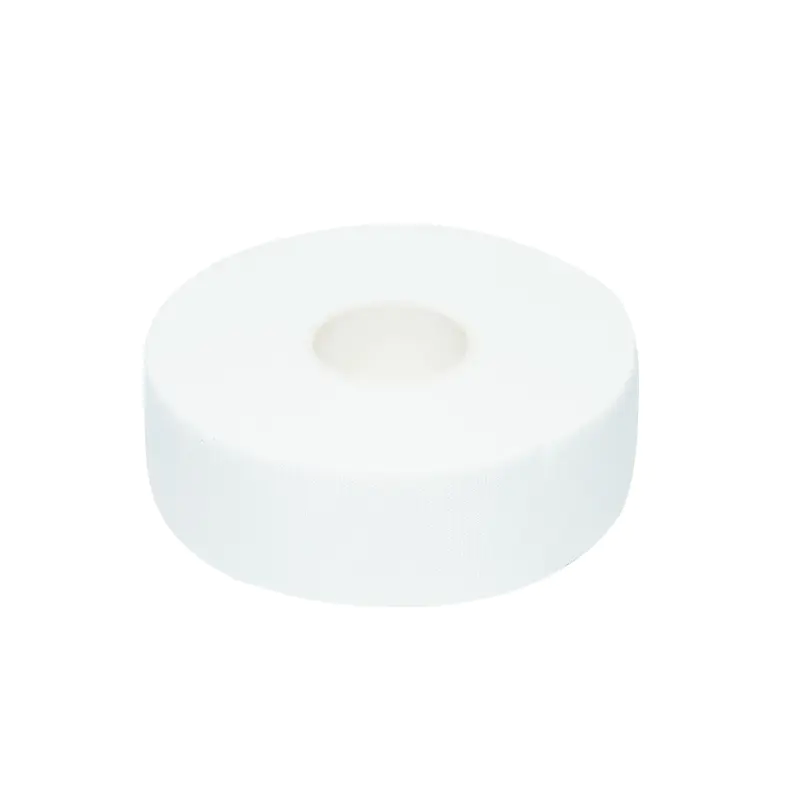
White zinc oxide athletic tape is the gold standard in sports taping. It's inelastic, which means it provides firm, non-moving support to joints — particularly ankles, wrists, and thumbs. Trained athletic trainers apply it in specific patterns to restrict certain ranges of motion while allowing functional movement. It requires a pre-wrap foam base layer to protect the skin from adhesive irritation during prolonged wear.
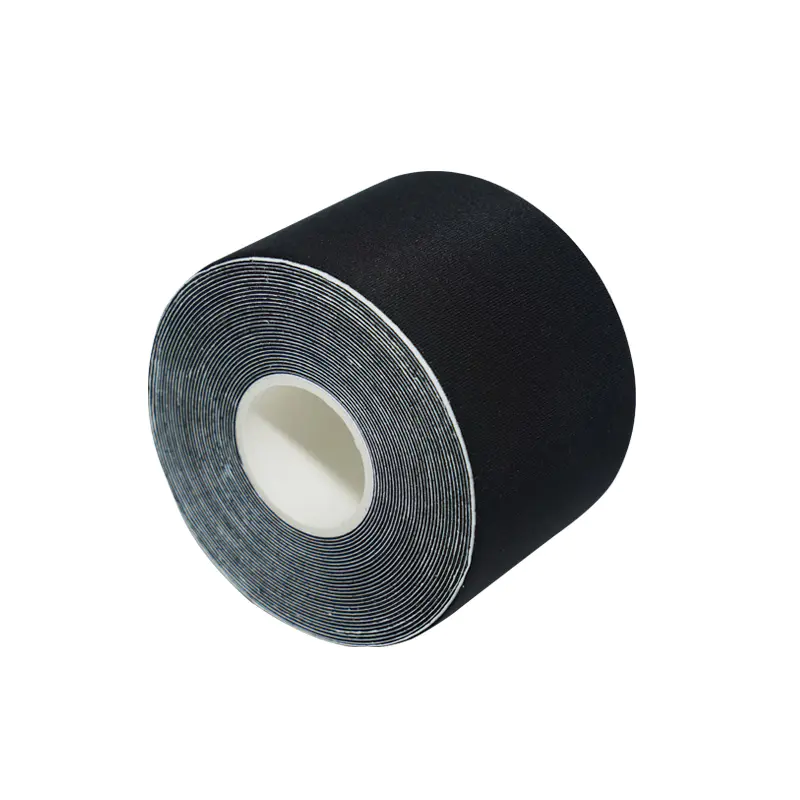
Kinesiology tape (KT Tape, RockTape) is a thin, elastic cotton tape that stretches longitudinally but not laterally. It's applied with varying degrees of tension to support muscles, improve proprioception, reduce swelling by lifting the skin slightly above subcutaneous tissue, and provide sensory feedback to an injured area without restricting movement. Unlike rigid strapping tape, kinesiology tape is designed to be worn for several days at a time, including through exercise and showering.
Pre-wrap is a thin, lightly foam-padded roll applied to the skin before rigid tape to protect it from adhesive and friction. It doesn't provide any structural support on its own but is essential for comfortable athletic taping over skin. It's typically used under cohesive bandages or rigid strapping tape and peels away cleanly after use.
Burns require a very specific approach to wound coverage that differs from standard laceration or abrasion care. The goals are to cool the wound initially, prevent infection, maintain a moist healing environment, and minimize pain from air contact.
Now that you understand the main types of bandages, here's a practical stocking guide for three common scenarios:
| Kit Type | Recommended Bandage Types |
| Home First Aid Kit | Assorted adhesive bandages, sterile gauze pads (2x2, 4x4), rolled gauze, elastic compression bandage, triangular bandage, non-adherent dressings, butterfly closures |
| Workplace / Office Kit | All home kit items plus burn gel dressings, eye pad dressings, knuckle and fingertip bandages, cohesive bandages |
| Outdoor / Wilderness Kit | All above items plus hemostatic gauze, extra triangular bandages, moleskin for blisters, elastic tubular bandage, large trauma dressings, waterproof adhesive bandages |
Review and restock your first aid kit every 12 months. Check expiration dates on sterile dressings and replace any items that have been used, opened, or compromised by moisture. A first aid kit with expired or depleted supplies is only marginally better than no kit at all.
When you're in the middle of treating an injury, you don't want to be second-guessing your choice. Here's a fast-reference guide to help you match the situation to the right bandage type quickly:
Knowing your bandage types is genuinely useful knowledge — not just something to memorize for a first aid certificate. The difference between reaching for a cohesive bandage versus an elastic compression bandage, or knowing that a non-adherent dressing belongs on a burn while gauze does not, can directly affect how well and how quickly an injury heals. It can also prevent you from accidentally causing more harm in a stressful situation.
Take the time to stock your kit thoughtfully, familiarize yourself with how each type of bandage works before you need it, and consider taking a basic first aid course that lets you practice bandaging techniques with real materials. When an injury happens — and it will — you'll respond with skill and confidence instead of uncertainty.
 NO.89 Duanshu Road, Xinggong Road, Pinghu City, Zhejiang Province, China
 [email protected]
 +86-(0)573-8507 6991
Copyright © hero-medical.com. All Rights Reserved
 Wholesale Sport Tape Manufacturers
China Sport Tape Suppliers
Wholesale Sport Tape Manufacturers
China Sport Tape Suppliers
The information provided on this website is intended for use only in countries and jurisdictions outside of the People's Republic of China.
 English
 Espana
 Français
 Deutsch