

Cotton athletic tape is the rigid, breathable, dependable option in the sports tape family. That is why a physiotherapist reaching for a roll on a busy clinic morning can be sure it will stick firmly, support the joint, and come off cleanly. The same applies to an athlete preparing for a tournament, a coach taping ankles, or a procurement manager evaluating a supplier.
It is designed to limit joint movement, reinforce vulnerable areas, and hold bandages in place. If you are choosing cotton athletic tape for your own training, or sourcing it in bulk for a brand, the practical rules are the same: start with the weave, check the adhesive, match the width to the joint, and verify who manufactures it.
Content
Cotton athletic tape is a non-elastic, woven fabric tape coated with a pressure-sensitive adhesive. The cotton backing gives it a breathable surface, while the lack of elastic stretch makes it a rigid strapping tool. That rigidity is exactly why it is used for joint stabilisation, finger protection, and securing heavy bandages.
Comparing it with other popular tapes helps clarify where it fits:
| Tape type | Backing material | Elasticity | Typical use |
|---|---|---|---|
| Cotton athletic tape | Woven cotton | Non-elastic / rigid | Joint stabilisation, ankle and knee strapping, finger protection |
| Kinesiology tape | Cotton or nylon with elastic weave | Elastic, stretches with movement | Muscle support, swelling management, proprioceptive feedback |
| Rayon rigid strapping tape | Rayon fabric | Very rigid, high tensile strength | Heavy strapping where maximum support is needed |
The distinction matters for a simple reason: if you need to limit motion, choose rigid tape. If you need to allow movement while guiding a muscle, choose an elastic tape. Cotton athletic tape sits firmly on the rigid end of the scale, which is why it remains a staple in sports bags.
Selecting the right tape is not only about the brand or the colour. Two rolls that look identical can perform very differently depending on the fabric construction and the adhesive coating. Here are the practical specifications to evaluate.
The most common widths for cotton athletic tape are 25 mm, 38 mm, and 50 mm. The 50 mm width is the standard choice for ankles and knees, while the narrower 25 mm tape is used for fingers and smaller joints. Roll length also matters: a 10 m roll is useful for individual use, while a 13.7 m or 15 m roll offers better value for clinics and teams.
A good cotton athletic tape should adhere firmly through sweat and movement without leaving heavy residue. The adhesive is usually a rubber-based or zinc oxide formula, and the choice affects both tack and skin reaction. If your customers have sensitive skin, look for a tape with a lower adhesive mass and a clean, easy tear that follows the weave.
Colour is not just aesthetic. Different colours help identify tape per player or per body part, and for private-label sellers, the colour range supports brand differentiation. Cotton athletic tape is available in black, blue, green, orange, pink, red, skin tone, and white, which gives both sports teams and retail buyers the flexibility they need. Some suppliers also offer a perforated or hole-punched version, such as white cotton regular hole tape, which is designed to improve breathability.
When you are evaluating a supplier, ask for sample rolls in the exact width and adhesive formulation you intend to sell. Test the tape on skin, pull off the release liner, and check the residue after removal.
Correct application ensures the tape does what it is supposed to do. The following method works well for ankles, wrists, and fingers, and it is especially useful for preventing sports injuries.
One common mistake is wrapping too tightly. Cotton athletic tape is rigid, so it does not expand with the body. A tight wrap can cut off circulation quickly. Always verify that the tape is comfortable and that the joint can move within the desired range.
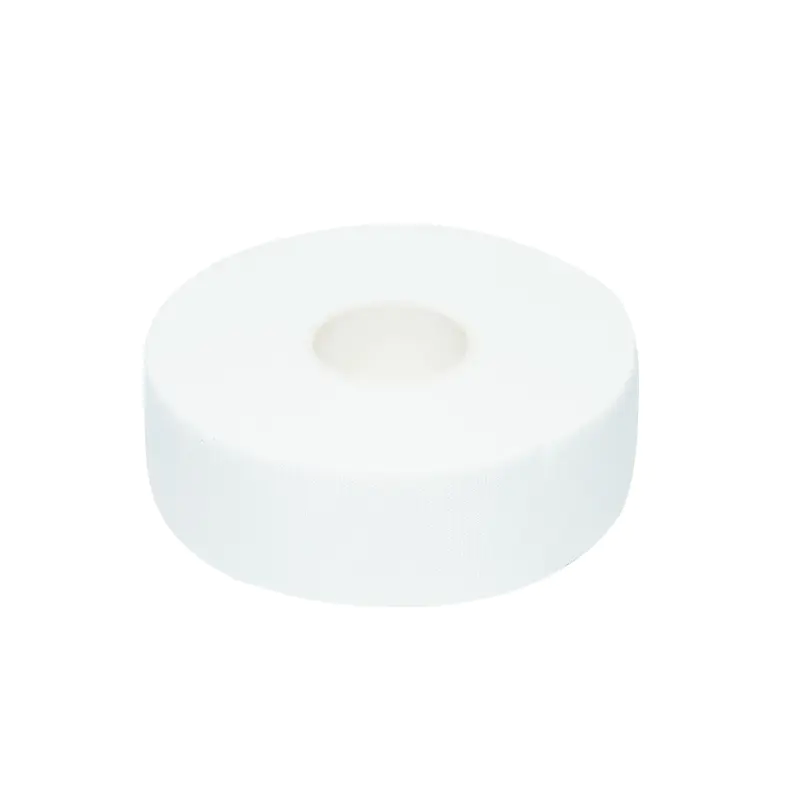
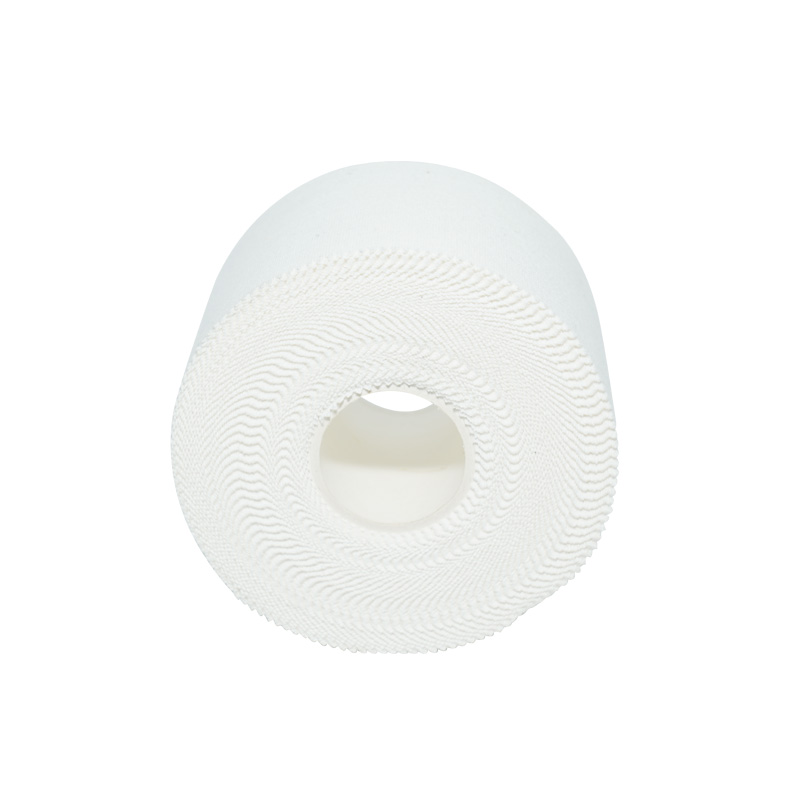 White Cotton Athletic Tape for Hand Grip StrengtheningThis rigid cotton tape supports wrists and hands during grip exercises; its breathable adhesive conforms comfortably and helps prevent sprains.View Product →
Cotton athletic tape is used across a wide range of sports and recovery settings. Here are the most common applications, which are also the reasons it sells so well in both retail and professional channels.
The ankle is the most frequently taped joint in sport. A rigid cotton tape supports the ligaments and limits extreme lateral movement, which reduces the risk of sprains during running, basketball, and football.
For mild instabilities, a figure-eight or spiral wrap with cotton athletic tape can help the athlete feel secure. The tape does not replace a proper brace, but it adds confidence during training.
Volleyball, basketball, and weightlifting involve a lot of finger and thumb stress. Wearing cotton athletic tape on the digits reduces friction and protects the skin from blisters, while also giving a thicker grip for equipment.
A wrist wrap can ease discomfort during pushups, planks, or boxing. On the shoulder, cotton athletic tape is used in strapping patterns that support the joint without restricting the chest and breathing.
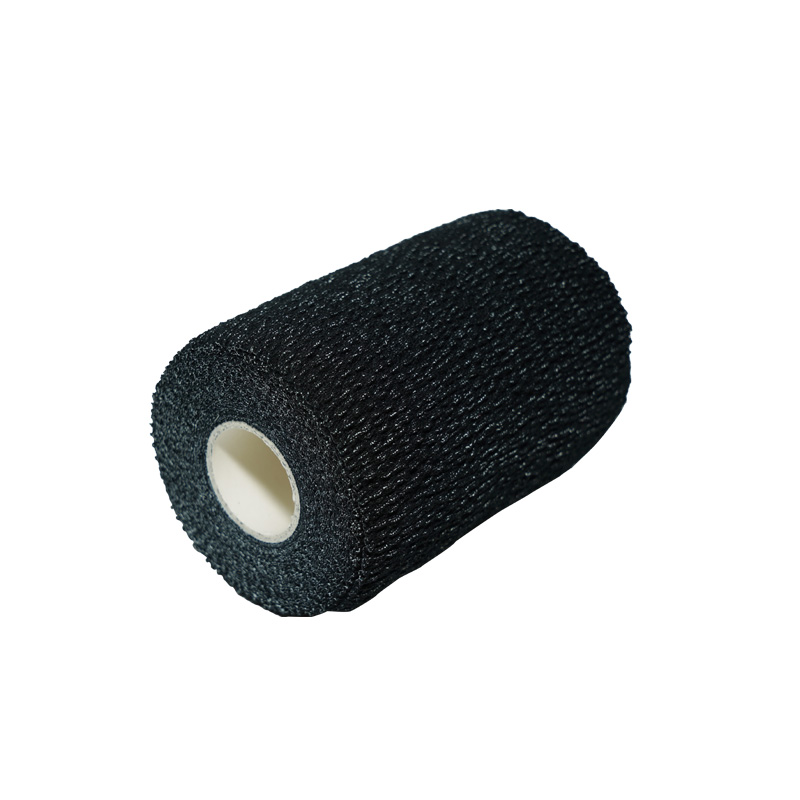
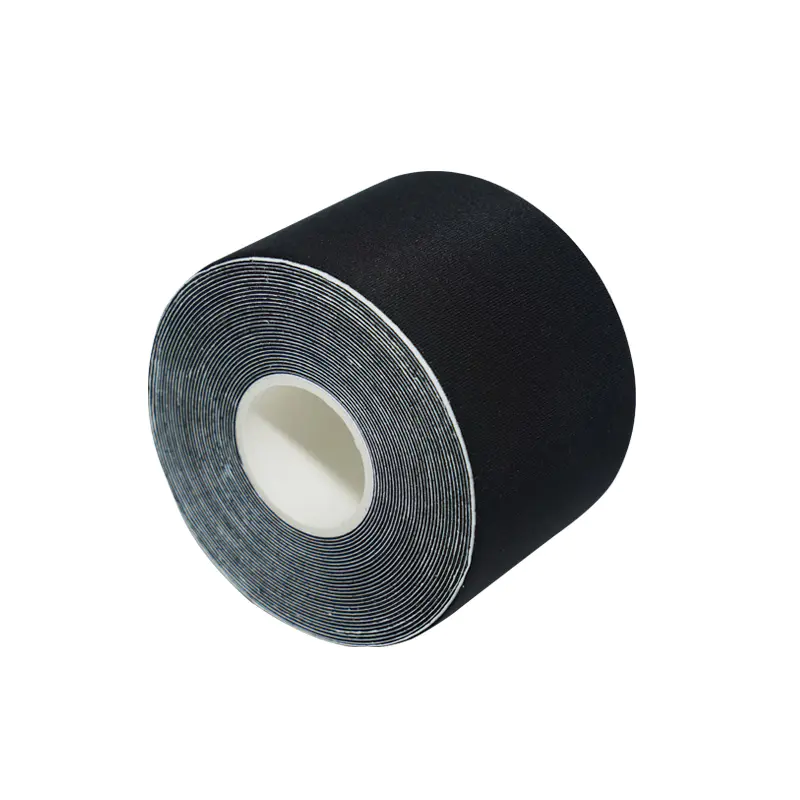
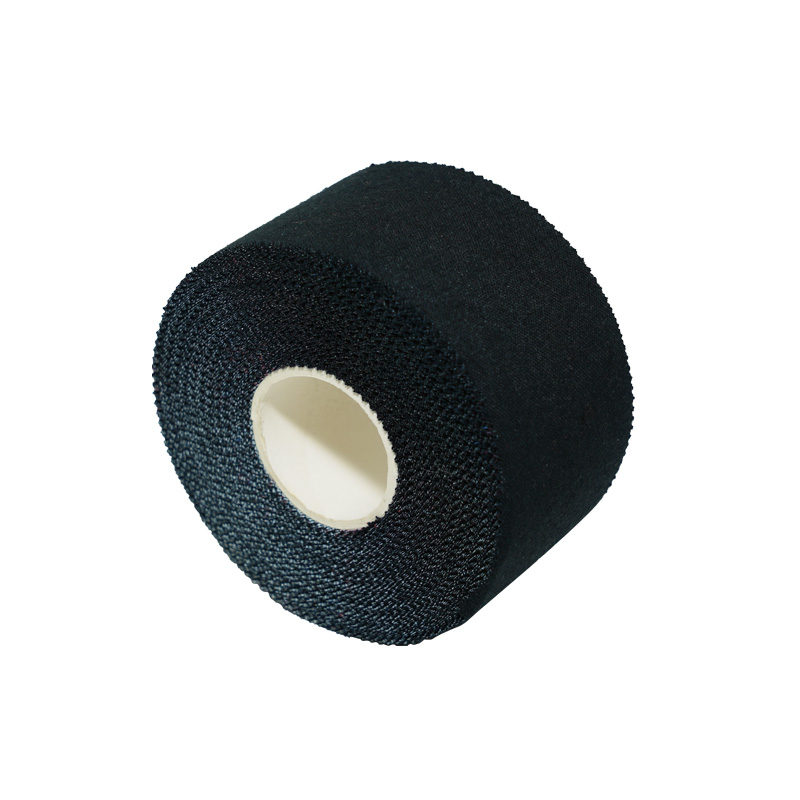 Black Cotton Elastic Athletic Support TapeThis flexible black cotton tape conforms to joints and muscles, offering support and protection for ankles, wrists, and shoulders during sports.View Product →
If you are a wholesaler, an Amazon seller, or an independent brand owner, the manufacturer's capability matters as much as the product quality. Cotton athletic tape is a consumable, which means replenishment, consistency, and packaging flexibility are the main commercial concerns.
A reliable supplier should be able to produce different widths, lengths, and colours from the same production line, and should offer private-label packaging. For example, a manufacturer with two coating lines can run two different adhesive products simultaneously, and a monthly capacity of 300,000 rolls for standard bandages makes it easier to meet fluctuating demand.
When evaluating a cotton athletic tape factory, ask about:
The right production partner also understands the retail side. Packaging options such as PP boxes, PE boxes, PVC boxes, and custom printed labels can make your product shelf-ready. If your market needs a breathable variant, a white cotton regular hole tape is a useful addition to the lineup. These kinds of details separate a generic tape supplier from a long-term manufacturing partner.
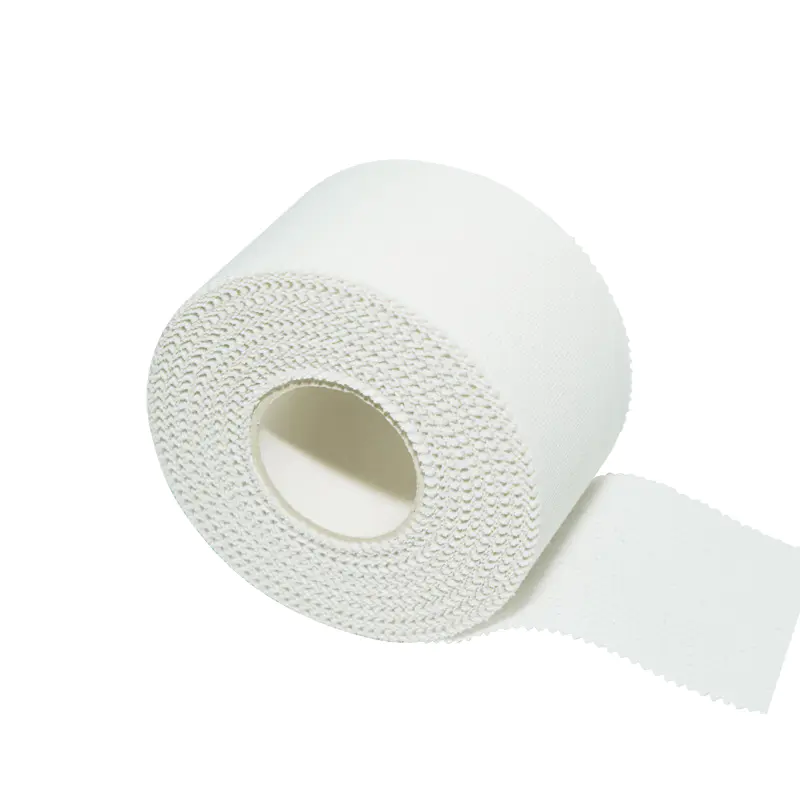
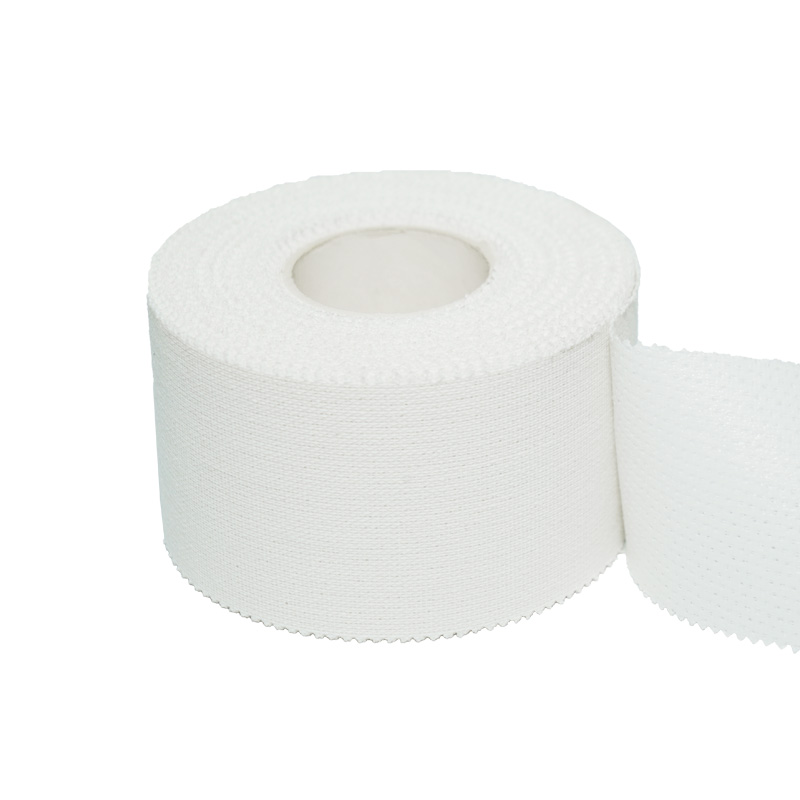 Strong Adhesive White Cotton Regular Hole TapeBreathable white cotton tape with regular holes ensures strong adhesion while allowing skin to breathe, ideal for securing dressings and supporting muscles.View Product →
Cotton athletic tape works because it is simple, breathable, and rigid. It provides the support athletes rely on, and it gives physiotherapists a tool they can trust. The practical route to a good tape starts with the weave and adhesive, moves through correct application, and ends with a sourcing partner that can deliver consistent quality in the colours, widths, and packaging your market demands.
 NO.89 Duanshu Road, Xinggong Road, Pinghu City, Zhejiang Province, China
 [email protected]
 +86-(0)573-8507 6991
Copyright © hero-medical.com. All Rights Reserved
 Wholesale Sport Tape Manufacturers
China Sport Tape Suppliers
Wholesale Sport Tape Manufacturers
China Sport Tape Suppliers
The information provided on this website is intended for use only in countries and jurisdictions outside of the People's Republic of China.
 English
 Espana
 Français
 Deutsch