

Content
Sport tape for pain has become one of the most widely used tools in both professional athletics and everyday injury management. Walk into any gym, sports clinic, or physiotherapy office and you'll see it on knees, shoulders, ankles, wrists, and lower backs. But sport tape isn't just for elite athletes — millions of people use athletic taping techniques to manage chronic pain, recover from injuries, and stay active without relying solely on medication or rest.
The appeal is straightforward: sport tape is affordable, non-invasive, wearable throughout the day, and can provide meaningful pain relief and joint support without the side effects of anti-inflammatory drugs. Whether you're dealing with runner's knee, a strained shoulder, plantar fasciitis, or general muscle soreness, there is a specific type of sport tape and a taping method designed to address it. Understanding the differences between tape types and how they interact with your body is the key to using them effectively.
The pain-relieving effect of sport tape operates through several distinct physiological mechanisms, and different tape types leverage different ones. Understanding how each method works helps you choose the right tape for the right situation.
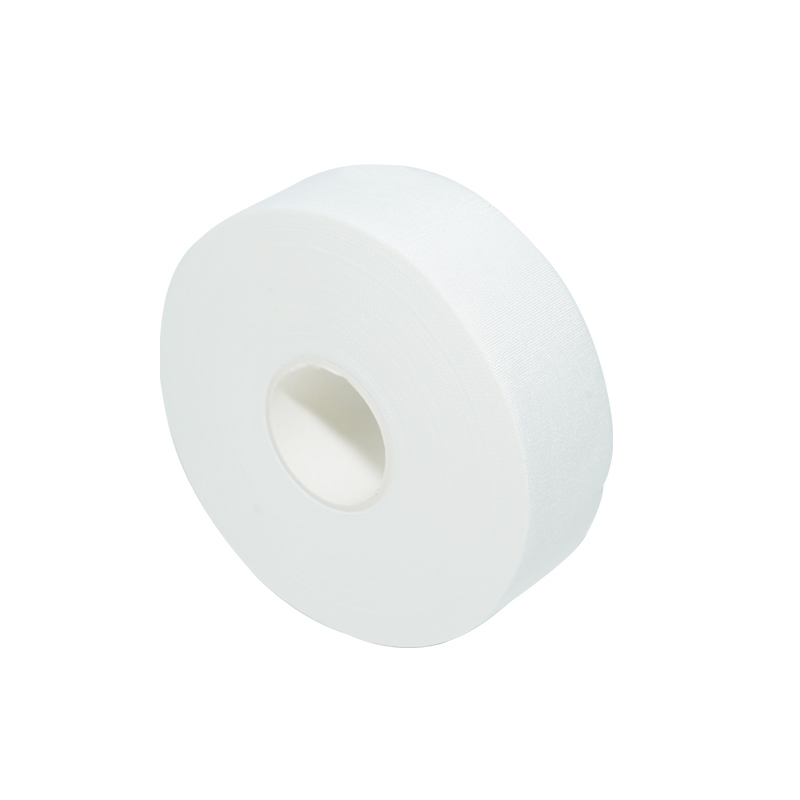
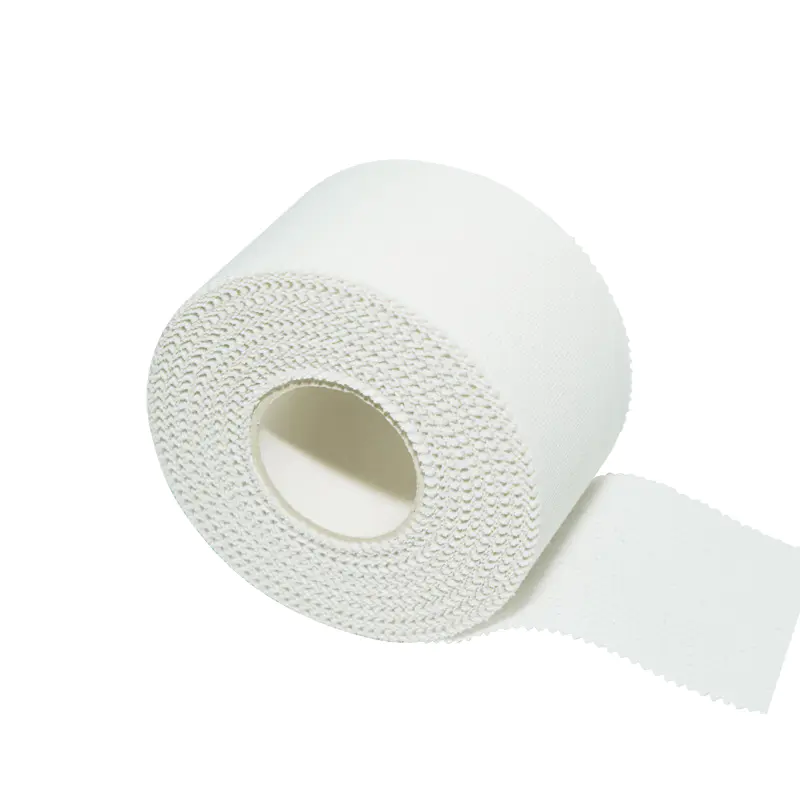
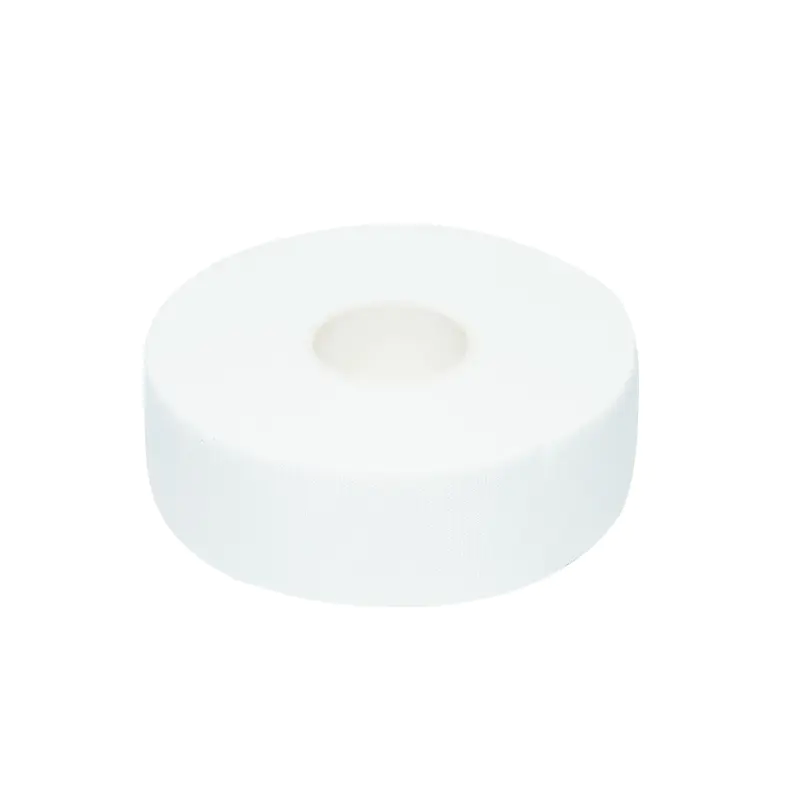
Rigid athletic tape — the white, non-stretch variety — works primarily by physically restricting movement in an injured joint. By limiting the range of motion at a painful ankle or wrist, the tape reduces the mechanical load on damaged ligaments, tendons, and cartilage. Less mechanical stress means less pain signal sent to the brain, especially during movement. This is the principle behind traditional ankle taping in sports like basketball and football, where preventing re-injury is just as important as immediate pain control.
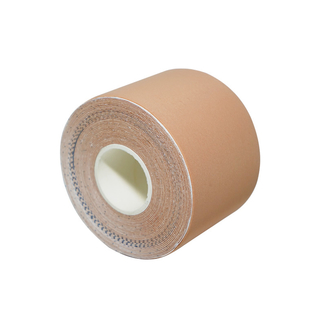
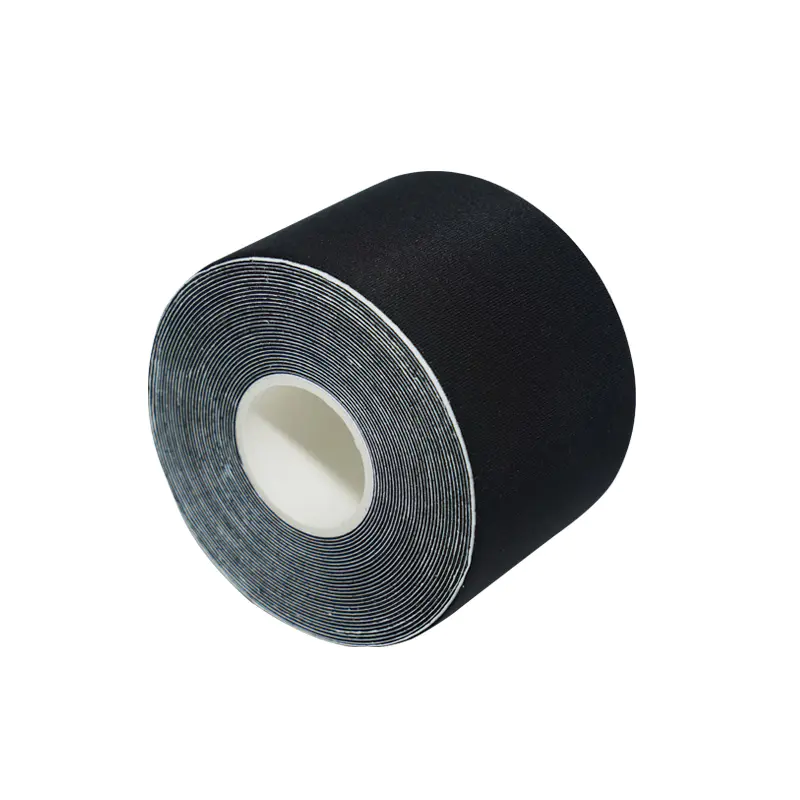
Kinesiology tape — the stretchy, colorful variety — works differently. When applied with tension over a sore area, it gently lifts the skin away from the underlying tissue. This lifting effect is believed to decompress the space between the skin and the fascia, reducing pressure on pain receptors (nociceptors) and improving local circulation and lymphatic drainage. Many users report an immediate softening of acute pain in the minutes after kinesiology tape is applied, particularly for bruised muscles, swollen joints, and overworked tendons.
One of the most underappreciated mechanisms of sport tape for pain is its effect on proprioception — the body's sense of where its joints are in space. When tape is applied over a joint, the constant tactile pressure sends enhanced sensory signals to the brain about joint position and movement. This heightened awareness allows the surrounding muscles to activate more efficiently and protectively, reducing the chance of painful over-extension or compensation movement patterns that often cause secondary pain in adjacent areas.
Not all sport tapes are the same, and choosing the wrong type can actually reduce effectiveness or cause discomfort. Here is a clear breakdown of the main categories:
| Tape Type | Stretch Level | Primary Pain Use | Wear Duration |
| Rigid Athletic Tape (White Tape) | None | Acute ligament sprains, joint stabilization | During activity only |
| Kinesiology Tape (Kinesio Tape) | High (130–140%) | Muscle pain, swelling, chronic overuse injuries | 3–5 days continuously |
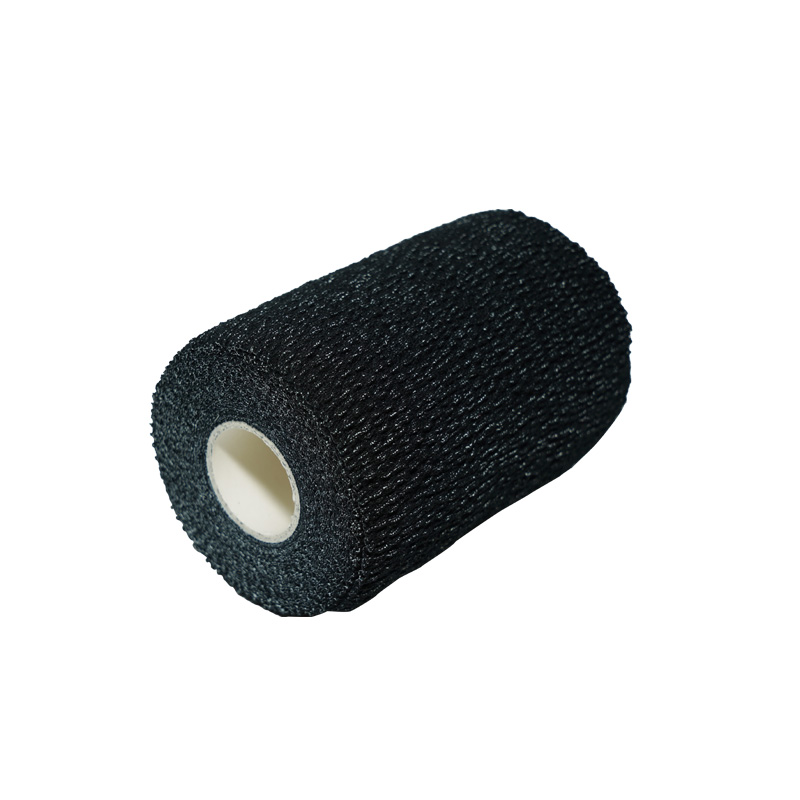
| Cohesive / Self-Adhesive Tape (Coban) | Moderate | Compression for swelling and mild sprains | Hours to 1 day |
| Pre-Wrap / Foam Underwrap | Low | Skin protection under rigid tape | With rigid tape |
| Elastic Adhesive Bandage (EAB) | Moderate–High | Muscle support, moderate compression | During activity |
For most people managing everyday sports pain or recovering from a mild-to-moderate injury, kinesiology tape is the most versatile starting point because it can stay on through showers, sweating, and sleep without irritating the skin, while offering both pain relief and light support simultaneously.
Athletic tape for pain is not a one-size-fits-all solution, but it has a well-established track record across a specific range of conditions. Below are the most common pain problems that respond well to proper sport taping:
Patellofemoral pain syndrome, commonly known as runner's knee, is one of the most frequent reasons people reach for sport tape. A McConnell taping technique using rigid tape repositions the kneecap (patella) to reduce friction in the joint, providing immediate pain relief during activities like running, cycling, and stair climbing. Kinesiology tape applied in a fan pattern around the quadriceps and patellar tendon can additionally reduce inflammation and improve VMO (vastus medialis oblique) muscle activation for long-term relief.
Ankle taping is one of the oldest and most evidence-backed applications of sport tape for pain. After a lateral ankle sprain, rigid white tape applied in a basket-weave or stirrup configuration limits inversion (rolling inward) and provides critical mechanical protection during the acute phase. Studies consistently show that properly applied ankle sport tape reduces pain during weight-bearing activity and decreases re-injury rates by up to 50% compared to untaped ankles during the first six weeks of recovery.
Shoulder impingement and rotator cuff tendinopathy cause significant pain during overhead movements. Kinesiology tape applied across the deltoid and along the posterior rotator cuff can offload the inflamed tendon and improve scapular positioning. Many physiotherapists use a Y-strip kinesio tape application to encourage the shoulder blade to sit in a healthier position, reducing the pinching sensation that causes pain with arm elevation.
The plantar fascia — the thick band of tissue running along the sole of the foot — becomes acutely painful when inflamed, particularly during the first steps in the morning. Sport tape applied in a low-dye or heel-lock taping pattern supports the arch of the foot and reduces the stretch placed on the fascia during walking and running. Many people with plantar fasciitis find that taping before morning activity dramatically reduces the stabbing pain that usually accompanies first contact with the floor.
Kinesiology tape applied along the lumbar erector spinae muscles can reduce lower back pain associated with muscle fatigue, minor strains, and postural overload. The proprioceptive feedback from the tape encourages more neutral spine positioning throughout the day and may remind the wearer to avoid harmful bending postures. While sport tape for lower back pain is not a substitute for core strengthening exercises, it provides meaningful short-term relief and functional support during the recovery period.
Repetitive strain injuries of the wrist and thumb are common in racket sports, climbing, gymnastics, and even desk work. Thumb spica taping with rigid athletic tape limits painful thumb abduction and extension movements. For De Quervain's tenosynovitis — a painful condition affecting the tendons on the thumb side of the wrist — kinesiology tape applied along the first dorsal compartment can reduce pain with gripping and pinching activities significantly.
Even the best sport tape will underperform if applied incorrectly. These key principles apply whether you're using rigid athletic tape or kinesiology tape:
The choice between kinesiology tape and rigid athletic tape for pain relief comes down to the nature of your injury, the activity you need to support, and how long you need to wear the tape. Here's a practical comparison to guide your decision:
Many sports physiotherapists and athletic trainers use both types strategically depending on the phase of injury: rigid tape in the first 48–72 hours after an acute injury for maximum protection, transitioning to kinesiology tape as swelling subsides and range of motion is restored.
Even experienced users make taping errors that limit pain relief and can occasionally cause additional problems. Avoid these common pitfalls:
The quality and characteristics of sport tape vary considerably between brands and product lines. When purchasing athletic tape specifically for pain management, pay attention to these features:
Sport tape for pain is a powerful tool within its scope, but it has real limitations. Recognizing when taping is insufficient — and when professional assessment is necessary — is just as important as knowing how to apply it correctly.
You should seek medical or physiotherapy assessment rather than relying solely on sport tape if: the pain is severe and does not improve with rest; there is significant swelling, bruising, or joint deformity immediately after an injury; you experience numbness, weakness, or loss of function in the limb; or the pain persists for more than two weeks despite appropriate taping and rest. These may indicate fractures, complete ligament ruptures, nerve injuries, or other conditions requiring imaging and specialist care that sport tape alone cannot address.
Used appropriately, athletic tape for pain management is a genuinely useful, evidence-supported intervention that bridges the gap between injury and return to activity. The key is understanding which tape to use, how to apply it correctly, and how to combine it with appropriate rest, strengthening, and professional guidance for the best long-term outcome.
 NO.89 Duanshu Road, Xinggong Road, Pinghu City, Zhejiang Province, China
 [email protected]
 +86-(0)573-8507 6991
Copyright © hero-medical.com. All Rights Reserved
 Wholesale Sport Tape Manufacturers
China Sport Tape Suppliers
Wholesale Sport Tape Manufacturers
China Sport Tape Suppliers
The information provided on this website is intended for use only in countries and jurisdictions outside of the People's Republic of China.
 English
 Espana
 Français
 Deutsch