

Content
Athletic tape is a specialized adhesive tape designed to support muscles, joints, and soft tissues during physical activity. Whether you've seen football players with white-wrapped ankles or runners sporting colorful strips along their calves, that's athletic tape in action. It's one of the most widely used tools in sports medicine — and for good reason. Properly applied sports tape can reduce injury risk, stabilize weakened joints, limit harmful movement patterns, and even help athletes return to play faster after an injury.
Athletic taping isn't just for elite athletes, either. Weekend warriors, gym-goers, hikers, and even office workers dealing with repetitive strain injuries can benefit from the right tape applied correctly. The key is understanding which type of tape suits your needs and how to apply it properly to get the most out of it.
Not all sports tape is the same. Each type is engineered with a different purpose, and using the wrong one can reduce effectiveness or even lead to skin irritation. Here's a breakdown of the most common types you'll encounter:
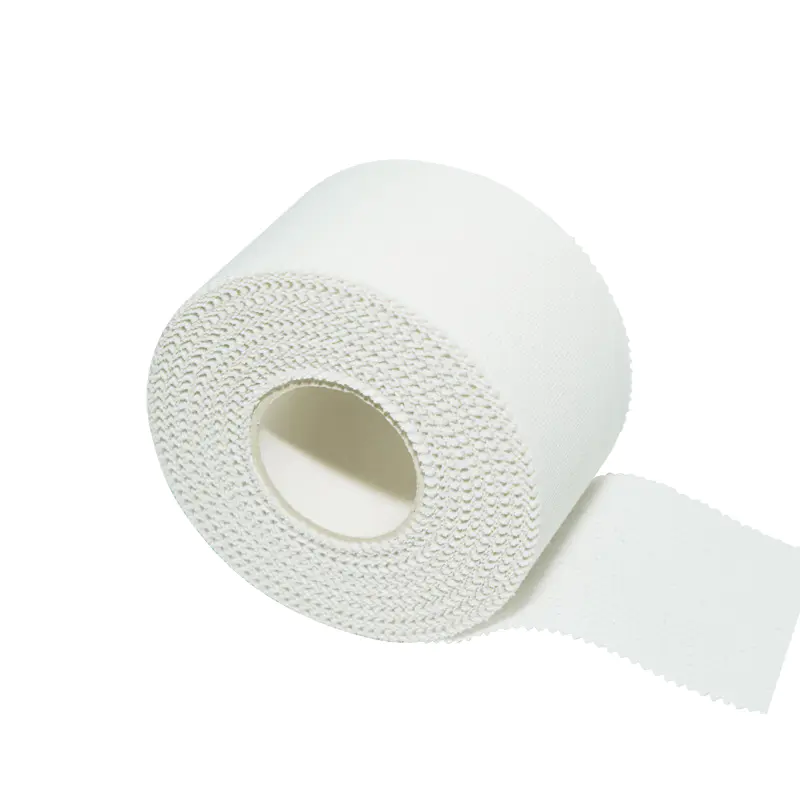
This is the classic, non-stretch tape you've likely seen wrapped around ankles and wrists. Rigid strapping tape is made from cotton with a strong zinc oxide adhesive. It provides firm, inelastic support by restricting movement in a specific direction. It's most commonly used for ankle sprains, wrist stability, and thumb injuries. Because it doesn't give at all, it's best applied by a trained athletic trainer or physiotherapist who can position joints correctly before taping.
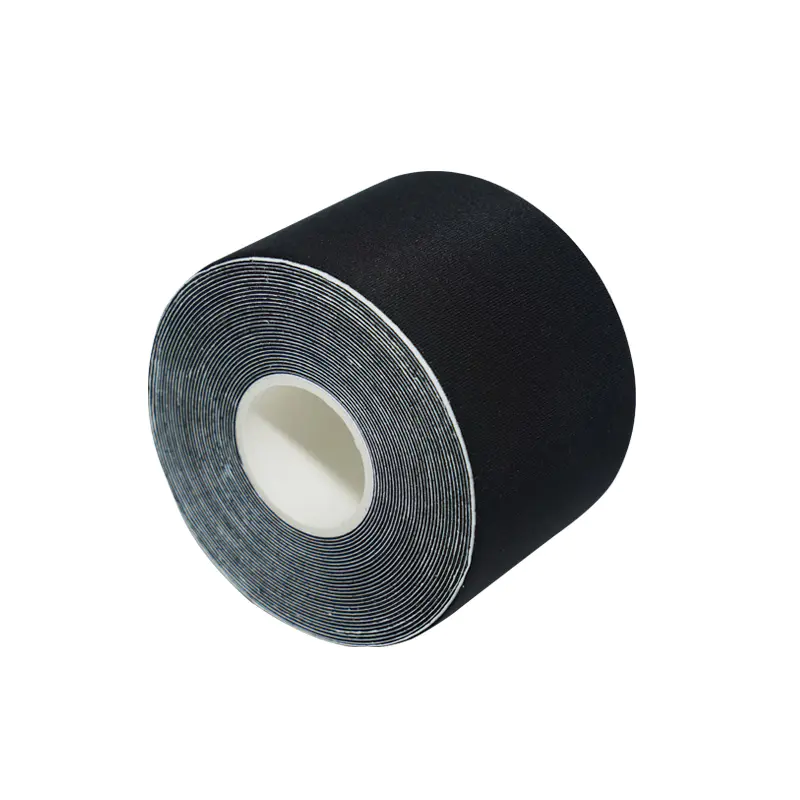
Kinesiology tape is the colorful, stretchy tape you see on professional athletes — the bright blue, pink, or black strips along limbs. Unlike rigid tape, kinesio tape is elastic and mimics the properties of human skin. It was developed in the 1970s by Dr. Kenzo Kase to support muscles without restricting movement. It works by lifting the skin slightly, which is believed to improve circulation, reduce pain signals, and support the fascia and muscles beneath. Kinesiology tape is widely used for IT band syndrome, rotator cuff issues, shin splints, and lower back pain.
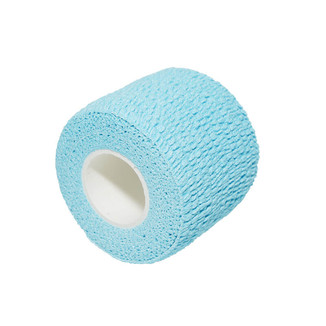
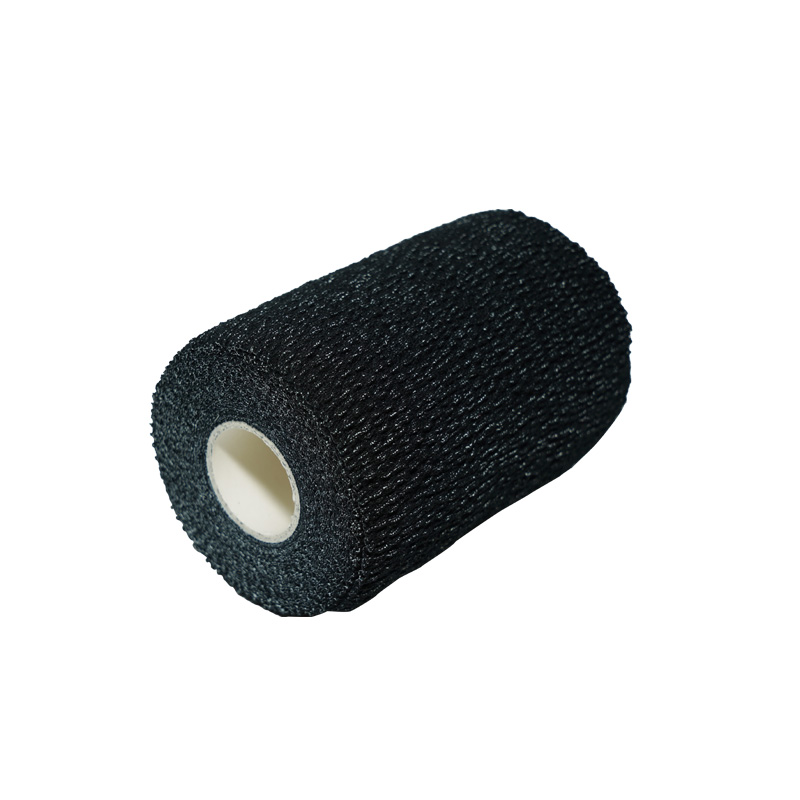
Often called "coban" or "self-adhesive athletic wrap," cohesive bandage tape sticks to itself rather than your skin. This makes it ideal for athletes with sensitive skin, for use over a pre-wrap base layer, or for securing pads and dressings. It's commonly used in contact sports like rugby, boxing, and martial arts. It's slightly stretchy and comes in a variety of colors and widths.
Pre-wrap isn't a support tape itself — it's a thin foam layer applied to the skin before rigid or cohesive tape to protect against skin irritation and to make tape removal less painful. It's a staple in any athletic trainer's kit and is especially important for athletes with sensitive or freshly shaved skin.
Elastic athletic tape blends features of both rigid and kinesiology tape. It has some give but also provides moderate structural support. It's often used during rehabilitation when an athlete is transitioning from strict immobilization back to full activity. It's more forgiving than rigid tape while still limiting extreme range of motion.
Here's a quick reference table to help you choose the right sports tape for your situation:
| Tape Type | Stretch Level | Primary Use | Skill Level Needed | Wear Duration |
| Rigid Strapping Tape | None | Joint immobilization | Intermediate–Advanced | During activity only |
| Kinesiology Tape | High (up to 140%) | Muscle support, pain relief | Beginner–Intermediate | 3–5 days |
| Cohesive Bandage | Moderate | Contact sports, sensitive skin | Beginner | During activity only |
| Pre-Wrap | Low | Skin protection under tape | Beginner | Under other tape |
| Elastic Athletic Tape | Low–Moderate | Rehab, partial support | Intermediate | During activity only |
Sports taping techniques are applied across a wide range of injuries and body parts. Here are the most frequent applications athletes and trainers rely on:
Kinesiology tape is the most beginner-friendly type of athletic tape and is widely available at pharmacies and sports stores. Here's a general guide to applying it correctly:
Clean and dry the area thoroughly. Remove any body hair if possible — tape adheres much better to smooth skin. Avoid applying lotion or oils before taping, as this dramatically reduces adhesion. If your skin is very sensitive, apply a skin preparation spray or thin layer of pre-wrap first.
Cut the tape to the required length and round off the corners with scissors. Rounded corners significantly reduce the chance of the tape peeling up at the edges, which is one of the most common complaints with kinesiology tape. The "I-strip," "Y-strip," and "fan cut" are the three most common shapes used for different applications.
Place the target area in the stretched or lengthened position before applying. For example, when taping the calf for Achilles support, dorsiflex the foot (pull toes upward) before applying the tape. This ensures the tape provides a gentle lift when you return to a neutral position.
Peel back about 2 inches of the paper backing to create an anchor point and apply this section with zero stretch. Then apply the body of the tape with light to moderate tension (typically 25–50% stretch) depending on the goal. Finish with a zero-tension anchor at the other end. Never apply the tape on full stretch — this can cause skin blistering or bruising.
Rub the tape briskly with your hand for 10–15 seconds after application. The heat from friction activates the acrylic adhesive and improves bonding to the skin. Wait at least 30–60 minutes before exercising or getting the tape wet to give the adhesive time to fully set.
Even the best sports tape can cause problems if used incorrectly. Here are practical tips to get the most out of your taping routine while keeping your skin healthy:
The effectiveness of athletic tape — particularly kinesiology tape — has been the subject of significant research over the past two decades. The short answer: it depends on what you're using it for.
For ankle stability, rigid athletic tape has strong scientific support. Multiple studies show that properly applied strapping tape reduces the rate of ankle re-sprain in athletes with a history of ankle instability. The mechanical restriction it provides is a genuine biomechanical benefit.
For kinesiology tape, the evidence is more mixed. Research suggests it can provide modest short-term pain relief and may improve proprioception (your body's sense of position), but the magnitude of benefit compared to a placebo tape is often small. A 2012 systematic review published in the British Journal of Sports Medicine found that while kinesio tape showed some benefits for pain relief, the clinical significance was questionable. That said, many clinicians and athletes report strong subjective benefits, and the low risk of harm makes it a reasonable tool in a broader recovery plan.
The most honest conclusion is that athletic tape works best as one part of a comprehensive approach to injury management — not as a standalone treatment. Combined with targeted exercise, load management, and professional guidance, the right tape applied correctly can make a real difference.
With so many options on the market, choosing the right sports tape can feel overwhelming. Use these guiding questions to narrow it down:
While self-taping is convenient and practical for minor issues, there are situations where professional assessment and taping is the safer choice. You should consult a physiotherapist, athletic trainer, or sports medicine doctor if:
Athletic tape is a powerful and versatile tool — but it works best when used with knowledge and intention. Whether you're reaching for white strapping tape for an old ankle weakness or experimenting with colorful kinesiology tape for post-run knee soreness, understanding the how and why behind athletic taping will help you use it smarter, stay healthier, and perform better.
 NO.89 Duanshu Road, Xinggong Road, Pinghu City, Zhejiang Province, China
 [email protected]
 +86-(0)573-8507 6991
Copyright © hero-medical.com. All Rights Reserved
 Wholesale Sport Tape Manufacturers
China Sport Tape Suppliers
Wholesale Sport Tape Manufacturers
China Sport Tape Suppliers
The information provided on this website is intended for use only in countries and jurisdictions outside of the People's Republic of China.
 English
 Espana
 Français
 Deutsch