

Content
Hockey tape is one of the most essential pieces of equipment in any player's bag — yet it's often overlooked until you're scrambling for a roll in the locker room five minutes before puck drop. At its core, hockey tape is a pressure-sensitive adhesive tape designed to be wrapped around a hockey stick's blade or shaft, around socks, shin pads, or even skate boots. It improves puck control, protects equipment, and helps keep gear in place during intense play. Whether you're lacing up for a competitive league game or a backyard skate, knowing how to choose and use the right tape can genuinely make a difference in your game.
Unlike regular athletic tape or duct tape, hockey-specific tape is made to handle ice conditions — meaning it resists moisture, stays grippy even when wet, and holds up to the repeated impact of puck strikes and stick-to-stick contact. It comes in a wide variety of colors, widths, and materials, each designed for a specific purpose on the ice.
Not all hockey tape is created equal. Choosing the wrong type for the job can mean poor puck feel, slipping shin pads, or a blade that wears out faster than it should. Here's a breakdown of the most common varieties:
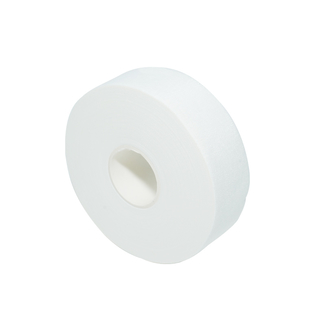
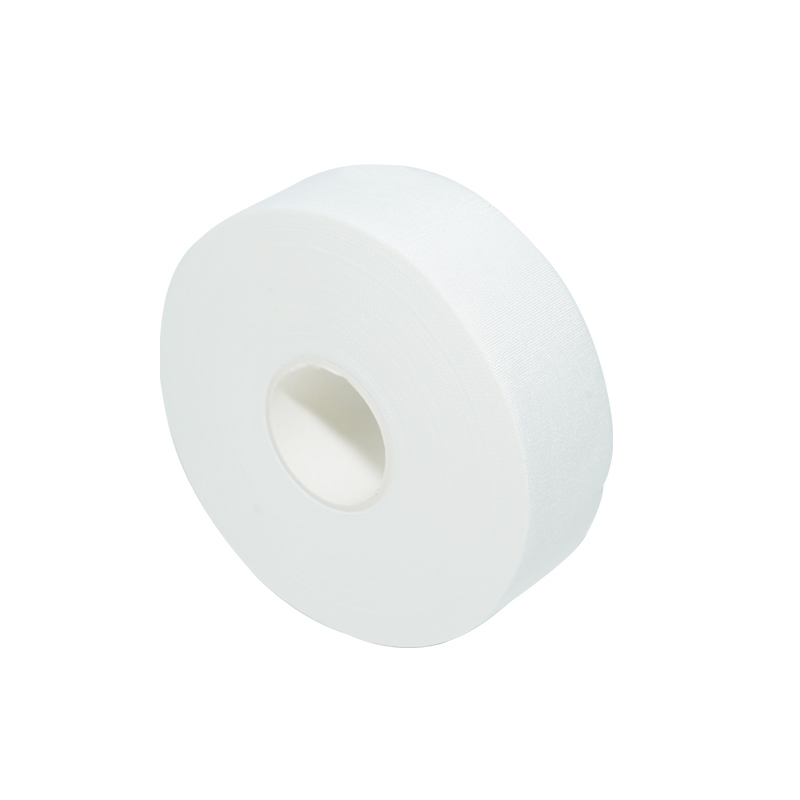
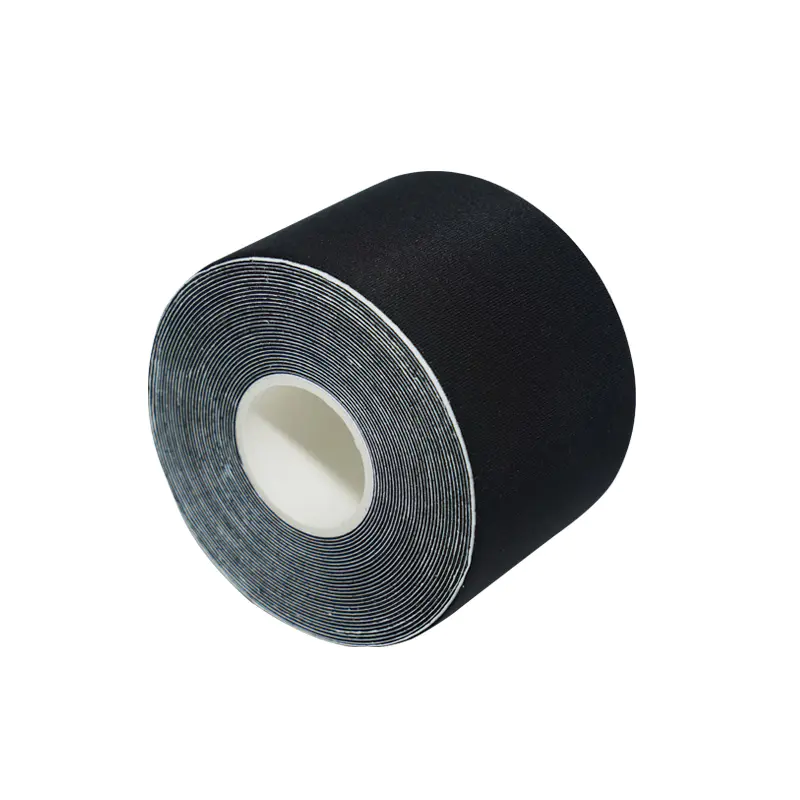
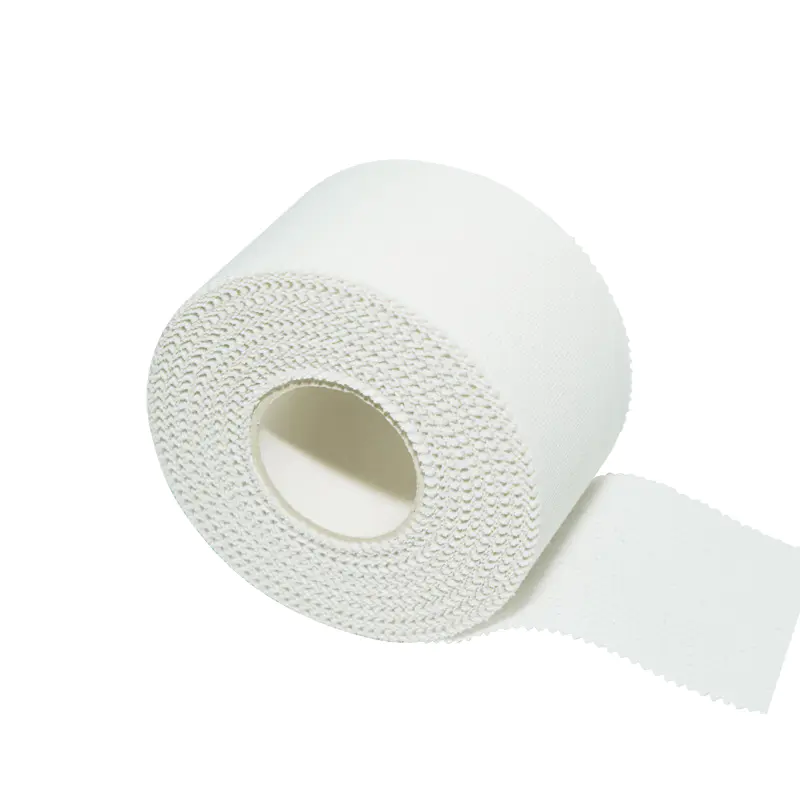
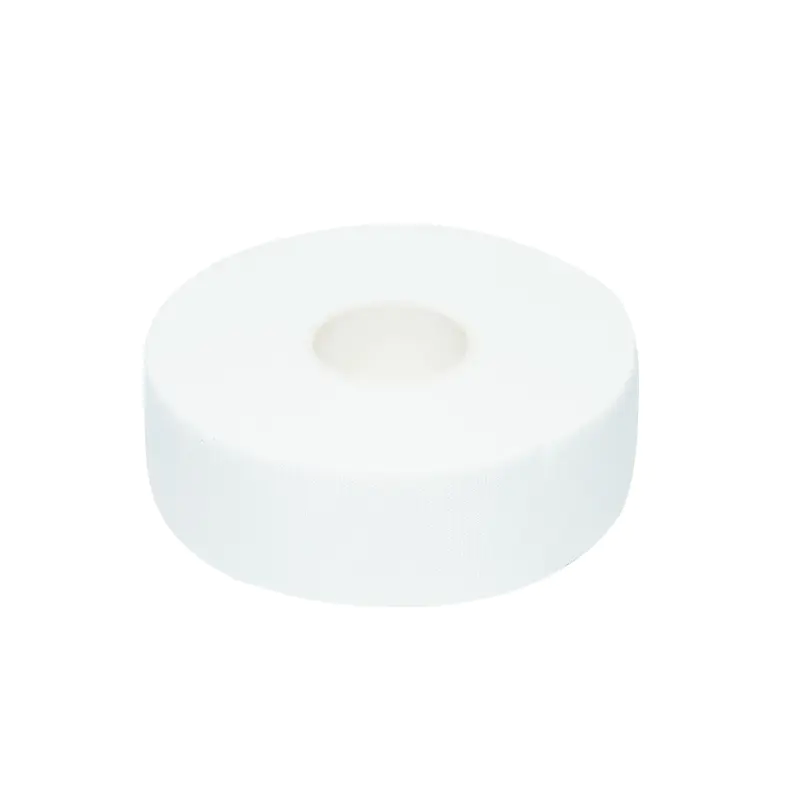
This is the gold standard for taping a stick blade. Cloth tape — also called cotton tape — offers excellent grip, absorbs moisture reasonably well, and gives you that solid, textured feel when handling the puck. It's typically 1.5 inches wide and comes in black, white, and dozens of other colors. Black cloth tape is particularly popular because it makes puck-reading harder for goalies, while white tape allows you to see the puck better during stickhandling drills. Most serious players keep both colors in their bag.
Shin pad tape — sometimes called sock tape or clear hockey tape — is a thinner, stretchier tape used to hold shin guards in place under hockey socks. It wraps around the outside of the sock, keeping everything snug and preventing shin pads from sliding or rotating during play. Clear versions are popular because they don't show under the sock, while team-colored versions are often used for a polished, uniform look. This tape is usually not adhesive on both sides, just pressure-sensitive on one, and is safe to apply directly over fabric.
While many players wrap the butt end of their stick with cloth tape, friction tape is a separate product with a rough, almost sandpaper-like texture applied to the shaft. It dramatically increases grip, which is useful for players who prefer a bare-handed feel or sweat through their gloves. It's thicker than cloth tape and adds noticeable bulk, so it's usually reserved for just the top hand area or the butt knob.
A newer product on the market, pre-cut blade tape is shaped to match a standard blade profile so you can apply it in one piece without cutting or overlapping. It saves time and reduces waste, making it a great option for players who go through tape quickly or want a clean, smooth finish without the learning curve of traditional taping. Some brands even offer interchangeable designs with unique textures or colors.
Taping a blade properly takes a little practice but becomes second nature quickly. The way you tape it affects puck feel, shot accuracy, and how long the tape job lasts. Here's the standard technique most players use:
The direction of the tape spiral (heel-to-toe vs. toe-to-heel) is mostly personal preference. Some players insist one direction gives a better puck feel on the backhand; experiment and stick with what works for you.
The butt end — or knob — of your stick is where your top hand rests, and taping it correctly affects your control, comfort, and how securely you hold the stick during physical play. Here are the most popular methods:
Most players build a small mushroom-shaped knob at the very top of the stick. To do this, hold the tape in place at the top and spin the stick while layering tape back on itself until you have a solid knob of about 1–1.5 inches. The knob prevents the stick from slipping out of your glove during pokes or scrambles.
After building the knob, many players wrap several inches of the shaft below it in cloth or friction tape for extra grip. This section is typically 4–8 inches long, depending on hand size and personal preference. Some players cover the entire upper shaft all the way down to mid-stick — particularly defensemen who frequently take one-handed pokes.
Shin pad tape serves a completely different purpose than stick tape, but it's equally important. Shin guards that shift mid-game are not just annoying — they can leave you exposed to injury. Here's how to secure them properly:
Some players also use stretch velcro straps instead of tape at home to save money, but professional and competitive players almost universally use tape for the more secure hold it provides.
The market for hockey stick tape and shin tape has grown significantly over the past decade. Here's a quick comparison of some of the most widely used brands so you can make an informed decision:
| Brand | Best For | Key Feature | Price Range |
| Renfrew | Blade taping | Wide color selection, strong adhesive | $2–$4 per roll |
| Howies | Blade & shaft taping | Premium cloth feel, comes with wax | $4–$7 per roll |
| Jaybird & Mais | Shin pad & sock tape | Stretchy, skin-safe, no residue | $3–$5 per roll |
| Tacki-Mac | Grip tape (shaft) | Textured rubber grip, long-lasting | $5–$9 per roll |
| Lizard Skins | Shaft wrap / grip | Durable polymer, ergonomic feel | $10–$15 per roll |
There's no universal rule, but most experienced players re-tape their blade after every 1–3 skates, depending on how aggressively they play and how quickly the tape wears down. Signs that it's time for a fresh tape job include:
For the shaft and butt end, re-taping is less frequent — many players go an entire season on the same butt knob unless the tape starts to unravel. The shin pad tape should be replaced whenever it loses elasticity or no longer holds the sock securely in place.
Beyond the basics, there are a handful of techniques and habits that separate players who get the most out of their tape from those constantly fighting fraying edges and loose shin pads:
If you're playing street hockey or roller hockey, the demands on your tape are different. Asphalt and concrete surfaces are far more abrasive than ice, so blade tape wears down many times faster. A few key differences to keep in mind:
Most street hockey players use multiple layers of cloth tape on the blade — three to four layers instead of one or two — just to get through a single game. Some players also apply a strip of electrical tape or hockey stretch tape over the cloth to create a tougher, more durable outer shell. Grip tape for the shaft remains the same, though players often prefer more of it since they're on foot rather than skates and may take more powerful swings.
There are also blade covers and tape alternatives specifically designed for street play, like plastic blade guards with tape-like textures, which can outlast multiple regular tape jobs. These are worth considering if you play street hockey frequently and want to save money over time.
Hockey tape might seem like a minor detail compared to choosing the right stick, skates, or protective gear — but it directly affects how you feel and perform every single time you touch the puck. A well-taped blade gives you that satisfying, solid puck-to-blade feel that loose or worn tape simply can't replicate. Properly secured shin pads keep you comfortable and protected through every shift. And a solid butt knob means one less thing to think about when you're in the thick of play.
Take the time to learn your preferred technique, invest in quality tape from a reputable brand, and build the habit of refreshing your tape job regularly. It's one of the easiest and most affordable upgrades you can make to your game.
 NO.89 Duanshu Road, Xinggong Road, Pinghu City, Zhejiang Province, China
 [email protected]
 +86-(0)573-8507 6991
Copyright © hero-medical.com. All Rights Reserved
 Wholesale Sport Tape Manufacturers
China Sport Tape Suppliers
Wholesale Sport Tape Manufacturers
China Sport Tape Suppliers
The information provided on this website is intended for use only in countries and jurisdictions outside of the People's Republic of China.
 English
 Espana
 Français
 Deutsch