

Content
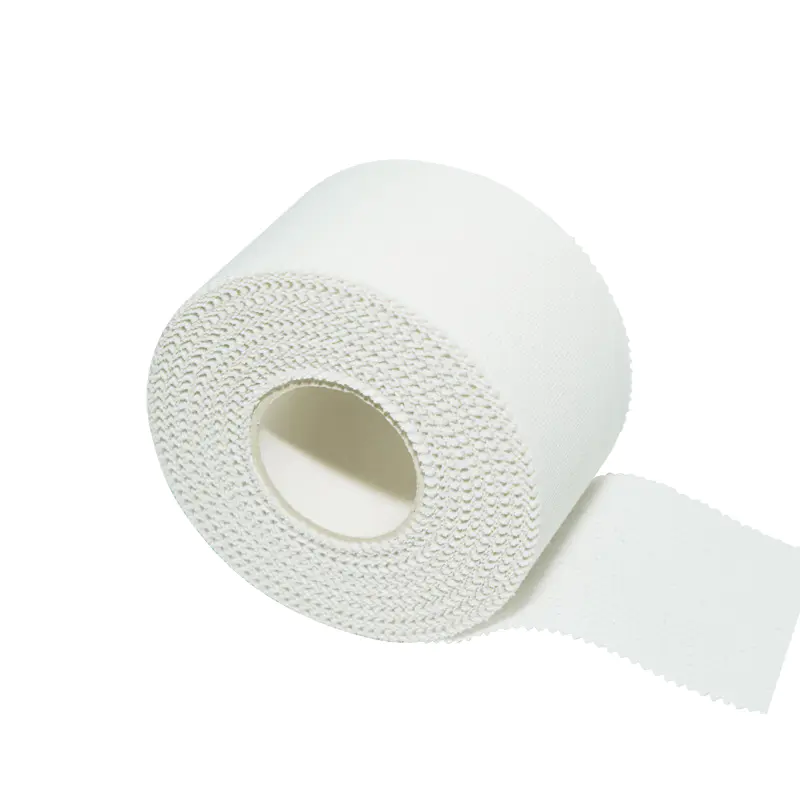
Fixation tapes are adhesive tapes specifically designed to hold medical devices, dressings, tubes, or catheters securely in place on the skin. Unlike regular tape, fixation tapes are made to be gentle on the skin while still providing a strong enough hold to keep everything from shifting during daily movement. They're used constantly in hospitals, clinics, and home care settings, which means the quality of the tape can directly affect patient comfort and safety.
Whether it's securing an IV line, holding a wound dressing in place, or stabilizing a feeding tube, fixation tapes need to strike a careful balance: strong enough to stay put through movement and sweat, but gentle enough that removing it doesn't tear fragile skin. This balance is what separates a good fixation tape from a frustrating one.
Not every fixation tape is built the same, and picking the wrong type can lead to skin irritation or devices coming loose at the worst possible time. Here's a breakdown of the main categories.
Non-woven fixation tapes are made from soft, breathable fabric-like material that conforms well to the body's contours. They're a popular choice for general dressing retention because they allow air and moisture vapor to pass through, which reduces the risk of skin maceration during longer wear times.
Transparent film fixation tapes are thin, clear, and waterproof, making them ideal for situations where you need to monitor the skin or insertion site without removing the tape. These are commonly used for IV sites and central lines since caregivers can visually check for redness or swelling at a glance.
Silicone-based fixation tapes use a gentler adhesive that's specifically designed for fragile or sensitive skin, such as in elderly patients, neonates, or anyone requiring frequent dressing changes. The silicone adhesive bonds well to skin but releases cleanly, minimizing the pain and trauma often associated with tape removal.
Fixation tapes show up in far more situations than most people realize. Some of the most common applications include:
In each of these cases, the right fixation tape can mean the difference between a device staying securely in place for days versus needing constant readjustment.
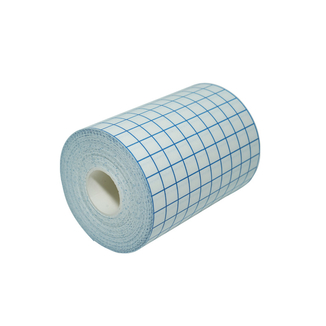
Choosing a fixation tape isn't just about grabbing whatever is on the shelf. Skin condition, wear time, and the specific device being secured all play a role. The table below breaks down some common scenarios and suggested tape types.
| Situation | Recommended Fixation Tape | Why It Fits |
| Fragile or elderly skin | Silicone-based tape | Gentle adhesion, painless removal |
| IV or central line sites | Transparent film tape | Allows visual monitoring, waterproof |
| General dressing retention | Non-woven tape | Breathable, flexible, cost-effective |
| High-movement areas (joints) | Elastic fixation tape | Stretches with movement, stays secure |
How a fixation tape is applied and removed matters just as much as which type you choose. A few simple habits can prevent skin damage and make the tape last longer.
One of the most frequent complaints with fixation tapes is skin irritation, which often happens when a strong adhesive tape is used on skin that's already fragile or compromised. Switching to a silicone-based or hypoallergenic option usually solves this without sacrificing hold.
Another common issue is premature lifting, especially in areas with sweat, moisture, or frequent movement like elbows and wrists. Using a more breathable, flexible fixation tape and making sure the skin is completely dry before application can significantly extend how long the tape stays in place. Taking these small precautions helps avoid unnecessary tape changes and keeps both patients and caregivers from dealing with repeated frustration.
 NO.89 Duanshu Road, Xinggong Road, Pinghu City, Zhejiang Province, China
 [email protected]
 +86-(0)573-8507 6991
Copyright © hero-medical.com. All Rights Reserved
 Wholesale Sport Tape Manufacturers
China Sport Tape Suppliers
Wholesale Sport Tape Manufacturers
China Sport Tape Suppliers
The information provided on this website is intended for use only in countries and jurisdictions outside of the People's Republic of China.
 English
 Espana
 Français
 Deutsch