

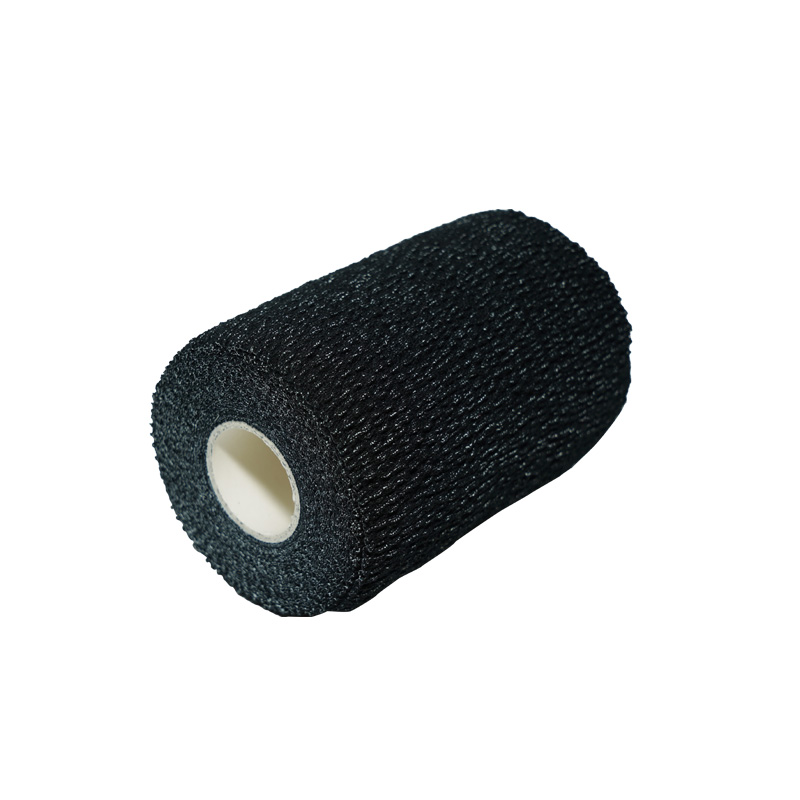
Walk into almost any physiotherapy room, sports club or school first-aid cupboard and you will find at least one roll of elastic bandage that has seen better days. The roll that survives a full season of knees, ankles and elbows is usually the heavy one. A heavy elastic adhesive bandage is the workhorse of the family: a denser fabric, a stronger adhesive coat, and enough stretch to hold genuine compression without strangling the limb underneath.
We have been coating and converting bandages on our own lines since 2016, so what follows comes from the production floor rather than from a sales brochure. Here is how heavy elastic adhesive bandages are built, where they earn their keep, how the common variants differ, and what to confirm before you order them by the pallet.
Content
People often use "elastic bandage" to describe three quite different things: a plain crepe bandage with no adhesive at all, a light elastic adhesive bandage, and the heavier version. The difference is not marketing language. You can feel it the moment you unroll one.
Three characteristics set the heavy grade apart. The fabric is denser, so the wrap keeps its width and body when stretched over a joint instead of thinning out. The adhesive coat weight is higher, so the bandage stays where you put it through sweat, movement and long shifts. And its elastic recovery is stronger, which is exactly what you want for firm compression and joint support, and exactly what you want to respect when you apply it.
Because it delivers more support, the heavy grade is what clinicians and athletic trainers reach for when a joint needs steady pressure rather than a gentle hug. We wrote a longer piece on how strength and comfort meet in patient care if you want to dig into that balance.
When buyers ask us to quote a heavy elastic adhesive bandage, four specification points decide whether the roll will suit their market.
None of these are exotic requirements. They are simply the details that separate a roll that performs from one that unravels its own reputation on the shelf.
Ankle and wrist strapping, rugby arm grip, and post-training support all lean on the same property: firm compression that stays put while the athlete moves. Our professional guide to heavy elastic adhesive bandages in sports covers the taping patterns we see requested most often.
Physiotherapists use heavy bandages for joint compression after sprains, for supporting vulnerable ankles during rehabilitation, and for holding dressings in place over a moving joint. The same qualities make them a sensible purchase for occupational first-aid kits.
Because a single roll handles so many small jobs, the heavy grade tends to be the one people reorder first. That repeat demand is why it sits near the centre of most bandage assortments.
Colour and adhesive feel are not decoration; they decide whether a product sells in a given channel. The three variants we produce most often each have a clear reason to exist.
Skin tone is the discreet choice for clinics, sports medicine and retail packs aimed at everyday wear, because it blends with the skin and looks less clinical on the limb.
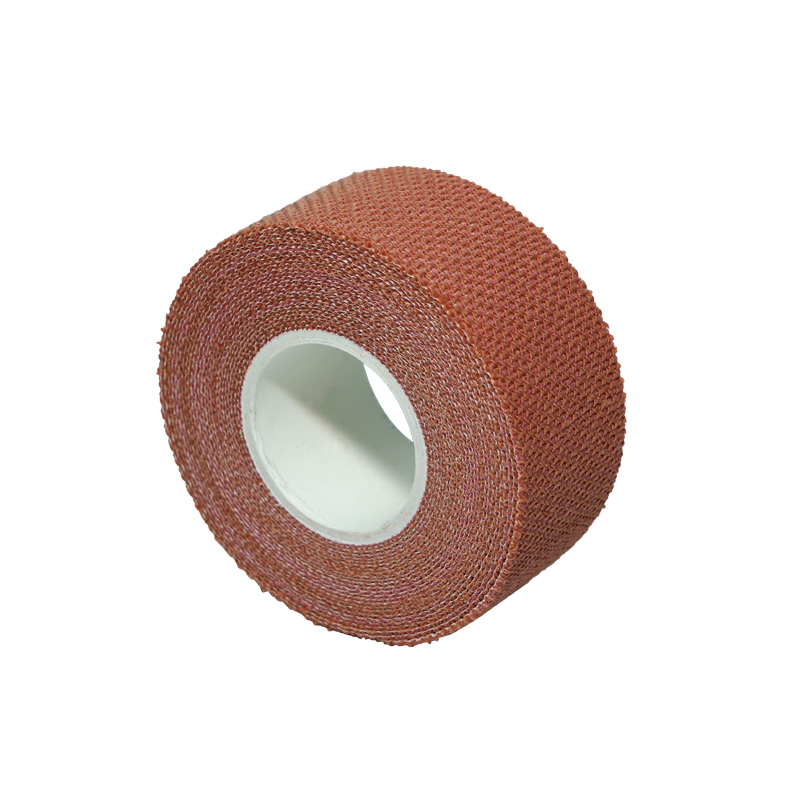 Sports Protective Skin Heavy Elastic Adhesive BandageCotton elastic, latex-free heavy bandage for joint stabilisation during exercise; skin tone suits discreet use and white suits clinical settings.View Product →
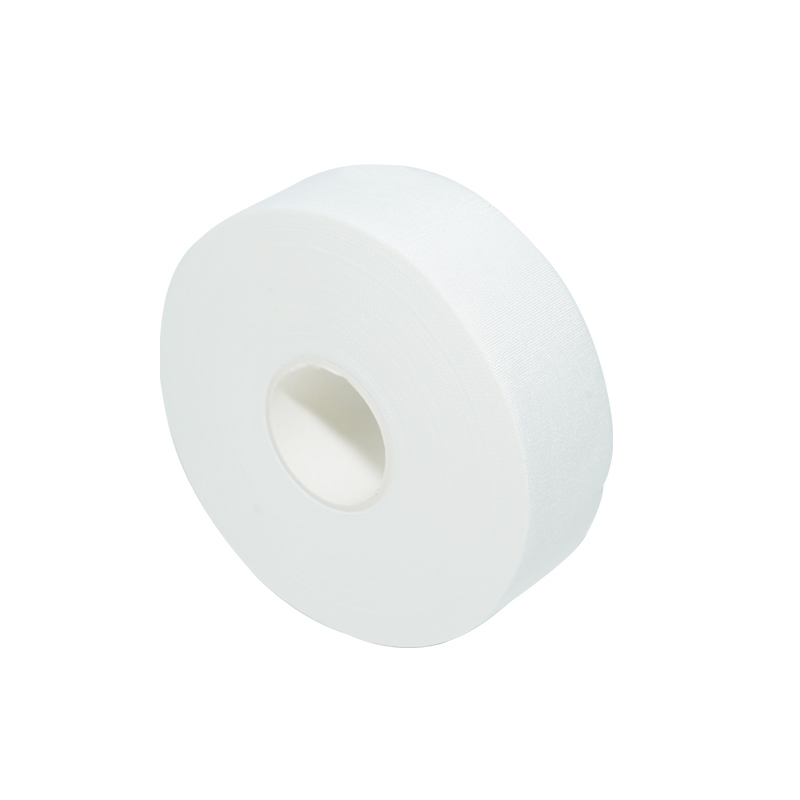
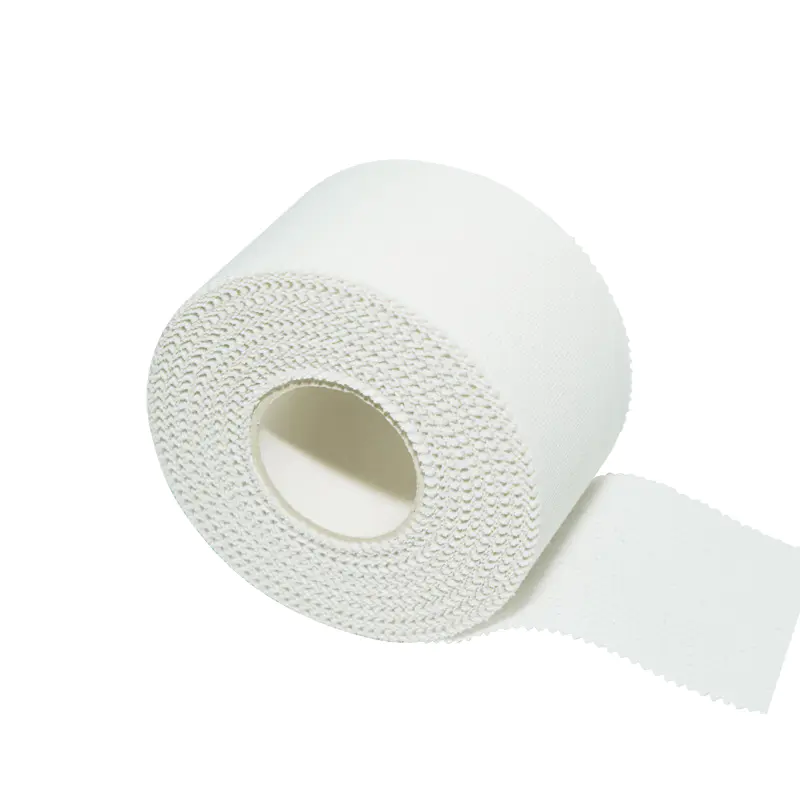
White remains the standard for hospital supply, teaching environments and any setting where a clean, visible wrap is preferred. It also photographs well, which matters more than most buyers expect when a product listing is being built.
Soft adhesive versions use a gentler formulation for patients with sensitive or fragile skin, and for repeated dressing changes where aggressive tack becomes a liability rather than a benefit.
An excellent bandage applied badly still disappoints. The routine we recommend to customers running training sessions looks like this:
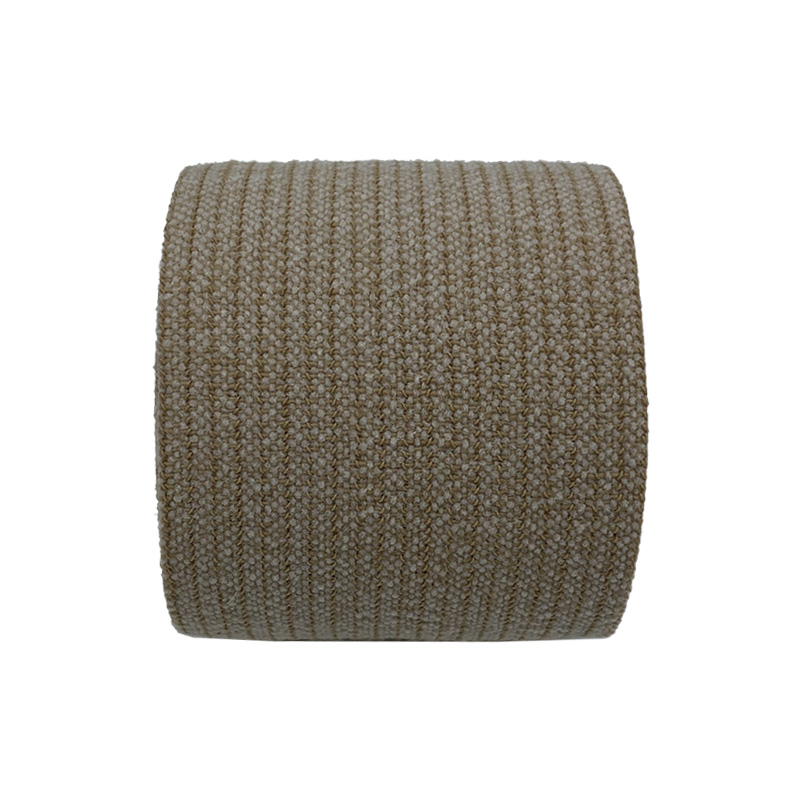 Injury Support Soft Elastic Adhesive BandageSoft polyester elastic bandage with breathable latex-free adhesive, available in skin tone for joint support in training and sports.View Product →
Jiaxing Heao Medical Equipment Co., Ltd. operates two coating lines that can run two different adhesive products at the same time. Our regular bandage output sits at around 300,000 rolls per month, with annual capacity above one million rolls, and most orders are completed within 25 working days. Those figures come from our own production records, so treat them as our stated capability rather than a third-party audit.
We work mainly with wholesalers, Amazon sellers and self-employed operators. That shapes what we offer: FOB, CIF and FBA shipping arrangements, export documentation that keeps customs straightforward, and the flexibility to run small custom batches alongside large repeat orders. Packaging and brand design can be adapted to your artwork, and where a drawing or sample is provided we can develop the product itself, not just the label. If you need a colour or packaging format that is not standard, tell us what the shelf needs to look like.
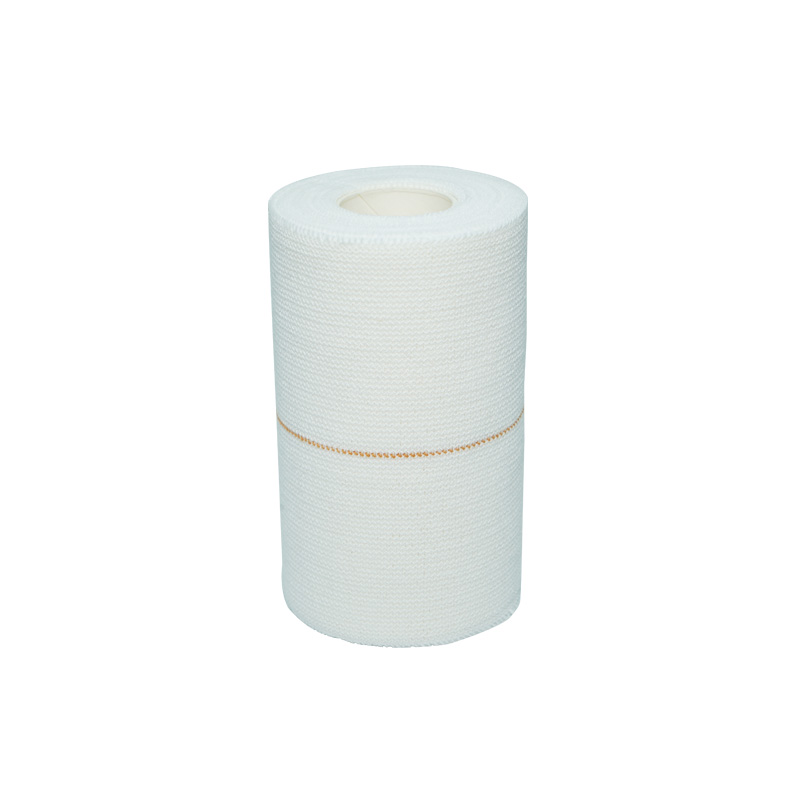 White Heavy Elastic Adhesive Wrap BandageCotton elastic heavy adhesive wrap in white or skin, giving more support than a light bandage and more movement than rigid tape.View Product →
| Product type | Stretch and recovery | Adhesive strength | Best suited to |
|---|---|---|---|
| Light elastic adhesive bandage | Moderate, easy to stretch by hand | Light to moderate | First aid, mild swelling, dressing fixation |
| Heavy elastic adhesive bandage | Firm, strong recovery | Strong, holds under movement | Joint compression, sports strapping, rehabilitation |
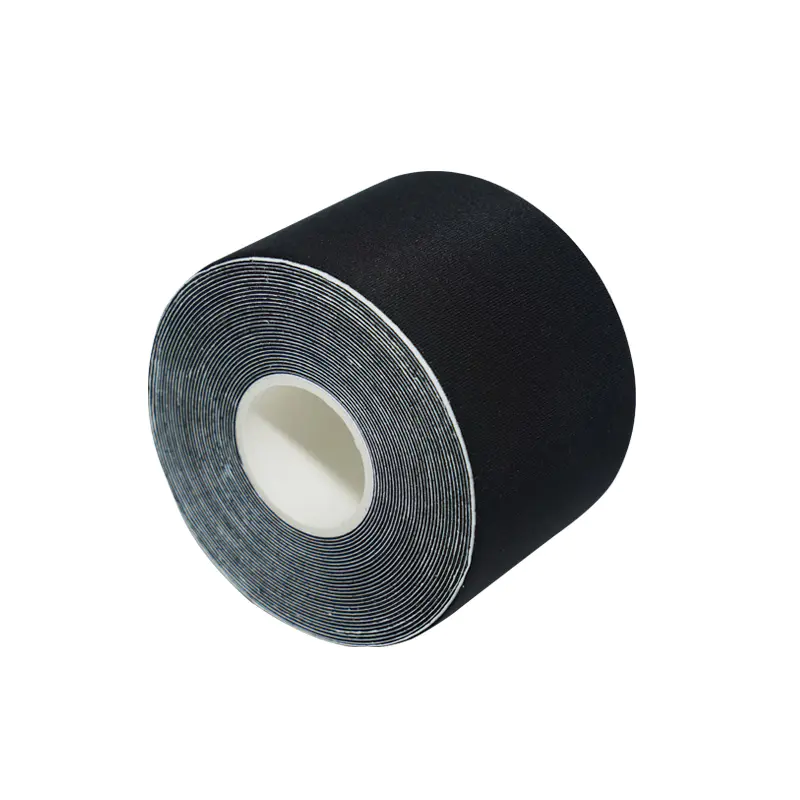
| Rayon rigid strapping tape | Minimal stretch | Strong | Limiting joint movement, rigid support |
| Self-adhesive bandage | Very high | Cohesive, bonds mainly to itself | Wrapping without skin adhesive, dressing retention |
The heavy grade sits in the middle of that table on purpose: more support than a light bandage, more comfort and movement than a rigid tape.
Whether you are buying one pallet or planning a private-label range, a few questions save a lot of back-and-forth later.
We are happy to walk through these with you, roll by roll. If you send us a sample or a drawing, we will tell you honestly what can be made, what it will cost, and how quickly it can ship. That conversation, rather than a catalogue, is usually where a good heavy elastic adhesive bandage order begins.
 NO.89 Duanshu Road, Xinggong Road, Pinghu City, Zhejiang Province, China
 [email protected]
 +86-(0)573-8507 6991
Copyright © hero-medical.com. All Rights Reserved
 Wholesale Sport Tape Manufacturers
China Sport Tape Suppliers
Wholesale Sport Tape Manufacturers
China Sport Tape Suppliers
The information provided on this website is intended for use only in countries and jurisdictions outside of the People's Republic of China.
 English
 Espana
 Français
 Deutsch