

Content
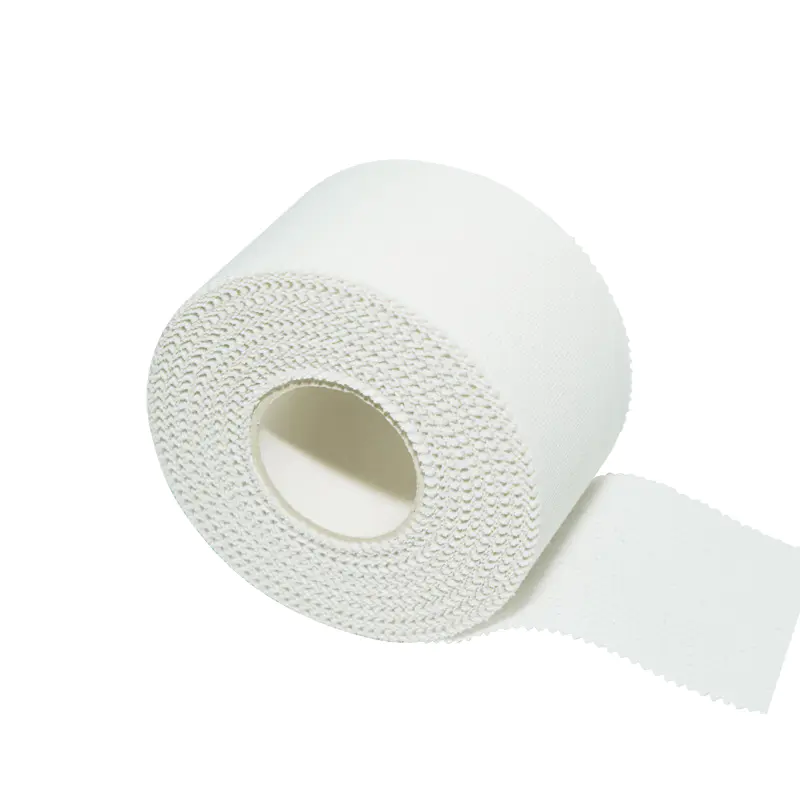
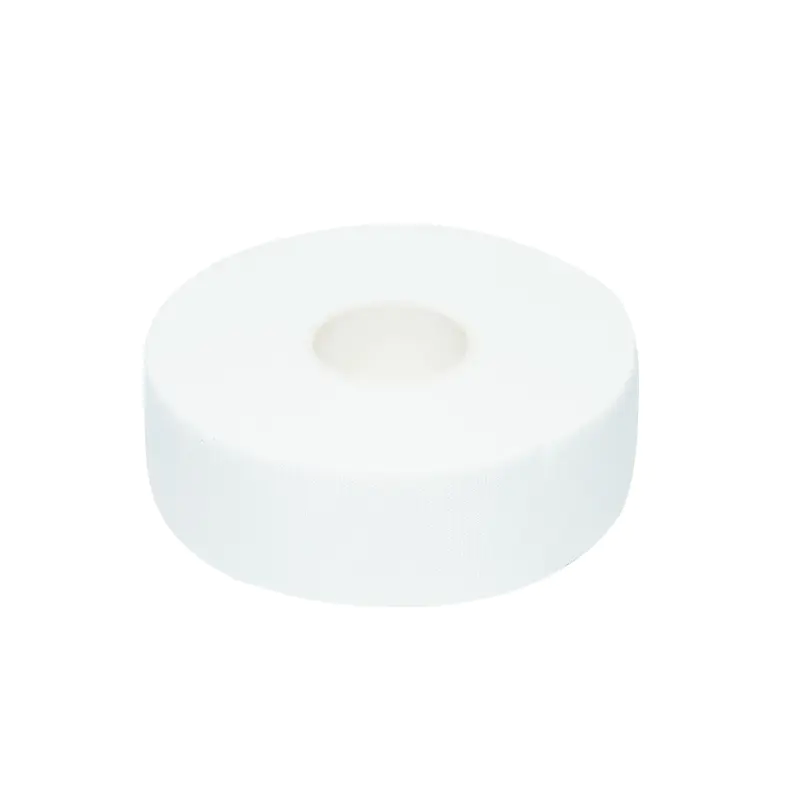
Hockey tape is one of those small pieces of gear that has a big impact on how you play. It’s used mainly on the blade and handle of a hockey stick, but players also rely on it for shin guards, socks, and even quick equipment fixes. The right hockey tape can improve puck control, reduce vibration, and help your stick feel more natural in your hands. Whether you’re a beginner or a seasoned player, understanding how hockey tape works can instantly level up your on-ice experience.
Not all hockey tape is the same. Different materials and finishes are designed for specific jobs, and choosing the right one depends on how and where you plan to use it.
Taping your blade isn’t just about looks. A clean, well-applied tape job can directly affect puck feel and shot accuracy. Most players tape from heel to toe or toe to heel, depending on personal preference.
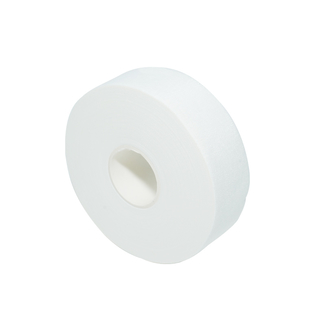
The top of the stick is where hockey tape really helps with comfort and control. A taped handle absorbs sweat and prevents slipping, while a taped knob keeps the stick from sliding out of your hands during play.
Hockey tape isn’t limited to sticks. Many players keep a roll in their bag because it’s useful in so many situations, both on and off the ice.
When selecting hockey tape, think about your position, playing style, and the conditions you play in. Some players prefer softer tape for better puck feel, while others want a tougher tape that lasts longer. Color can also matter, as white tape shows puck marks clearly, while black tape hides wear and tear.
| Tape Type | Best Use | Key Benefit |
| Cloth Hockey Tape | Stick blade & handle | Grip and puck control |
| Friction Tape | Blade surface | Reduced ice buildup |
| Clear Tape | Shin guards & socks | Strong hold and durability |
Hockey tape may seem simple, but it plays a huge role in performance, comfort, and equipment reliability. By understanding the different types of hockey tape and how to use them properly, you can customize your setup to match your style of play. A good tape job doesn’t just protect your gear—it helps you feel more confident every time you step onto the ice.
 NO.89 Duanshu Road, Xinggong Road, Pinghu City, Zhejiang Province, China
 [email protected]
 +86-(0)573-8507 6991
Copyright © hero-medical.com. All Rights Reserved
 Wholesale Sport Tape Manufacturers
China Sport Tape Suppliers
Wholesale Sport Tape Manufacturers
China Sport Tape Suppliers
The information provided on this website is intended for use only in countries and jurisdictions outside of the People's Republic of China.
 English
 Espana
 Français
 Deutsch