

Content
Hockey tape is one of those pieces of equipment that most players buy on autopilot — grabbing whatever roll is near the register without thinking much about it. But the tape on your stick directly affects how you handle the puck, how much feel you have on passes and shots, and how long your blade holds up against ice and boards. A well-executed tape job with the right product genuinely changes how a stick performs in your hands, and a bad one — peeling mid-period, too thick in the wrong spots, wrong color for reading the puck — is a distraction you don't need during a game.
Beyond the blade, hockey tape shows up across an entire equipment setup: shin pad straps, sock tape, grip tape on stick handles, pre-wrap under shin guards, and protective applications around wrist areas. Each use case has its own requirements, and the tape that works perfectly on a blade handle is not always the right choice for securing a shin pad. Understanding the different types and what each is designed for is the starting point for using tape well rather than just using it habitually.
Walk into any hockey shop and you'll find multiple tape varieties on the shelf, often without clear explanation of the differences. The main types serve genuinely different functions, and knowing what distinguishes them helps you pick the right product for each application rather than defaulting to one tape for everything.
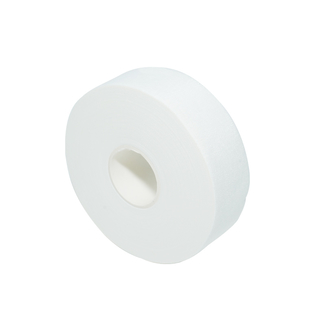
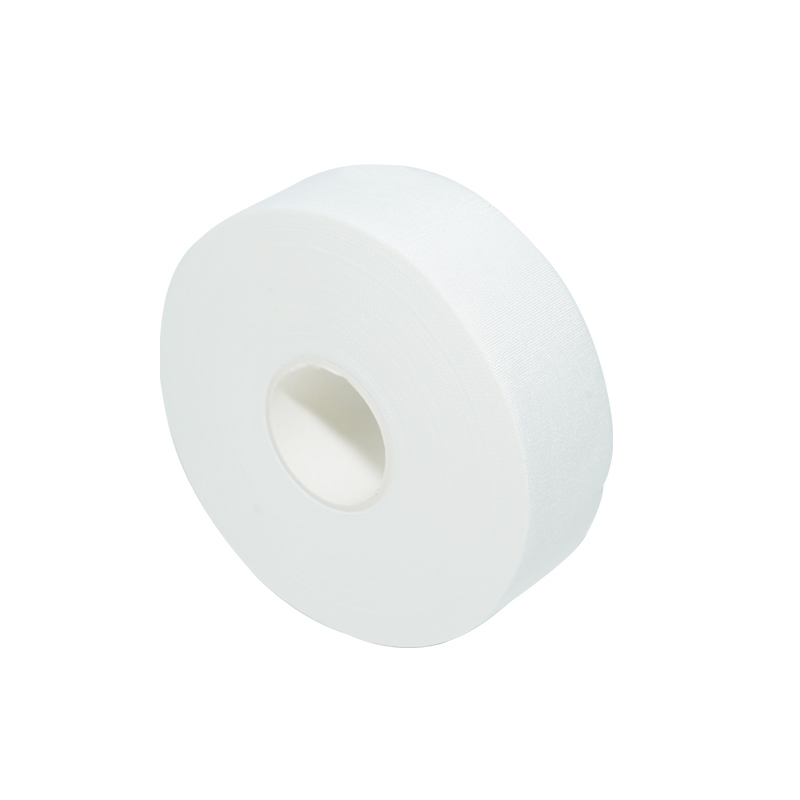
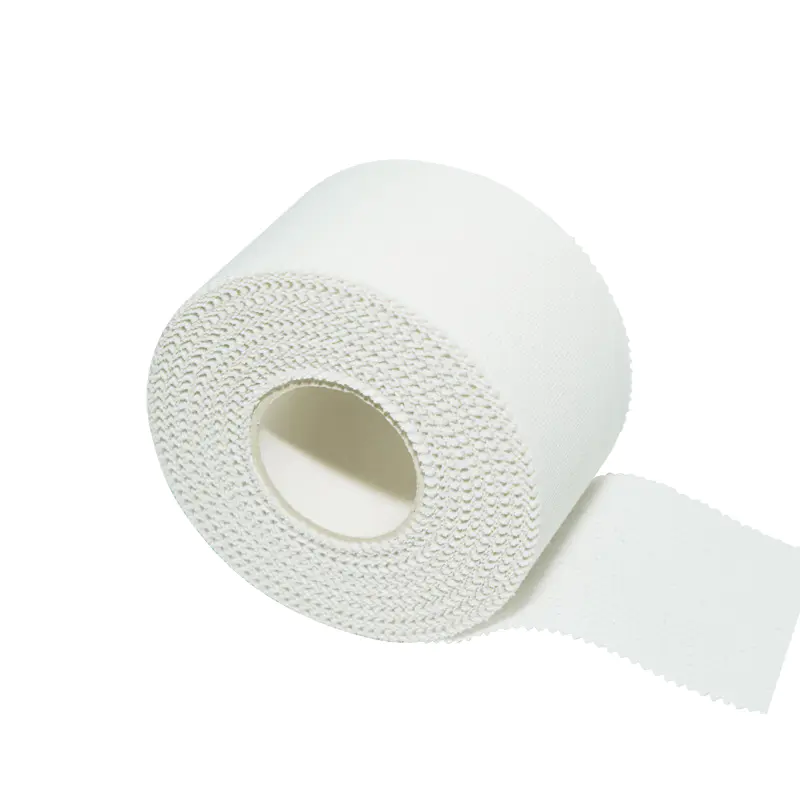
Cloth tape — also called friction tape or fabric tape in some markets — is the standard for blade taping and the product most people picture when they hear "hockey tape." It is made from a cotton or cotton-blend cloth backing coated with a rubber-based adhesive, which gives it a textured surface that grips the puck and absorbs moisture without becoming completely slick when wet. Cloth hockey tape is available in a range of widths, with 1-inch (25mm) being the most common for blade applications and 1.5-inch available for players who prefer overlapping coverage. It tears cleanly across its width without scissors, which makes mid-game repairs practical, and it conforms well to the curved surfaces of a blade without bunching. The cloth construction also means it adds a small but noticeable amount of friction to puck handling — catches, tips, and soft passes all benefit from a well-taped blade compared to bare composite or wood.
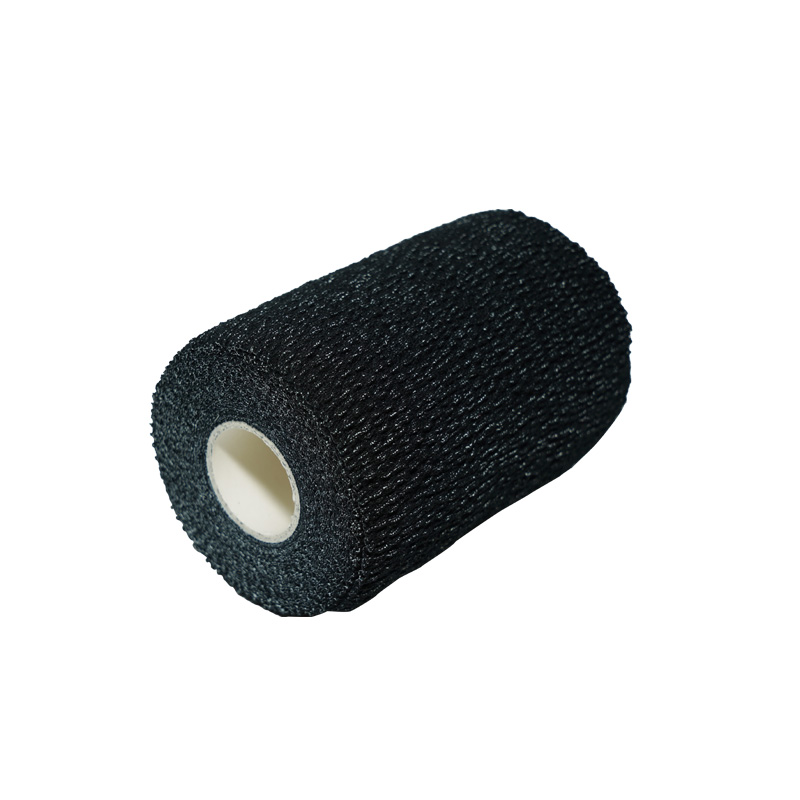
Shin pad tape — sometimes called clear tape, sock tape, or poly tape — is a stretchable, lightly adhesive tape used to secure shin pads, hold hockey socks in place over shin guards, and keep equipment positioned correctly during play. It is thinner and more elastic than cloth tape and leaves less adhesive residue on skin and fabric when removed. Most shin pad tape is transparent or comes in team colors, and it is designed to be applied with moderate tension so it holds securely without cutting off circulation at the calf or ankle. Some players apply it directly over the sock; others prefer to use a sock tie or velcro strap for the primary securing role and use tape only at the ankle to prevent the sock from riding up. Pre-wrap foam — a thin, non-adhesive foam underwrap applied beneath tape — is commonly used under shin pad tape to protect skin from the adhesive and make removal more comfortable.
Grip tape applied to the top of a stick handle — the butt end — serves a different purpose than blade tape. Here the priority is hand feel, sweat absorption, and preventing the stick from slipping during hard shots and battles along the boards. Cloth tape is commonly used for handle grip, but some players prefer dedicated grip tape products with a more pronounced texture or a tacky surface designed specifically for glove-to-handle contact. The handle tape job also serves a protective function: it prevents wear at the top of the shaft where gloves and boards make repeated contact, which matters more for composite sticks where exposed shaft damage can compromise structural integrity. Grip wax — applied over cloth handle tape — is a popular accessory that increases tackiness and water resistance on the handle, extending the grip quality of the tape job between full replacements.
Waxed hockey tape is cloth tape that has been pre-treated with a wax coating to reduce moisture absorption and extend the life of the blade tape job. On ice, standard cloth tape absorbs water and becomes heavier and less grippy over the course of a session; waxed tape resists this absorption and stays lighter and more consistent for longer. Some players find waxed tape feels slightly slicker on the puck than unwaxed cloth — a matter of preference — and it is more commonly used for ice applications than for inline or roller hockey where moisture is less of a factor. Tear-resistant tape variants use a more tightly woven backing that is harder to tear by hand but holds up better against the abrasion of ice, puck contact, and board impacts, which makes them a reasonable choice for players who go through tape quickly or play on particularly rough ice surfaces.
Color preference in hockey tape is one of the most debated topics among recreational and competitive players alike, and there is a genuine functional argument on both sides — not just aesthetic preference. The color of blade tape affects how a goalie reads the puck off your stick, and understanding that factor helps you make a deliberate choice rather than just buying whatever color is in stock.
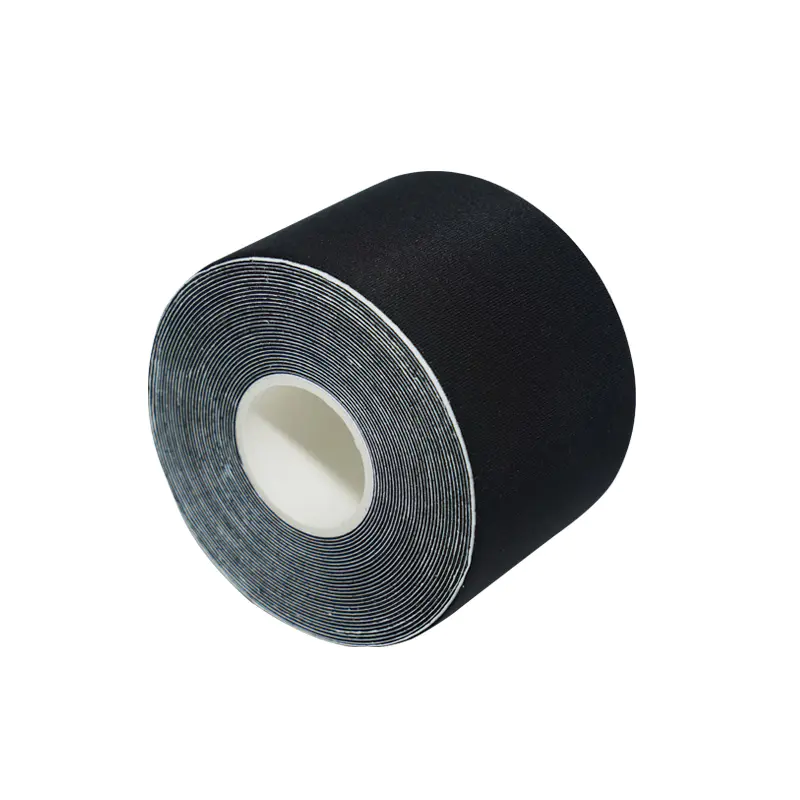
Black tape on the blade makes the puck harder for the goalie to pick up against the blade surface during a shot or deke. A black puck against black tape blends together visually, making it more difficult for the goalie to read the exact moment of release and the puck's trajectory off the blade. This is why many offensive players at all levels default to black tape — it offers a slight visual advantage in deception. White tape, by contrast, creates strong contrast with the black puck, making puck tracking easier for the goalie but also easier for the player themselves when receiving passes or handling the puck in low-visibility situations like board battles or crowded crease areas. Defensive players and those who prioritize puck handling feel over deception sometimes prefer white for this reason.
| Tape Color | Puck Visibility for Goalie | Puck Visibility for Player | Preferred By |
| Black | Harder to track | Moderate | Forwards, shooters |
| White | Easier to track | High contrast, easier | Defenders, puck handlers |
| Colored (team colors) | Varies | Varies | Aesthetics, identity |
Some leagues and levels of play have rules about tape color — particularly at the professional level where white tape on a blade is sometimes restricted because it can obscure the puck completely against white ice. Check your league rules if you play at a competitive level where tape color regulations may apply. At the recreational level, color choice is entirely personal and the functional difference, while real, is modest enough that feel and preference should drive the decision.
There is no single correct way to tape a blade — different players use different methods based on preference, position, and how they handle the puck. But there are fundamentals that separate a tape job that performs well and lasts through a game from one that starts peeling at the first puck battle. Getting these basics right is more important than following any particular style.
The direction you tape makes a practical difference in how long the job holds up. Taping from the toe toward the heel means each successive wrap overlaps the previous one in a direction that resists peeling when the blade moves forward against the ice — the direction of most skating and puck-handling motions. This is the most common method and generally produces a more durable result. Taping heel-to-toe is also used, and some players feel it provides better puck feel at the toe where most shooting and passing contact occurs. Experiment with both to find which feels more natural for your style, but pay attention to which end of the blade sees the most wear in your game and protect that area with slightly more overlap or a double layer.
Full blade coverage — taping the entire blade face from heel to toe — provides maximum protection for the blade surface and the most consistent puck feel across the full length. This is the standard approach for most players and is particularly recommended for composite sticks where bare blade surface damage from pucks and ice can wear through the top layers of the composite layup. Partial taping — covering only the lower portion of the blade, or just the toe area — reduces tape weight and material cost and is preferred by some players who feel the tape itself affects how the blade flexes on contact. The heel-only style, where just the heel portion is taped, is less common but used by players who primarily work the puck through the heel of the blade. Whatever coverage you choose, ensure the tape lies flat without air bubbles or folds, which create weak points where the tape will start to lift during play.
Adding a toe cap — folding the tape over the toe of the blade and securing it on the back face — significantly extends tape life at the toe, which takes more abrasion from ice contact than any other part of the blade. To make a clean toe cap, leave enough tape at the end of your last wrap to fold over the toe edge by approximately 1–2cm, press it flat against the back face, and then continue with a few final wraps back toward the heel to lock it in place. A well-made toe cap prevents the end of the tape from catching on the ice and peeling back, which is the most common point of tape failure during a game. Some players apply a small separate piece of tape over the toe cap for extra reinforcement before completing the main wrap.
Handle taping is less standardized than blade taping, and there is more variation in how players approach it. The goal is a grip that feels secure, absorbs sweat, and gives you confident control of the stick through all the contact and movement of a game. The specifics of how you achieve that depend on your hand position, glove type, and personal preference for grip thickness and texture.
Most players build a knob at the butt end of the handle before applying the main grip wrap. The knob serves two purposes: it prevents the stick from slipping completely out of the top hand during play, and it provides a tactile reference point for hand positioning without looking down at the stick. To build a knob, wrap tape around the very top of the shaft — approximately the top 2–3cm — building up several layers until the knob is large enough to feel clearly through a glove but not so large that it interferes with stick handling. Knob size is personal; some players prefer a very subtle bump while others build a large flared knob. One technique that produces a cleaner, more durable knob is to fold a strip of tape back on itself lengthwise to create a thicker pad, wrap this around the shaft end, and then secure it with circumferential wraps of tape over the top.
The main grip section of the handle can be applied in a spiral wrap — angling the tape at roughly 45 degrees as you move down the shaft — or in overlapping straight wraps. Spiral wrapping uses less tape and leaves a textured diagonal pattern that many players find grippy and comfortable. It is faster to apply and easier to remove cleanly. Overlapping straight wraps build more total tape thickness, which some players prefer for cushioning against hard passes and board impacts. The practical difference between the two in actual performance is modest — the more important factor is applying the tape with consistent tension throughout so there are no loose sections that bunch inside the glove during play.
A tape job that starts disintegrating after one period costs you time, money, and focus. Several simple habits extend tape life significantly without requiring you to re-tape before every session.
Roller hockey and inline hockey place different demands on blade tape than ice hockey, and players who cross between the two often find their ice tape habits don't translate perfectly. The most significant difference is the surface: roller and inline hockey is played on sport court, asphalt, or smooth concrete rather than ice, which means the blade tape faces constant abrasion against a rough, dry surface rather than gliding over a relatively smooth, wet one.
For roller applications, tape durability under abrasion matters more than moisture resistance. Standard cloth tape wears through quickly on rough sport court surfaces — some players find a full tape job is gone within a single outdoor session on asphalt. Heavier-duty cloth tape with a tighter weave, or tape specifically marketed for roller hockey use, holds up better. Some roller players skip blade tape entirely, particularly on plastic or composite roller blades where the surface is already durable, and focus tape effort on the handle grip only. For indoor roller hockey on smooth sport court, standard cloth tape used for ice works reasonably well with a slightly heavier application than you'd use on ice.
 NO.89 Duanshu Road, Xinggong Road, Pinghu City, Zhejiang Province, China
 [email protected]
 +86-(0)573-8507 6991
Copyright © hero-medical.com. All Rights Reserved
 Wholesale Sport Tape Manufacturers
China Sport Tape Suppliers
Wholesale Sport Tape Manufacturers
China Sport Tape Suppliers
The information provided on this website is intended for use only in countries and jurisdictions outside of the People's Republic of China.
 English
 Espana
 Français
 Deutsch