

Content
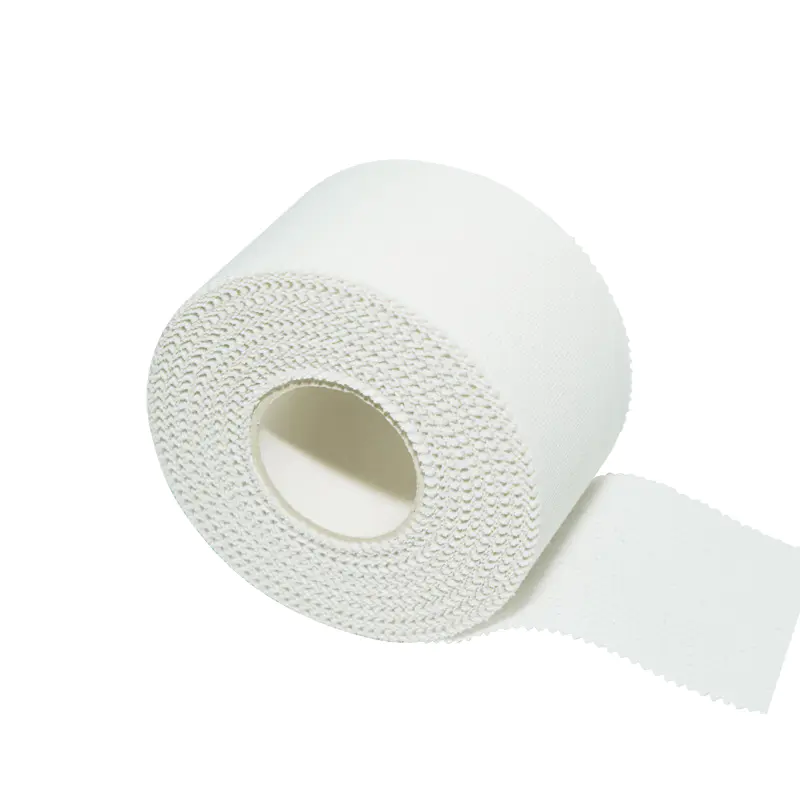
Hockey tape isn't just sticky cloth—it's a performance tool that directly affects your puck control, shot accuracy, and stick durability. Whether you're wrapping the blade for better feel or the handle for a secure grip, the right hockey stick tape creates friction where you need it and protects your gear from wear. Players often overlook tape choice, but pros know that the wrong type can slip when wet, tear mid-game, or leave messy residue. Understanding what makes quality hockey equipment tape work helps you make smarter choices that translate to better performance on the ice.
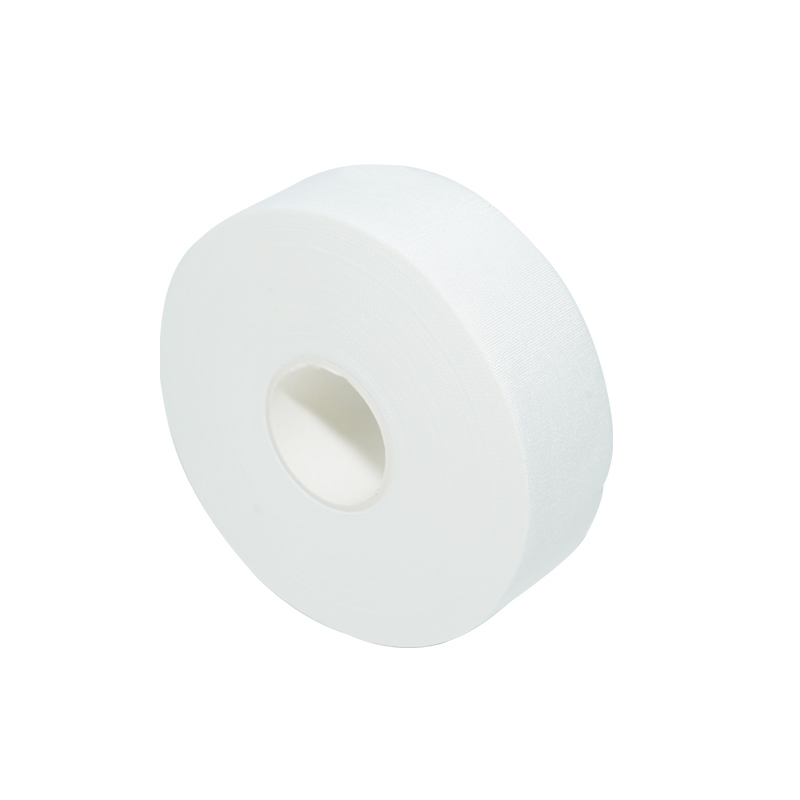
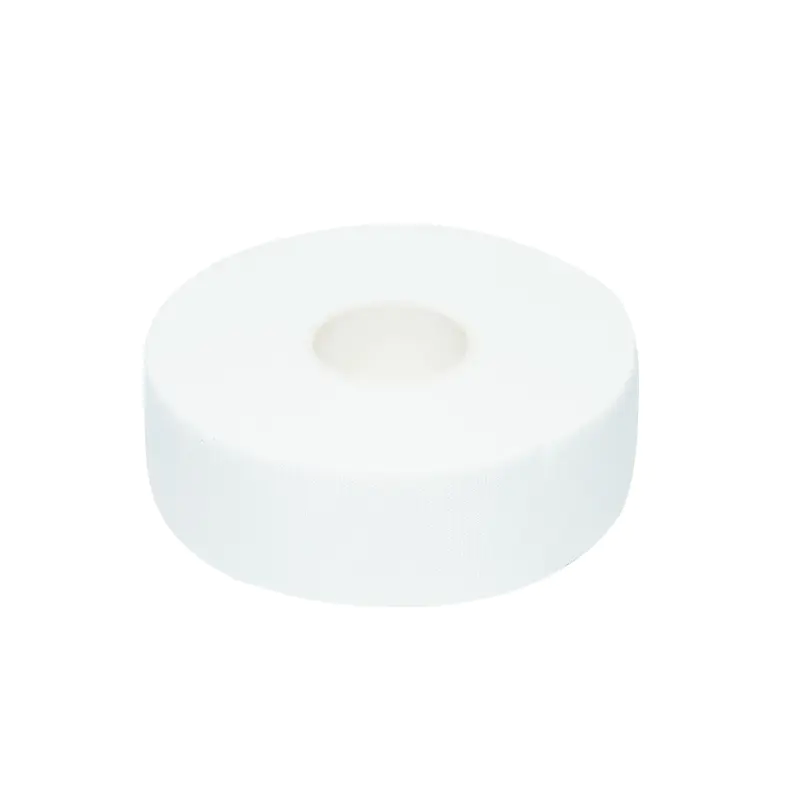
Not all hockey tape is created equal. The two main categories are cloth tape (for blades and general use) and friction/grip tape (for handles), but within those are variations in adhesive strength, water resistance, and texture. Cloth hockey tape is breathable, easy to tear by hand, and great for blade wrapping. Friction tape has a rougher surface for maximum grip on the shaft but can be harder to remove. Some players even use clear waterproof hockey tape over blade wraps to extend life in wet conditions. Picking the right hockey tape starts with knowing what you need most: puck feel, grip security, or durability.
Here's a simple breakdown to help you choose between the most common hockey tape types:
| Tape Type | Best For | Key Trait |
| Cloth Hockey Tape | Blade wrapping, general use | Easy to tear, breathable, good puck feel |
| Friction/Grip Tape | Stick handle, glove grip | Rough texture, maximum hold, less stretch |
| Waterproof Blade Tape | Outdoor rinks, wet conditions | Seals moisture, extends wrap life |
| Colored/Custom Tape | Team ID, personal style | Same function, added visibility or flair |
Taping the blade isn't just about slapping on strips—it's a technique that affects puck control and shot power. Start at the heel and work toward the toe, overlapping each wrap by about half the tape width. Keep tension consistent: too loose and it bunches; too tight and it restricts blade flex. For a smoother puck surface, finish with a light "toe cap" wrap and optionally seal with a thin layer of clear tape. Many players also add a small ridge of tape near the heel to help cradle the puck during stickhandling. Practice this routine a few times, and you'll develop a wrap that feels custom to your game.
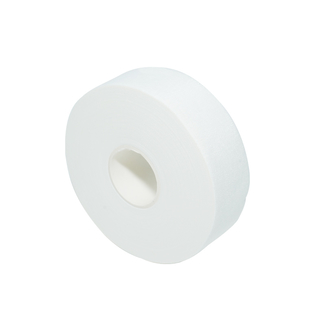
A well-taped handle gives you confidence in stickhandling and shooting, especially when gloves get sweaty or icy. For grip tape on the shaft, start just below the knob and wrap downward in a spiral, overlapping slightly. Some players prefer a "knob" at the top made by folding tape back on itself—this acts as a tactile reference for hand placement. Others use a thinner layer for a more direct feel of the stick. The key is consistency: once you find a grip style that works, stick with it so your muscle memory stays sharp. And remember, re-tape your handle whenever it starts to feel slick or worn—don't wait for game day to discover your grip has failed.
Even experienced players make tape errors that hurt performance. One big mistake: using old, dried-out tape that won't stick properly. Always store your hockey tape in a cool, dry place and check the adhesive before wrapping. Another error: over-wrapping the blade, which adds unnecessary weight and reduces puck feel. Stick to 1–2 layers unless you're specifically building up a curve. Also, avoid pulling tape too tight around the shaft—it can compress the stick and affect flex. Finally, don't skip the toe cap; that small finish step prevents your wrap from unraveling mid-shift. Small fixes like these make your hockey stick tape work harder for you.
Knowing when to re-tape is as important as how you tape. If your blade wrap looks frayed, feels slick, or has visible gaps, it's time for a fresh layer—worn tape reduces puck control and can expose your stick to moisture damage. For handle tape, replace it when the grip feels smooth or starts sliding in your glove, even after wiping. Outdoor players should check tape more often, since ice shavings and temperature changes accelerate wear. Keep a roll of your go-to hockey equipment tape in your bag so you're never caught without a quick fix. A few minutes of re-taping between periods or practices can make a noticeable difference in your next shift.
 NO.89 Duanshu Road, Xinggong Road, Pinghu City, Zhejiang Province, China
 [email protected]
 +86-(0)573-8507 6991
Copyright © hero-medical.com. All Rights Reserved
 Wholesale Sport Tape Manufacturers
China Sport Tape Suppliers
Wholesale Sport Tape Manufacturers
China Sport Tape Suppliers
The information provided on this website is intended for use only in countries and jurisdictions outside of the People's Republic of China.
 English
 Espana
 Français
 Deutsch