

Content
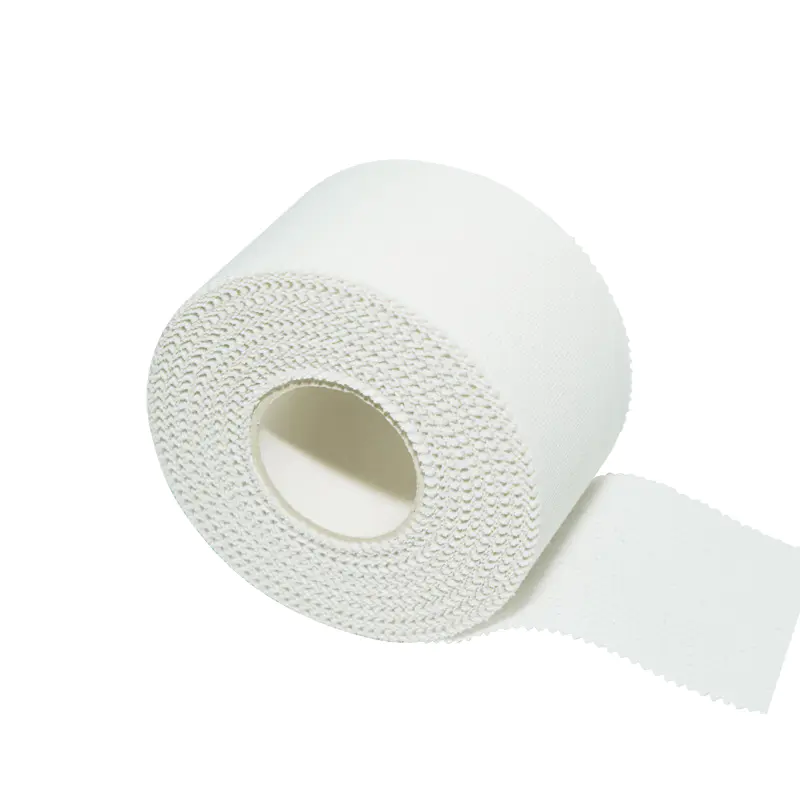
Medical fixation tape is a specialized adhesive material designed to secure primary dressings, catheters, and drainage tubes firmly to the skin. Unlike standard adhesive bandages, fixation tape is engineered to provide high initial tack while maintaining breathability. This is crucial for preventing skin maceration, which occurs when moisture is trapped against the skin, leading to tissue breakdown. High-quality fixation tapes are often made from non-woven polyester or elastic materials that allow the tape to stretch and conform to the body's natural contours, ensuring that the medical device or dressing remains in place even during physical activity.
The selection of fixation tape depends heavily on the patient's skin integrity and the required duration of the application. For patients with fragile or "paper-thin" skin, such as the elderly or neonates, silicone-based fixation tapes are often preferred as they minimize epidermal stripping upon removal. Conversely, for securing heavy equipment like chest tubes, a more aggressive acrylic adhesive might be necessary. Understanding these nuances is essential for healthcare providers and home caregivers to ensure patient comfort and effective healing.
One of the most important factors in fixation tape performance is its Moisture Vapor Transmission Rate (MVTR). This determines how efficiently the tape allows sweat and exudate to evaporate through the material. A high MVTR prevents the buildup of moisture that can cause the adhesive to fail or lead to bacterial growth. Additionally, most modern fixation tapes are hypoallergenic and latex-free to reduce the risk of allergic contact dermatitis, which is a common complication in long-term wound management.
| Tape Material | Best Use Case | Key Benefit |
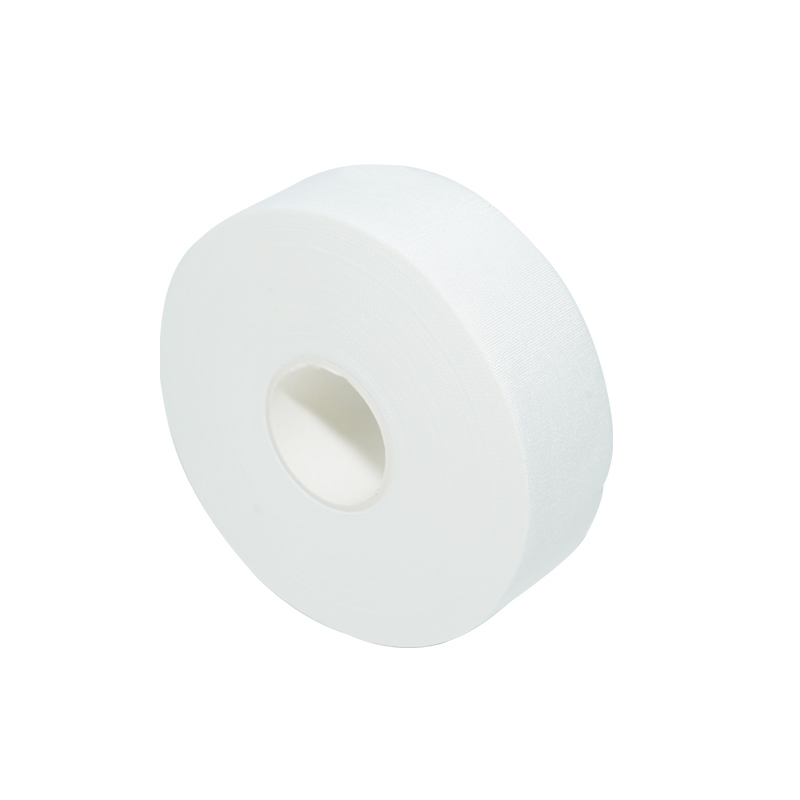
| Non-woven Fabric | Large area dressing fixation | Highly breathable and flexible |
| Zinc Oxide | Rigid immobilization/Sports | Strongest adhesion and support |
| Transparent Film | I.V. sites and waterproof needs | Easy monitoring of the wound |
| Silicone Tape | Sensitive or at-risk skin | Painless, atraumatic removal |
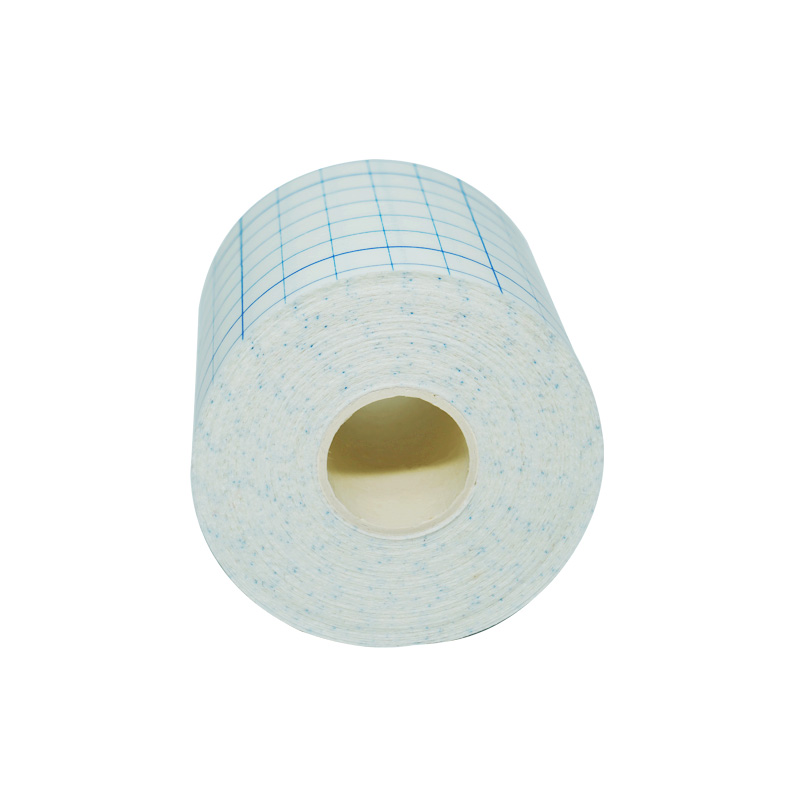
To achieve maximum efficacy and minimize skin trauma, proper technique is required when applying fixation tape. The skin must be clean, dry, and free of oils or lotions. If a skin barrier prep is used, it should be allowed to dry completely before the tape is applied. When applying the tape, it is important to lay it down without tension. Stretching the tape during application creates "shear force" on the skin, which is a leading cause of tension blisters and skin tears.
Beyond simple wound care, fixation tape plays a critical role in complex medical scenarios. In orthopedic settings, wide-area fixation tape is used to secure padding under casts or to provide secondary support for joints. In respiratory care, specialized fixation tapes with high moisture resistance are used to secure endotracheal tubes, where saliva and humidity would cause standard tapes to fail. The evolution of "smart" adhesives continues to push the boundaries, with some tapes now featuring color-change indicators to signal when a dressing has become saturated and requires changing, thereby enhancing the precision of clinical monitoring.
 NO.89 Duanshu Road, Xinggong Road, Pinghu City, Zhejiang Province, China
 [email protected]
 +86-(0)573-8507 6991
Copyright © hero-medical.com. All Rights Reserved
 Wholesale Sport Tape Manufacturers
China Sport Tape Suppliers
Wholesale Sport Tape Manufacturers
China Sport Tape Suppliers
The information provided on this website is intended for use only in countries and jurisdictions outside of the People's Republic of China.
 English
 Espana
 Français
 Deutsch