

Content
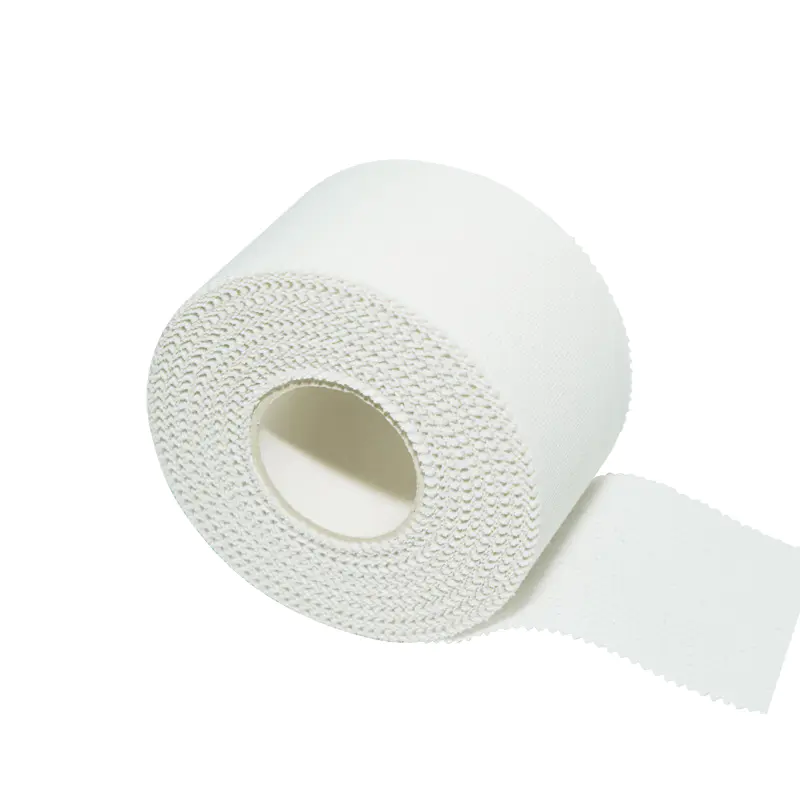
Kinesiology tape is a thin, elastic strip made from cotton fabric with an acrylic adhesive backing, designed to mimic the thickness and elasticity of human skin. This is the core feature that sets it apart from traditional athletic or surgical tape: most kinesiology tape can stretch up to around 140% of its original length, which lets it move with the body instead of locking a joint in place. Traditional athletic tape, by contrast, is generally inelastic and is wrapped around a joint purely to compress and restrict movement, which is useful for rigid stabilization but limits range of motion during activity.
Because kinesiology tape stretches in a way that closely follows the skin's natural movement, it can typically be worn for longer stretches of time than rigid athletic tape before it needs to be removed and reapplied. This combination of flexibility and extended wear time is a big part of why kinesiology tape became popular in sports rehabilitation and later spread into everyday pain management, posture support, and general fitness use.
The leading explanation for how kinesiology tape produces its effects centers on a simple mechanical idea: when the tape is applied with the skin in a stretched position, it creates microscopic lifts in the skin once that stretch is released, slightly increasing the space between the skin and the tissue layers underneath. This subtle lift is believed to reduce pressure on the structures below the skin and may improve local circulation of blood and lymphatic fluid in the taped area. A small study with 32 participants found that applying kinesiology tape over the knee increased the space within the knee joint, and a similar study reported the same effect at the shoulder joint, which lends some support to this lifting theory.
Beyond the mechanical lifting effect, kinesiology tape is also thought to stimulate mechanoreceptors in the skin — sensory nerve endings that respond to pressure, stretch, and movement. Stimulating these receptors may help modulate pain signals and improve proprioception, which is the body's sense of where a joint or limb is in space without needing to look at it. This proprioceptive effect is one reason kinesiology tape is so often used around joints like the knee, shoulder, and ankle, where better positional awareness can translate into more controlled, stable movement during activity.
It's worth being upfront that the scientific evidence behind kinesiology tape is genuinely mixed, not settled. Some studies report modest improvements in circulation, strength, or joint space, while others find no meaningful difference compared to a placebo or sham taping technique. Part of the difficulty in interpreting this research comes down to inconsistency between studies: researchers have measured the material and mechanical properties of more than twenty different kinesiology tape brands and found that all of them behave somewhat differently, which makes it hard to directly compare results across different research papers. Differences in taping technique, the amount of stretch applied, and the outcome being measured all add further variability, so claims of guaranteed results should be treated with some healthy skepticism. That said, many clinicians and athletes report genuine functional benefits, and kinesiology tape appears to work best as one part of a broader approach that includes exercise, manual therapy, and addressing the underlying cause of pain or weakness, rather than as a standalone fix.
Kinesiology tape is used across a wide range of situations, from professional sports recovery to everyday posture support. While individual results vary and the evidence behind each use case differs in strength, these are the most common reasons people reach for kinesiology tape.
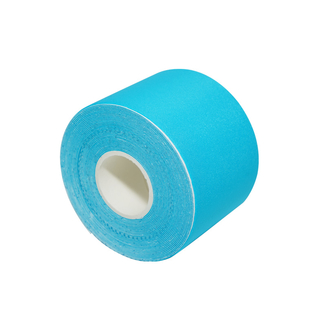
Kinesiology tape isn't applied the same way for every situation. Different cutting patterns are designed to address different shapes of muscles, joints, or areas needing fluid drainage, and choosing the right pattern is a key part of getting useful results from the tape.
| Pattern | Shape | Typical Use |
| I-Strip | Single straight strip | Smaller, more localized areas of support |
| Y-Strip | Split into two tails | Larger muscles such as the biceps or quadriceps |
| X-Strip | Crossed pattern over a joint | Complex joints needing support and flexibility, like the elbow |
| Fan Strip | Multiple thin tails fanning out | Reducing swelling and supporting lymphatic drainage in limbs |
How well kinesiology tape performs depends heavily on application technique, and small mistakes are often the reason people feel like the tape "didn't do anything." Following a consistent process helps the tape adhere properly and gives it the best chance of producing the intended effect.
It's also worth knowing that the amount of stretch applied to the tape is one of the most important variables in the entire process, since targeting a specific muscle or joint structure depends on matching the right tension to the right technique. Different kinesiology tape brands can also have different stretch characteristics even at the same percentage, so a technique developed for one brand may not translate exactly to another. For first-time users, getting a demonstration from a physical therapist, athletic trainer, or another qualified professional is genuinely worth the time, since correct initial application makes a noticeable difference in both comfort and results.
Not all kinesiology tape products are identical, and picking the right one depends on your activity level, skin sensitivity, and how long you need the tape to stay in place. Waterproof or water-resistant kinesiology tape is a popular choice for swimmers and athletes who train in wet or sweaty conditions, since standard versions can lose adhesion faster when repeatedly exposed to moisture. Tape width and pre-cut shapes also matter: precut strips designed for specific joints, like the knee or shoulder, can simplify application for people who aren't confident designing their own taping pattern from a full roll.
For people with sensitive skin, hypoallergenic kinesiology tape formulated with a gentler adhesive can reduce the risk of irritation, redness, or rash, particularly for those who plan to wear the tape for multiple days in a row. Color is largely a cosmetic choice and doesn't affect performance, though some practitioners use different colors to visually distinguish between taping techniques during a treatment session. As with any tape product, doing a small patch test on an inconspicuous area of skin before a full application is a sensible precaution if you've never used kinesiology tape before or have a history of adhesive sensitivity.
Kinesiology tape is generally considered low-risk and non-invasive, but it isn't appropriate for every situation, and it should never be treated as a substitute for proper medical evaluation when an injury is serious. Open wounds, active skin infections, or known allergies to adhesive should rule out taping over the affected area entirely. People with conditions like deep vein thrombosis or active cancer in the area being taped should consult a healthcare provider first, since increasing local fluid movement may not be appropriate in those circumstances.
It's also important to recognize the limits of what kinesiology tape can realistically do. It may help manage symptoms, support movement patterns, and provide a sense of stability, but it does not heal torn ligaments, fix structural joint damage, or replace strengthening and rehabilitation exercises. If pain persists, worsens, or is accompanied by significant swelling, numbness, or loss of function, that's a signal to see a doctor or physical therapist rather than relying on tape alone to manage the problem.
 NO.89 Duanshu Road, Xinggong Road, Pinghu City, Zhejiang Province, China
 [email protected]
 +86-(0)573-8507 6991
Copyright © hero-medical.com. All Rights Reserved
 Wholesale Sport Tape Manufacturers
China Sport Tape Suppliers
Wholesale Sport Tape Manufacturers
China Sport Tape Suppliers
The information provided on this website is intended for use only in countries and jurisdictions outside of the People's Republic of China.
 English
 Espana
 Français
 Deutsch