

Content
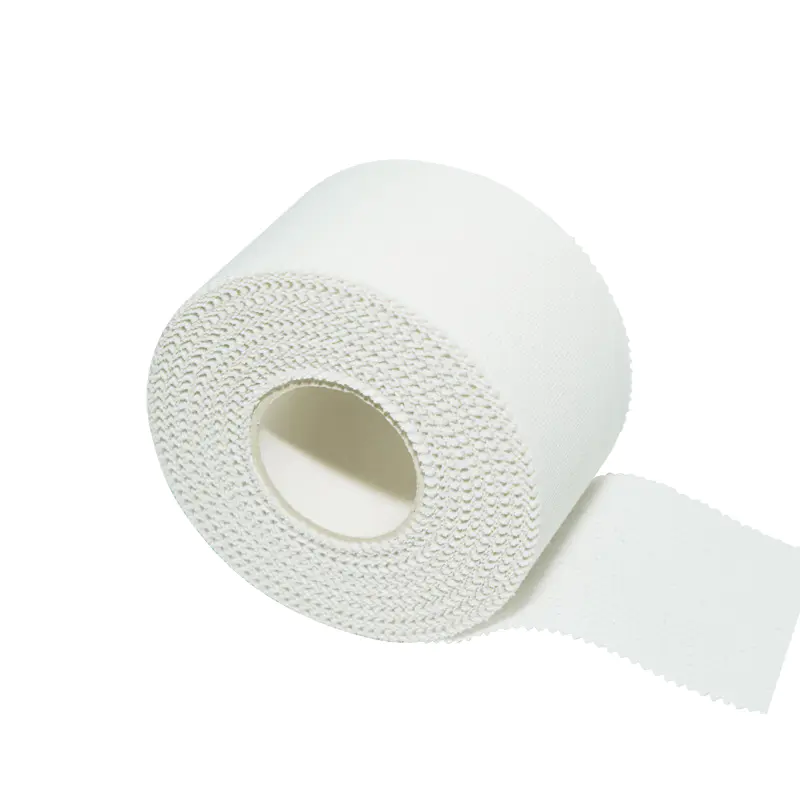
Kinesiology tape is a flexible, elastic therapeutic tape designed to support muscles and joints without restricting natural movement. Unlike rigid athletic tape, kinesiology taping works by gently lifting the skin, which can help reduce pressure on underlying tissues, improve circulation, and support the body’s natural healing process. This is why kinesiology tape is commonly used by athletes, physiotherapists, and everyday users dealing with muscle fatigue or joint discomfort.
The elastic properties of kinesiology tape closely mimic human skin, allowing it to move naturally with the body. When applied correctly, kinesiology tape provides continuous support during exercise, work, or daily activities, making it suitable for both sports performance and injury prevention.
Kinesiology tape offers a combination of support, comfort, and versatility. Its benefits go beyond simple muscle stabilization and can be useful in many real-world scenarios.
Kinesiology tape is widely used across different fields, from professional sports to rehabilitation clinics. Its adaptability makes it suitable for various body parts and conditions.
Athletes often use kinesiology tape for muscle support during training and competition. It is commonly applied to shoulders, knees, ankles, and backs to provide stability while still allowing full movement. Many users report increased confidence during activity when kinesiology tape is applied correctly.
In rehabilitation settings, kinesiology taping is frequently used as part of a broader treatment plan. Physical therapists may apply the tape to support injured muscles, encourage proper movement patterns, and assist recovery after strains or overuse injuries.
Beyond sports, kinesiology tape can also be used during daily activities. Office workers and manual laborers sometimes use kinesiology tape to promote posture awareness and reduce discomfort caused by repetitive movements or long hours in one position.
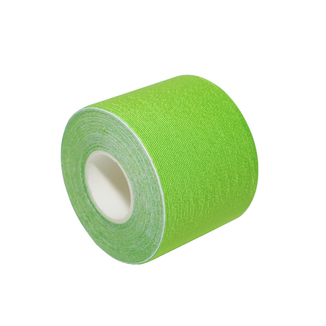
Not all kinesiology tapes are the same. Selecting the right option depends on material quality, adhesive strength, and intended use.
| Feature | What to Look For |
| Material | Cotton or synthetic fabric with good elasticity |
| Adhesive | Skin-friendly, latex-free adhesive for long wear |
| Water Resistance | Able to stay on during sweat and showers |
Correct application is essential to get the best results from kinesiology tape. Poor taping techniques may reduce effectiveness or cause skin irritation.
Kinesiology tape is suitable for a wide range of users, from professional athletes to individuals managing everyday aches. People involved in sports, physical labor, rehabilitation, or long hours of sitting may all find kinesiology taping helpful when used appropriately.
As with any supportive product, kinesiology tape works best when combined with proper movement, rest, and professional guidance when needed. Used correctly, kinesiology tape can be a simple yet effective tool for ongoing muscle and joint support.
 NO.89 Duanshu Road, Xinggong Road, Pinghu City, Zhejiang Province, China
 [email protected]
 +86-(0)573-8507 6991
Copyright © hero-medical.com. All Rights Reserved
 Wholesale Sport Tape Manufacturers
China Sport Tape Suppliers
Wholesale Sport Tape Manufacturers
China Sport Tape Suppliers
The information provided on this website is intended for use only in countries and jurisdictions outside of the People's Republic of China.
 English
 Espana
 Français
 Deutsch