

You've seen it on Olympic athletes, marathon runners, and weekend gym-goers alike — those strips of brightly colored elastic tape wrapped across shoulders, knees, and lower backs. Kinesiology tape has gone from a niche physical therapy tool to one of the most widely used sports and rehabilitation aids in the world. But what does it actually do, how does it work, and does the application method matter as much as the marketing suggests? This guide covers the practical side of kinesiology tape in full detail — the science, the application techniques, the conditions it helps, the types available, and how to choose and use it correctly.
Content
Kinesiology tape — also called kinesio tape, elastic therapeutic tape, or KT tape — is a thin, elastic cotton or synthetic fabric strip coated on one side with a pressure-sensitive acrylic adhesive. It was developed in the 1970s by Japanese chiropractor Dr. Kenzo Kase, who designed it to mimic the thickness and elasticity of human skin. This design philosophy is what fundamentally distinguishes kinesiology tape from traditional rigid sports tape and athletic strapping.
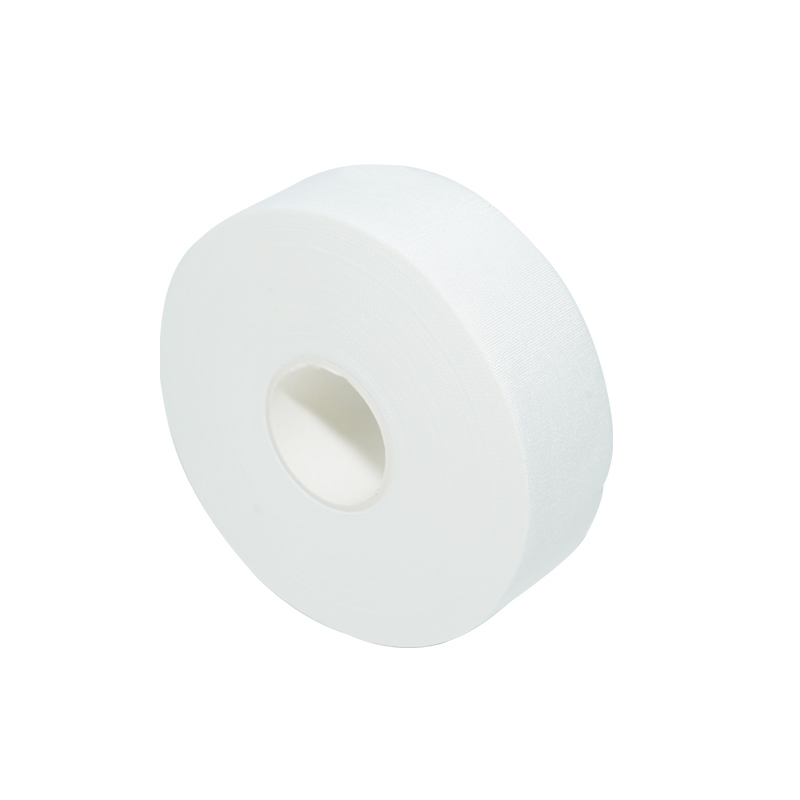
Traditional rigid athletic tape — zinc oxide tape, white sports tape, and similar products — works by mechanically restricting joint movement. It creates a rigid external brace around a joint, limiting range of motion to prevent further injury or provide stability. This is effective for acute ligament sprains and joint instability but completely immobilizes the taped region and must be removed after activity because it prevents normal movement patterns during daily function.
Kinesiology tape works on an entirely different principle. Its elasticity — typically 130% to 180% of its resting length — allows full range of motion at the taped area. Rather than restricting movement, it interacts with the skin and underlying tissues through mechanical and sensory mechanisms to achieve therapeutic effects while movement continues normally. It can be worn continuously for several days, including during bathing and exercise, due to its water-resistant adhesive system. This makes it suitable for continuous therapeutic use throughout a recovery process, not just during athletic activity.
The therapeutic effects of kinesio tape are attributed to several overlapping mechanisms. It is important to note that clinical research on kinesiology tape is ongoing, and the strength of evidence varies across different claimed benefits. The mechanisms below represent the current working models that practitioners and researchers use to explain observed effects — understanding them helps you set realistic expectations and apply the tape in ways that target specific goals.
When kinesiology tape is applied with stretch to the skin, the tape's elastic recoil creates a gentle lifting force on the skin surface as it tries to return to its resting length. This microscopic lifting effect is proposed to increase the space between the skin and underlying fascial layers, decompressing the interstitial space where lymphatic capillaries and small blood vessels lie. By reducing compression on these structures, the tape may facilitate improved lymphatic drainage and local circulation in areas of swelling or bruising. This mechanism is the basis for the tape's use in edema management and post-injury swelling reduction, and is one of the more clinically supported applications of kinesiology tape.
The skin contains a dense network of mechanoreceptors — sensory nerve endings that respond to touch, pressure, and movement. Kinesiology tape continuously stimulates these receptors through its contact with and gentle traction on the skin surface. According to the gate control theory of pain, non-painful sensory input traveling through large-diameter nerve fibers can inhibit pain signal transmission from smaller pain fibers at the spinal cord level, effectively "closing the gate" to pain perception. The constant mechanical stimulation from kinesio tape is proposed to generate this competing sensory input, reducing perceived pain without pharmacological intervention. This is consistent with clinical observations of immediate pain reduction following tape application, even before any structural or inflammatory changes could plausibly have occurred.
Proprioception is the body's ability to sense the position and movement of its own body parts without visual input, mediated by mechanoreceptors in muscles, tendons, joint capsules, and skin. The continuous tactile and mechanical feedback provided by kinesiology tape on the skin surface is proposed to enhance proprioceptive awareness of the taped region — effectively increasing the sensory information available to the nervous system about the position and movement of that body part. Improved proprioception supports better neuromuscular control and movement patterning, which is relevant for injury prevention, rehabilitation of joints with compromised proprioception following ligament injury, and postural correction applications.
Depending on the direction and tension of tape application, kinesiology tape is proposed to either facilitate (increase activation of) or inhibit (reduce overactivity of) the underlying muscle. The direction of tape application relative to the muscle's origin and insertion, and the amount of pre-stretch applied to the tape during application, are the variables that practitioners adjust to target one effect or the other. Applying tape from origin to insertion with moderate tension is proposed to facilitate muscle contraction — used for weak or underactive muscles. Applying from insertion to origin with less tension is proposed to inhibit an overactive or spasming muscle. The clinical evidence for this directional specificity is debated, but the practical application framework is widely used in sports therapy and physical rehabilitation settings.
Kinesio tape is applied across a wide range of musculoskeletal conditions, sports injuries, and postural or movement dysfunction presentations. The following are the most evidence-supported and practically well-established applications:
Patellofemoral pain — pain around or behind the kneecap during activities like running, squatting, or stair climbing — is one of the most studied conditions in kinesiology tape research. Elastic therapeutic tape applied to support patellar tracking and offload the lateral retinaculum has consistently shown short-term pain reduction in controlled trials. The tape is typically applied in a Y-strip configuration around the patella, with the tails directed toward the quadriceps musculature to provide upward support and improved patellar positioning during knee flexion and extension. While kinesio tape does not correct the underlying biomechanical contributors to patellofemoral syndrome, it provides sufficient pain relief to allow continued activity and exercise rehabilitation during recovery.
Plantar fasciitis — inflammation and micro-tearing of the plantar fascia at its calcaneal insertion — responds well to kinesiology tape application targeting arch support and fascia decompression. An I-strip or fan-strip applied along the plantar surface of the foot from the heel to the metatarsal heads, with moderate tension, supports the medial longitudinal arch and reduces the tensile load on the plantar fascia during weight-bearing. Many plantar fasciitis sufferers report significant morning pain reduction when using kinesio tape, though the tape typically needs to be reapplied every 2 to 3 days for sustained benefit throughout the rehabilitation period.
Shoulder kinesiology tape applications are widely used for subacromial impingement, rotator cuff strains, and AC joint support. Taping to support the deltoid and supraspinatus, combined with strips applied to facilitate scapular retraction and depression, addresses both the local pain at the shoulder and the postural component — forward shoulder position and scapular dyskinesis — that often contributes to impingement. These are more complex, multi-strip applications that are best learned through hands-on instruction or by following detailed video guidance for the specific shoulder presentation being addressed.
Lower back kinesiology tape applications target the erector spinae and multifidus muscle groups, providing proprioceptive feedback about lumbar positioning and reducing muscle fatigue during sustained postures or physical activity. Two parallel I-strips applied bilaterally along the lumbar paraspinal muscles from the sacrum to the thoracolumbar junction is a widely used configuration for acute and chronic lower back pain management. The tape provides constant sensory cues that remind the wearer to maintain neutral lumbar posture, which can reduce the pain-generating movement patterns that perpetuate mechanical lower back pain.
For acute lateral ankle sprains, kinesiology tape is applied to support the anterior talofibular and calcaneofibular ligaments while allowing functional range of motion during rehabilitation. Unlike rigid strapping that completely restricts inversion, elastic therapeutic tape on the ankle provides proprioceptive support and mild mechanical resistance to inversion movement while permitting normal walking and functional movement. This makes it appropriate for the subacute and rehabilitation phases of ankle sprain recovery, where restoring normal movement patterns is as important as protecting the healing ligaments. For acute, high-grade sprains in the immediate post-injury period, rigid support is typically more appropriate.
Not all kinesiology tape products are manufactured to the same specification, and the differences between products are practically meaningful for wear duration, skin comfort, and clinical effectiveness. Understanding the key variables helps you select the right product for your application.
| Feature | Standard Cotton Kinesio Tape | Synthetic / Nylon Blend Tape | Waterproof / Performance Tape |
| Base fabric | 100% cotton | Nylon or polyester blend | Nylon / spandex blend |
| Elasticity | ~140% of resting length | ~150–170% of resting length | ~150–180% of resting length |
| Breathability | High | Moderate to high | Moderate |
| Water resistance | Moderate — survives showering | Good | Excellent — swimming-rated |
| Wear duration | 2–4 days | 3–5 days | 4–7 days |
| Skin sensitivity suitability | Best for sensitive skin | Moderate | Check adhesive formulation |
| Best use case | Clinical rehab, sensitive skin | Everyday sport and training | Swimming, heavy sweating, outdoor |
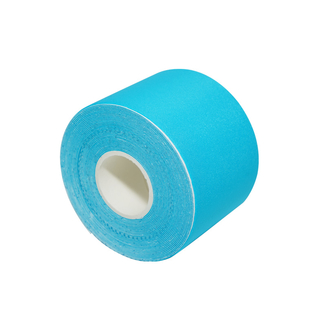
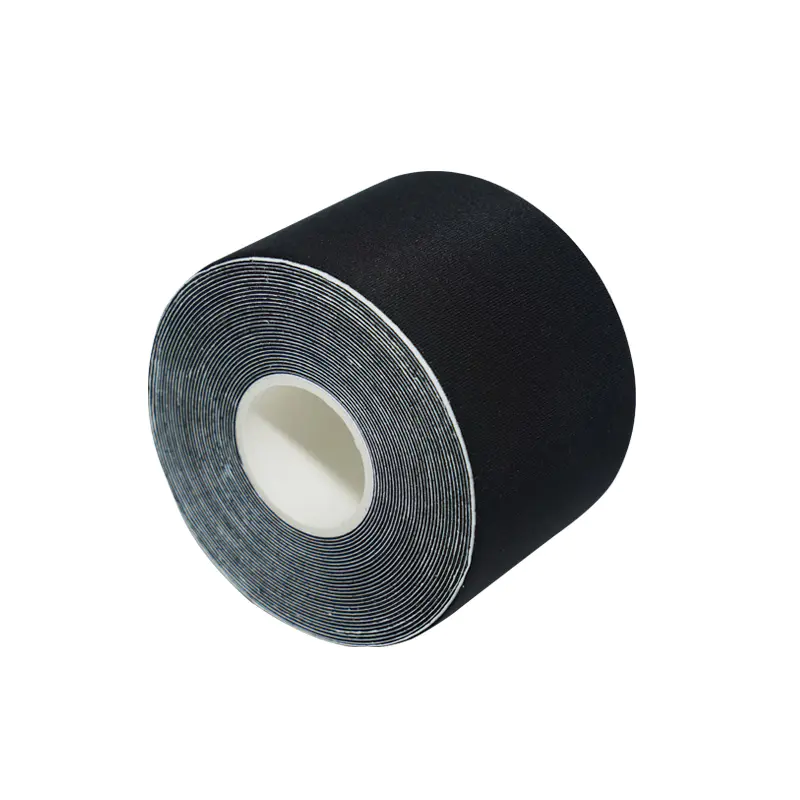
Kinesiology tape is sold in two primary formats: pre-cut application strips and continuous rolls. Pre-cut strips come in standardized shapes — I-strips, Y-strips, X-strips, and fan or web cuts — sized for specific body areas. They are convenient for self-application and consistent results without requiring tape-cutting skills, but the fixed shapes may not be perfectly suited to all body sizes or application variations. Continuous rolls (typically 5cm × 5m or 5cm × 32m for clinical bulk use) allow custom cutting of any length and shape, providing flexibility for practitioners and experienced self-tapers. For beginners, pre-cut strips for the specific body area being treated are the practical starting point. For practitioners treating multiple body parts across many patients, bulk rolls are significantly more cost-effective.
Kinesiology tape application is more technique-sensitive than most users initially expect. The same tape product applied with different tension, direction, or skin preparation can produce noticeably different results. These core principles apply to virtually every application:
Tension refers to how much the tape is stretched during application relative to its resting length. Different tension levels target different therapeutic goals:
Removing kinesiology tape incorrectly is a more common problem than most people expect, particularly for those with sensitive skin or who have been wearing the tape for multiple days. The acrylic adhesive strengthens its bond over time, and the longer the tape has been worn, the more carefully it needs to be removed. Pulling tape off quickly or at a steep angle — the way you might remove a plaster — causes skin trauma, erythema, and in some cases, superficial skin tears, particularly in elderly users or individuals on anticoagulant medications.
The correct removal technique is to peel the tape back slowly and parallel to the skin surface — not up and away from it. Support the skin ahead of the peeling edge with your other hand to prevent the skin being pulled forward with the tape. Work in small increments, re-saturating the adhesive with an oil-based product if resistance is high. Baby oil, body oil, or specific adhesive remover sprays designed for kinesiology tape break down the acrylic adhesive effectively without damaging the skin. Apply the oil to the tape edge and allow it to soak under the tape for 30 to 60 seconds before continuing to peel. In the shower, warm water softens both the fabric and adhesive, making removal easier — however, wet skin is also more vulnerable to mechanical trauma, so the gentle parallel-peel technique is even more important when removing tape in the shower.
Kinesiology tape is a low-risk intervention for most people, but there are specific situations where it should not be used or should be used with particular caution:
The market for sports kinesiology tape is large and variable in quality. A few specific product characteristics distinguish clinically effective, durable tape from cheaper alternatives that peel within hours and provide minimal therapeutic benefit.
 NO.89 Duanshu Road, Xinggong Road, Pinghu City, Zhejiang Province, China
 [email protected]
 +86-(0)573-8507 6991
Copyright © hero-medical.com. All Rights Reserved
 Wholesale Sport Tape Manufacturers
China Sport Tape Suppliers
Wholesale Sport Tape Manufacturers
China Sport Tape Suppliers
The information provided on this website is intended for use only in countries and jurisdictions outside of the People's Republic of China.
 English
 Espana
 Français
 Deutsch