

Content
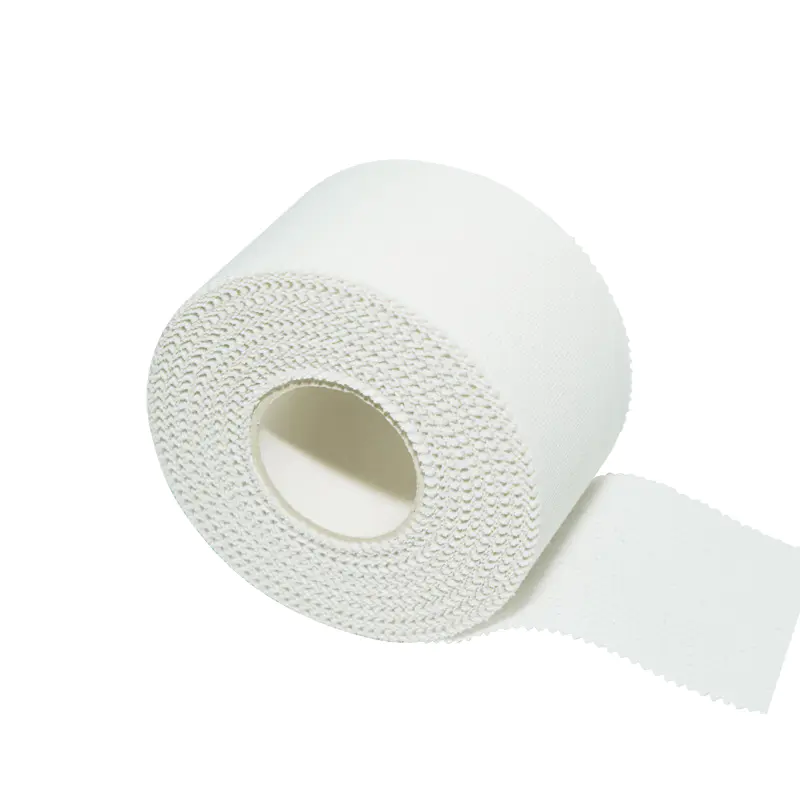
If you have ever watched boxers, MMA fighters, or basketball players wrap their hands and fingers before stepping onto the court or into the ring, there is a good chance rayon finger tape was part of that routine. This lightweight, semi-rigid tape is specifically designed to support and protect fingers and joints during high-impact or repetitive motion activities, without restricting the natural flexibility needed for grip and movement. Unlike bulkier athletic tapes, rayon finger tape strikes a balance between firm support and comfortable wear, which is exactly why it has become a staple in sports medicine kits and athletic training rooms.
Made from a blend of rayon fibers, this tape offers a smooth, slightly stretchy texture that conforms closely to the shape of fingers and hands. It is commonly used not just in combat sports but also in basketball, volleyball, climbing, and any activity where finger joints face repeated stress or risk of hyperextension. Understanding how rayon finger tape works and how to apply it properly can make a real difference in injury prevention and performance confidence.
Not all athletic tapes are created equal, and the specific properties of rayon finger tape make it particularly suited for finger and joint support. The table below highlights the core characteristics that distinguish it from other taping materials.
| Property | Benefit |
| Rigid weave structure | Provides firm joint stabilization to limit hyperextension |
| Breathable rayon fibers | Reduces sweat buildup during extended wear |
| Strong adhesive backing | Keeps tape secure through sweat and repeated movement |
| Easy tear by hand | Allows quick application without scissors |
| Narrow width options | Fits precisely around individual fingers and joints |
This combination of firm support and breathability is what makes rayon finger tape different from stretchy kinesiology tape, which prioritizes flexibility over rigid stabilization, and from heavier cloth tapes, which can be too bulky for finger-specific use.
In boxing, MMA, and Muay Thai, rayon finger tape is often used alongside hand wraps to reinforce finger joints before gloves go on, helping absorb the repeated impact of striking and reducing the risk of joint sprains or dislocations during training and competition. Fighters often use it specifically around the base of the fingers where hyperextension injuries are most common.
Ball-handling sports like basketball and volleyball place significant strain on finger joints from repeated catching, dribbling, and blocking motions. Many players use rayon finger tape as a preventive measure on previously injured fingers or as a buddy taping method, where an injured finger is taped alongside a healthy neighboring finger for added stability during play.
Climbers frequently rely on rayon finger tape to support finger joints and tendons that experience intense loading during crimping and gripping small holds. Because climbing places unusual stress specifically on finger pulleys and joints, many climbers use targeted taping techniques to reduce strain during long training sessions or competitions.
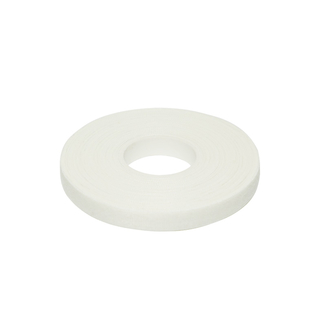
Proper application technique matters just as much as the tape itself when it comes to getting real support benefits. Rushed or incorrect taping can restrict circulation or fail to provide adequate joint stabilization. Here is a general step-by-step approach many trainers recommend.
Athletes recovering from a specific finger injury should always consult with a certified athletic trainer or sports medicine professional to confirm the correct taping technique for their situation, since improper taping can sometimes do more harm than good.
Rayon finger tape typically comes in narrower widths, often around half an inch, specifically sized for finger application rather than larger joints like ankles or wrists. Choosing the correct width makes it easier to achieve clean, even wraps without excess bulk between fingers.
High-sweat activities like combat sports or intense cardio training require tape with stronger adhesive backing to prevent slipping mid-session. Reading product specifications or trying a small sample roll before bulk purchasing can help confirm that a specific rayon finger tape holds up under your typical training conditions.
Some athletes have sensitive skin that reacts to certain adhesives, leading to irritation or mild allergic reactions with prolonged tape use. Hypoallergenic rayon finger tape options are available and worth considering for athletes who tape frequently or have a history of skin sensitivity.
Being mindful of these common mistakes helps athletes get the full protective benefit of rayon finger tape without introducing new problems along the way.
Whether you are a competitive fighter, a weekend basketball player, or a dedicated rock climber, rayon finger tape offers a practical way to protect finger joints from the repeated stress that comes with high-impact and grip-intensive activities. Taking the time to choose the right width and adhesive strength, and applying it with proper technique, can help prevent injuries and keep you performing at your best session after session.
 NO.89 Duanshu Road, Xinggong Road, Pinghu City, Zhejiang Province, China
 [email protected]
 +86-(0)573-8507 6991
Copyright © hero-medical.com. All Rights Reserved
 Wholesale Sport Tape Manufacturers
China Sport Tape Suppliers
Wholesale Sport Tape Manufacturers
China Sport Tape Suppliers
The information provided on this website is intended for use only in countries and jurisdictions outside of the People's Republic of China.
 English
 Espana
 Français
 Deutsch