

Content
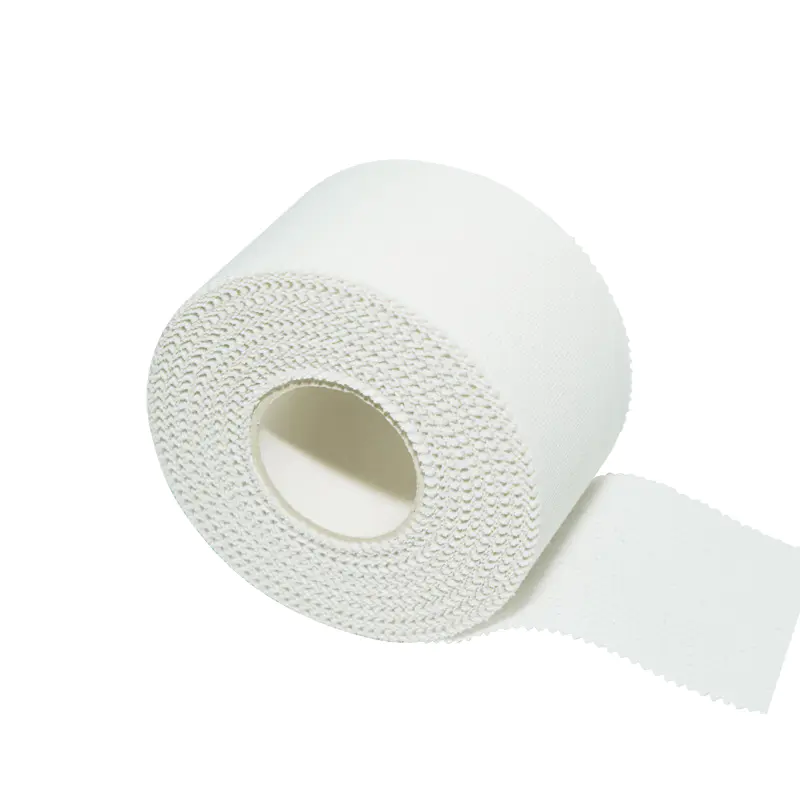
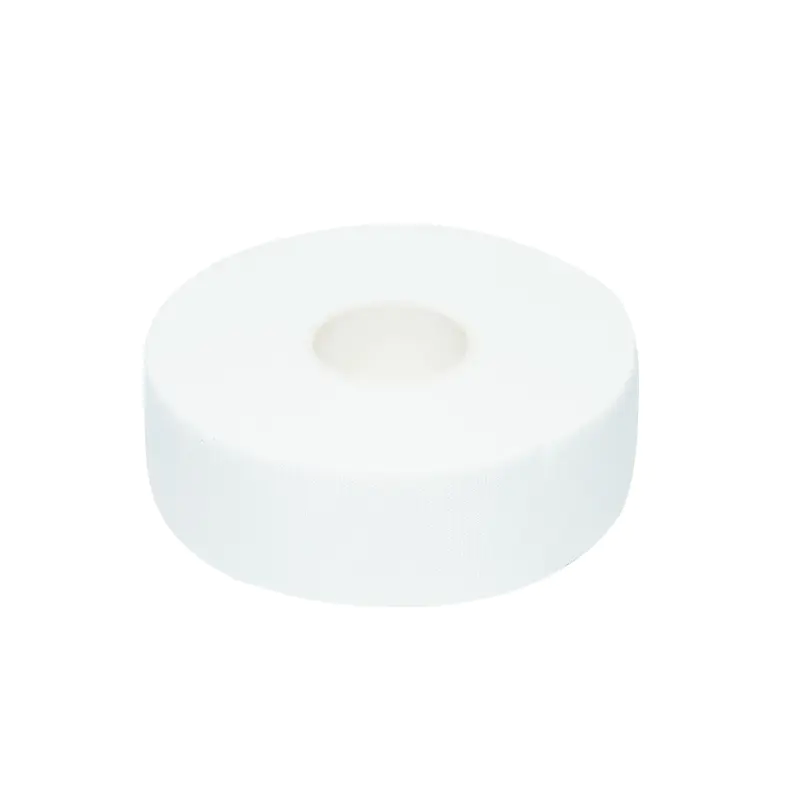
Rayon rigid strapping tape is a reinforced adhesive tape made using rayon fibers embedded within its structure to give it exceptional tensile strength and rigidity. Unlike standard packing tape, which relies mostly on its adhesive to hold items in place, rigid strapping tape is built to physically resist stretching, tearing, and shifting under load. The rayon fiber reinforcement runs through the tape's core, giving it a stiffness that behaves more like a strap than a typical adhesive tape.
This rigidity is exactly what makes it useful for applications where standard tape simply isn't strong enough. Instead of stretching or giving way under tension, rayon rigid strapping tape holds its shape and keeps bundled or palletized items secure, even when subjected to movement during shipping and handling.
The biggest difference between rayon rigid strapping tape and regular packing tape comes down to structural behavior under stress. Standard packing tape, even reinforced filament versions, tends to stretch slightly before failing. Rayon rigid tape, by contrast, is engineered to resist that stretch almost entirely, which makes it far more predictable and reliable for load-bearing applications.
| Property | Rayon Rigid Strapping Tape | Standard Packing Tape |
| Stretch Resistance | Very High | Low to Moderate |
| Tensile Strength | High | Low to Moderate |
| Rigidity | Stiff, strap-like | Flexible |
| Typical Use | Bundling, palletizing, heavy loads | Sealing boxes, light packaging |
This is why rayon rigid strapping tape is often chosen specifically for situations where standard tape would eventually stretch loose or fail under vibration and movement during transit.
Because of its strength and rigidity, this tape shows up in industries where secure bundling and load stability are essential.
In each of these cases, the rigid, non-stretch nature of the tape prevents the bundled items from shifting or loosening, which reduces the risk of damage during handling and transport.
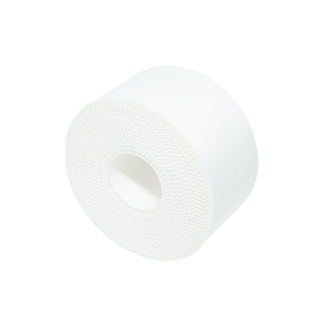
Not every rigid strapping tape performs identically, so it's worth evaluating a few specifications before committing to a supplier or product line.
The adhesive backing needs to bond firmly to the surface it's applied to, whether that's cardboard, plastic, or metal packaging. Weak adhesive can cause the tape to lift at the edges even if the rayon core itself holds strong.
Wider and thicker tapes generally offer higher load-bearing capacity, but they also cost more per roll. Matching the tape specification to the actual weight and size of what you're securing helps avoid overspending on unnecessary strength.
If shipments are exposed to humidity, temperature swings, or rough handling, it's worth confirming the tape's resistance to these conditions, since some adhesive formulations perform better than others in extreme environments.
Getting the most out of rayon rigid strapping tape isn't just about picking the right product — application technique matters too.
Following these basic application practices helps ensure the tape performs as expected, especially for shipments traveling long distances or through multiple handling points.
For businesses ordering rayon rigid strapping tape at scale, it's worth requesting product samples first to test real-world performance against your specific packaging needs. Ask suppliers about minimum order quantities, roll length options, and whether custom widths are available for specialized applications.
It's also good practice to confirm batch consistency, since variations in adhesive strength or rayon density between production runs can lead to unpredictable performance. A supplier who can provide consistent quality documentation or testing data is generally a safer long-term choice for businesses that depend on reliable packaging integrity.
 NO.89 Duanshu Road, Xinggong Road, Pinghu City, Zhejiang Province, China
 [email protected]
 +86-(0)573-8507 6991
Copyright © hero-medical.com. All Rights Reserved
 Wholesale Sport Tape Manufacturers
China Sport Tape Suppliers
Wholesale Sport Tape Manufacturers
China Sport Tape Suppliers
The information provided on this website is intended for use only in countries and jurisdictions outside of the People's Republic of China.
 English
 Espana
 Français
 Deutsch