

If you've ever fumbled with metal clips or safety pins while trying to wrap a sprained ankle, you already know why the self-adhesive bandage has become a staple in home first aid kits, gym bags, and sports medicine cabinets. Unlike traditional gauze that needs tape or clips to stay put, a self-adhesive bandage sticks to itself rather than to your skin, which means faster application, fewer supplies, and a lot less hassle when you're dealing with an injury. This guide walks through everything you need to know about choosing, using, and caring for self-adhesive bandages so you get the most out of every roll.
Content
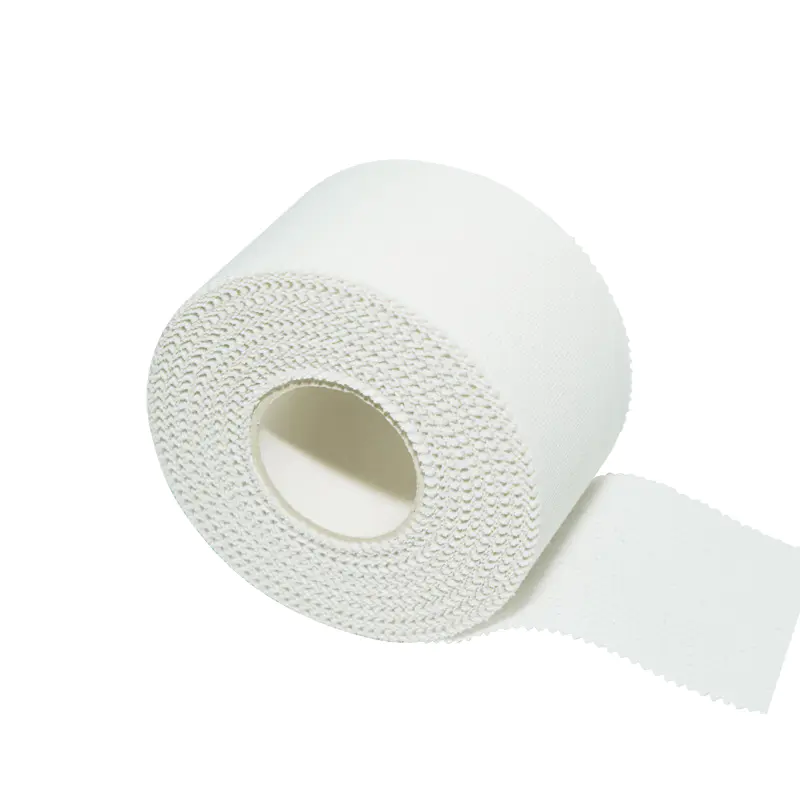
A self-adhesive bandage, sometimes called a cohesive bandage or self-adherent wrap, is made from a stretchy, porous material coated with a light adhesive that only bonds to itself when pressed together. That's the key difference between it and a standard adhesive bandage like a Band-Aid, which uses a sticky pad that adheres directly to your skin. Because a self-adhesive bandage doesn't touch skin with glue, it's far gentler on hair and sensitive areas, and it won't leave behind sticky residue when removed. It also stretches and conforms to the shape of a joint or muscle, which makes it ideal for wrapping curved or moving body parts like wrists, knees, and elbows.
Most self-adhesive bandages are woven from a blend of non-woven fabric, latex, or synthetic rubber threads. The latex-based versions offer excellent elasticity and are popular in athletic settings, while latex-free versions made from polyester or cotton blends are better suited for people with latex allergies. Manufacturers often add a breathable weave so that skin underneath can still get airflow, reducing the risk of moisture buildup during long wear.
Self-adhesive bandages aren't a one-size-fits-all solution, but they shine in a specific set of situations. Knowing when to use one versus a traditional dressing can save you time and help your injury heal properly.
Applying a self-adhesive bandage seems simple, but doing it incorrectly can cause discomfort or even restrict blood flow. Follow these steps to make sure your wrap is both effective and safe.
If the skin below the wrap turns pale, blue, or feels cold and tingly, that's a clear signal to unwrap and reapply with less tension. A properly applied self-adhesive bandage should feel supportive, not constricting, and you should always be able to slide a finger comfortably underneath the wrap.
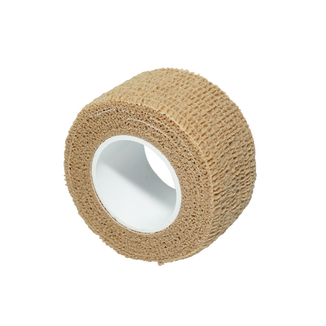
Not every self-adhesive bandage is built the same way, and picking the right type depends on where and why you're using it. The table below breaks down common types and their best uses to help you decide which one belongs in your kit.
| Type | Best Use | Width |
| Lightweight cohesive wrap | Securing gauze on small cuts | 1–2 inches |
| Elastic athletic wrap | Joint support during sports | 2–3 inches |
| Heavy-duty compression wrap | Sprains and swelling reduction | 3–4 inches |
| Veterinary self-adhesive wrap | Wrapping pet paws or legs | 2 inches |
To keep a self-adhesive bandage effective for its next use, store it in a cool, dry place away from direct sunlight, since heat and humidity can weaken the adhesive fibers over time. Keep the roll wrapped tightly and sealed in its original packaging or a resealable bag once opened, as exposure to air can cause the material to dry out and lose its stretch. Most rolls remain usable for one to two years when stored properly, but it's worth checking the elasticity before each use; if the bandage feels stiff or no longer clings to itself, it's time to replace it.
Many self-adhesive bandages can be reused for non-wound purposes, such as securing an ice pack, as long as they haven't come into direct contact with blood or an open wound. For anything used on broken skin, it's best practice to discard the wrap after use to avoid contamination and reduce infection risk.
Even a simple product like a self-adhesive bandage can be misused in ways that reduce its effectiveness or cause discomfort. Being aware of these common pitfalls can help you get better results every time you reach for one.
A self-adhesive bandage is one of those small first aid tools that makes a real difference when you know how to use it well. Whether you're stabilizing a sprained ankle, holding gauze in place, or supporting a joint during a workout, understanding the right type, application technique, and storage habits will help you get reliable results every time you need one.
 NO.89 Duanshu Road, Xinggong Road, Pinghu City, Zhejiang Province, China
 [email protected]
 +86-(0)573-8507 6991
Copyright © hero-medical.com. All Rights Reserved
 Wholesale Sport Tape Manufacturers
China Sport Tape Suppliers
Wholesale Sport Tape Manufacturers
China Sport Tape Suppliers
The information provided on this website is intended for use only in countries and jurisdictions outside of the People's Republic of China.
 English
 Espana
 Français
 Deutsch