

Content
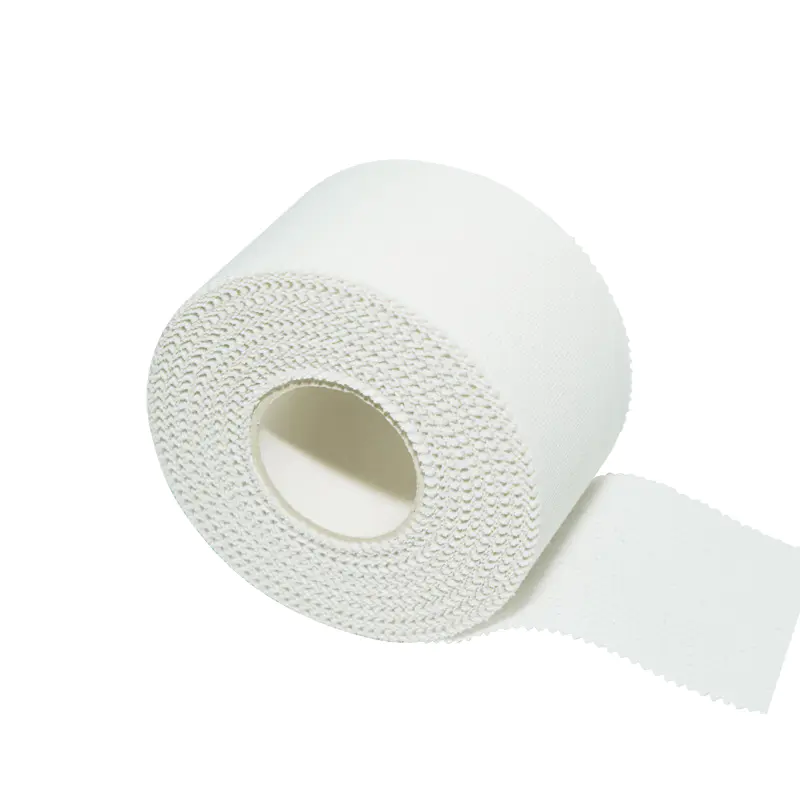
Self-adhesive bandages, also known as cohesive bandages, are a type of medical dressing that adheres to itself rather than the skin. This unique property allows them to provide firm support to wounds, sprains, and muscle injuries without the need for clips, pins, or adhesive tapes that can irritate sensitive skin. These bandages are widely used in both medical and sports settings due to their convenience, flexibility, and ease of application.
Modern self-adhesive bandages are designed with features that enhance patient comfort and wound care efficiency. Understanding these features can help users select the right bandage for specific needs.
Self-adhesive bandages are highly elastic, allowing them to conform to different body contours. This flexibility ensures proper compression and support for joints and muscles while permitting a natural range of motion.
These bandages are typically made from breathable woven fabrics or non-woven materials that allow air circulation, minimizing the risk of skin irritation and promoting faster wound healing. Their soft texture also ensures long-term comfort during wear.
High-quality self-adhesive bandages are water-resistant, enabling patients to maintain hygiene without removing the bandage frequently. Their durable cohesion prevents unraveling, ensuring consistent support over time.
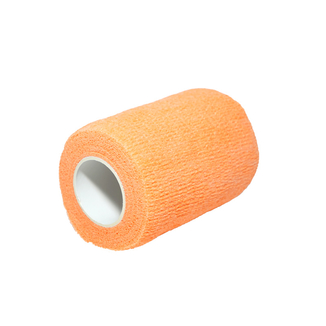
Self-adhesive bandages serve multiple purposes in both healthcare and athletic environments, providing targeted support and protection.
These bandages are ideal for covering minor cuts, abrasions, and surgical wounds. By securing gauze pads in place without adhesives that stick to the skin, they reduce pain and prevent disruption of the healing tissue.
Athletes and patients recovering from injuries often use self-adhesive bandages to stabilize joints such as ankles, wrists, and knees. The bandage applies gentle compression, reduces swelling, and limits movement that could aggravate the injury.
Self-adhesive bandages are frequently used in post-surgical care to secure dressings. They are also popular in veterinary medicine, as they can provide support and protection to animals without adhesives that may irritate fur or skin.
Correct application of self-adhesive bandages ensures maximum support and comfort. Follow these practical steps for effective use:
Selecting the appropriate bandage depends on the specific application, size of the injury, and required support. Consider the following:
Self-adhesive bandages combine convenience, comfort, and effectiveness, making them an indispensable tool in both medical and sports settings. Their ability to conform to body contours, provide secure compression, and avoid skin irritation ensures optimal wound care and injury support. Whether for minor injuries, post-surgical protection, or athletic applications, these bandages continue to revolutionize the approach to everyday first aid and professional medical care.
 NO.89 Duanshu Road, Xinggong Road, Pinghu City, Zhejiang Province, China
 [email protected]
 +86-(0)573-8507 6991
Copyright © hero-medical.com. All Rights Reserved
 Wholesale Sport Tape Manufacturers
China Sport Tape Suppliers
Wholesale Sport Tape Manufacturers
China Sport Tape Suppliers
The information provided on this website is intended for use only in countries and jurisdictions outside of the People's Republic of China.
 English
 Espana
 Français
 Deutsch