

Content
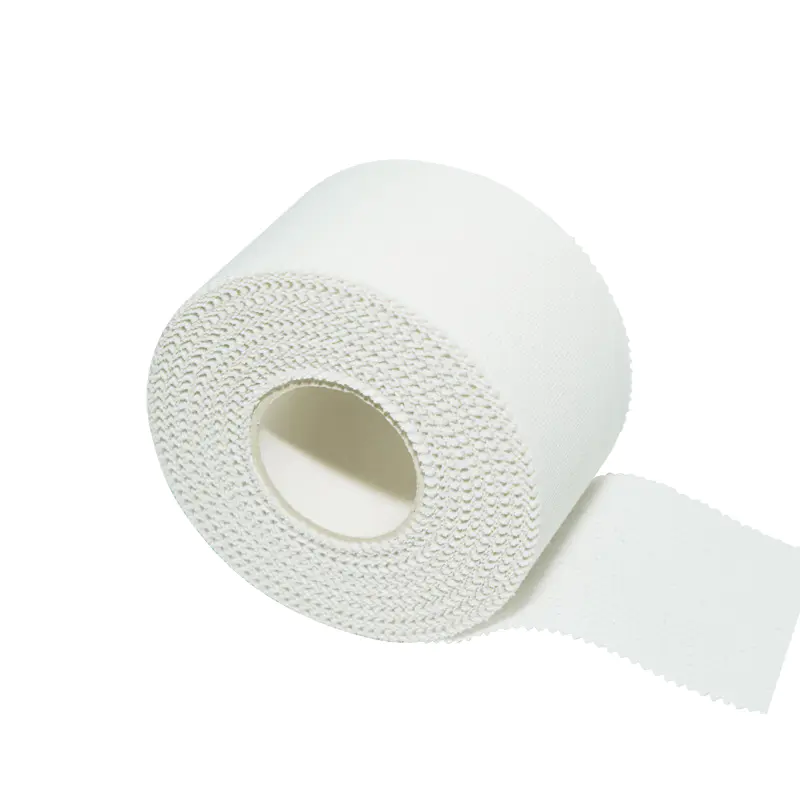
An adhesive patch is a flexible material coated with a pressure-sensitive adhesive that allows it to stick securely to skin or surfaces without additional fasteners. These patches are widely used in medical, cosmetic, and industrial applications due to their ease of use, portability, and effectiveness.
Adhesive patches can deliver medication, protect wounds, or provide targeted treatment through transdermal absorption. Depending on the purpose, materials and adhesive formulations vary to ensure skin compatibility, durability, and performance.
Different adhesive patches are designed for specific functions. Understanding these types helps users select the right product for their needs.
The performance of an adhesive patch largely depends on the materials used in its construction. Each layer plays a specific role in functionality and comfort.
The backing layer provides structural support and protection. It can be made from non-woven fabric, polyurethane film, or plastic, depending on flexibility and breathability requirements.
This is the core functional layer that ensures the patch adheres properly. Medical-grade adhesives are designed to be hypoallergenic and gentle on skin while maintaining strong bonding.
For medicated adhesive patches, this layer contains the active substances that are gradually released into the skin or affected area.
Adhesive patch products are used across multiple industries due to their versatility and effectiveness.
When selecting an adhesive patch, evaluating key technical parameters ensures optimal performance and safety.
| Parameter | Typical Options |
| Adhesive Type | Acrylic, silicone, hydrocolloid |
| Backing Material | Non-woven, PU film, PE film |
| Thickness | 0.1 mm – 1 mm |
| Skin Compatibility | Hypoallergenic, breathable |
| Duration | 6 hours – 7 days |
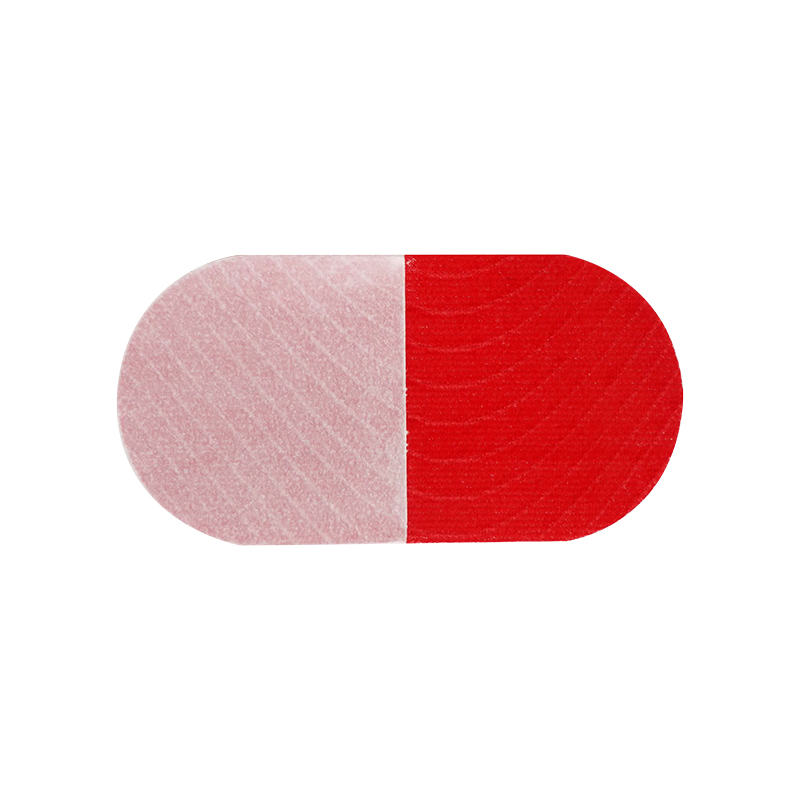
Choosing the correct adhesive patch depends on your intended use and specific requirements. Making an informed decision improves effectiveness and user comfort.
Determine whether the patch is for medical treatment, cosmetic care, or industrial use. Each category requires different materials and adhesive properties.
For skin applications, opt for hypoallergenic adhesive patches to minimize irritation, especially for long-term wear.
The patch should adhere securely without causing discomfort or leaving residue upon removal.
Factors such as humidity, temperature, and movement can affect patch performance. Choose products designed for your specific conditions.
Proper usage ensures maximum effectiveness and safety when using adhesive patches.
Adhesive patches offer a convenient, non-invasive, and versatile solution for various applications. Their ease of use, portability, and effectiveness make them a preferred choice in healthcare, beauty, and industrial sectors.
With ongoing advancements in materials and adhesive technologies, modern adhesive patch products continue to improve in comfort, durability, and functionality, providing users with reliable and efficient solutions.
 NO.89 Duanshu Road, Xinggong Road, Pinghu City, Zhejiang Province, China
 [email protected]
 +86-(0)573-8507 6991
Copyright © hero-medical.com. All Rights Reserved
 Wholesale Sport Tape Manufacturers
China Sport Tape Suppliers
Wholesale Sport Tape Manufacturers
China Sport Tape Suppliers
The information provided on this website is intended for use only in countries and jurisdictions outside of the People's Republic of China.
 English
 Espana
 Français
 Deutsch