

Content
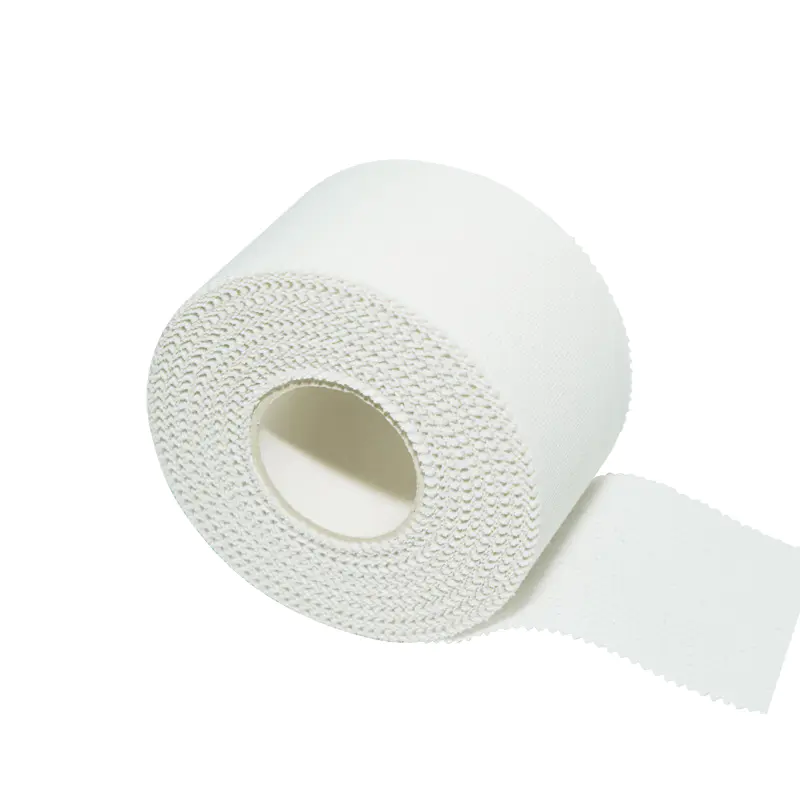
Cotton athletic tape is the cornerstone of sports medicine due to its unique balance of tensile strength and breathability. Unlike synthetic alternatives, 100% cotton backing offers a non-stretch consistency that is vital for rigid immobilization. This material allows moisture to escape through the fibers, reducing the risk of skin maceration during intense physical activity. When applied correctly, the serrated edges—often referred to as "zig-zag" edges—allow for easy hand-tearing, ensuring that trainers can apply support quickly without the need for specialized cutting tools.
The efficacy of cotton tape is largely dependent on its adhesive coating, typically formulated with zinc oxide. This specific adhesive is preferred because it maintains a strong bond even under the heat and friction of competitive play. Furthermore, zinc oxide is known for its mild antiseptic properties, which helps protect the skin barrier against irritation. The adhesive is applied in a porous manner to ensure that the skin can still "breathe," preventing the buildup of sweat that could lead to the tape slipping mid-game.
Athletic tape is primarily utilized to limit the range of motion in specific joints, thereby protecting ligaments and tendons from overextension. This is particularly critical in sports involving lateral movements, such as basketball or soccer. By creating a "functional bridge" across a joint, the tape absorbs a portion of the mechanical stress that would otherwise be placed on the biological tissue. It is most commonly applied to ankles, wrists, and fingers to provide immediate stability after a minor sprain or as a preventative measure for athletes with a history of instability.
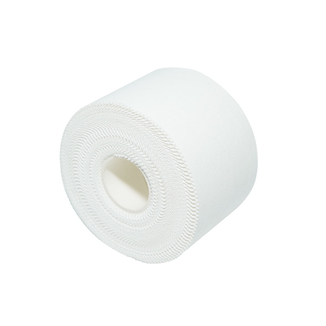
While there are various types of sports tapes available on the market, cotton rigid tape serves a distinct purpose compared to elastic or kinesiology tapes. Understanding these differences is essential for choosing the right support for a specific injury or training goal. The table below outlines the performance characteristics of cotton tape versus other common materials.
| Feature | Cotton Athletic Tape | Kinesiology Tape | Elastic Adhesive Bandage |
| Elasticity | None (Rigid) | High (140%+) | Moderate |
| Primary Goal | Joint Immobilization | Neuromuscular Feedback | Compression/Support |
| Tearability | Easy by hand | Requires Scissors | Requires Scissors |
The effectiveness of cotton athletic tape is highly dependent on the preparation of the skin and the tension of the wrap. To ensure maximum adhesion, the target area should be clean, dry, and ideally free of hair. Using a pre-tape spray or a thin layer of foam underwrap can protect sensitive skin from the adhesive while maintaining a secure fit. It is vital to avoid "windows"—small gaps in the tape—which can cause localized swelling or "tape cuts" due to uneven pressure distribution.
Because cotton tape uses a strong adhesive, removal should be handled with care to avoid skin irritation. Using bandage scissors or specialized tape cutters is recommended to slide under the tape without pinching the skin. Pulling the tape in the direction of hair growth while keeping the skin taut will minimize discomfort. After removal, applying a moisturizer or skin balm can help restore the skin's natural hydration and soothe any areas that were under high tension during activity.
 NO.89 Duanshu Road, Xinggong Road, Pinghu City, Zhejiang Province, China
 [email protected]
 +86-(0)573-8507 6991
Copyright © hero-medical.com. All Rights Reserved
 Wholesale Sport Tape Manufacturers
China Sport Tape Suppliers
Wholesale Sport Tape Manufacturers
China Sport Tape Suppliers
The information provided on this website is intended for use only in countries and jurisdictions outside of the People's Republic of China.
 English
 Espana
 Français
 Deutsch