

Content
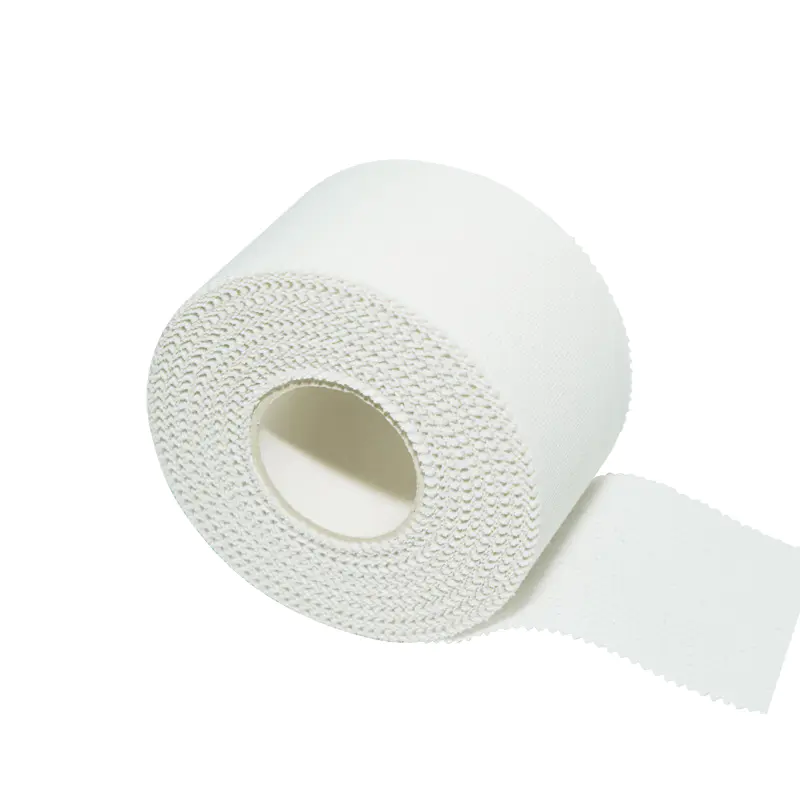
Sports bandage tape is far more than a simple adhesive strip; it is a precision tool designed to provide external stability while maintaining the body’s natural range of motion. Unlike standard medical bandages, high-performance sports tape is engineered with specific tensile strengths and elasticities to mimic the properties of human skin and muscle. By applying the tape strategically, athletes can offload stress from overused tendons, compress soft tissue to manage inflammation, and provide a tactile cue to the nervous system. This mechanical support is vital during high-intensity movements where the risk of joint hyperextension or ligament strain is at its peak.
The efficacy of a wrap depends largely on the material composition. Zinc oxide tapes offer rigid stabilization for joints like the ankle, while kinesiology tapes provide dynamic support that moves with the athlete. Choosing the right tape requires an understanding of the specific physical demands of your sport. For instance, a powerlifter may require heavy-duty rigid strapping to secure a wrist, whereas a marathon runner might opt for breathable, synthetic microfibers that withstand sweat and friction over several hours of repetitive motion.
Selecting the appropriate tape is the first step in effective injury management. The following table breaks down the most common types of sports bandage tapes used by trainers and physical therapists today:
| Tape Type | Primary Function | Common Application |
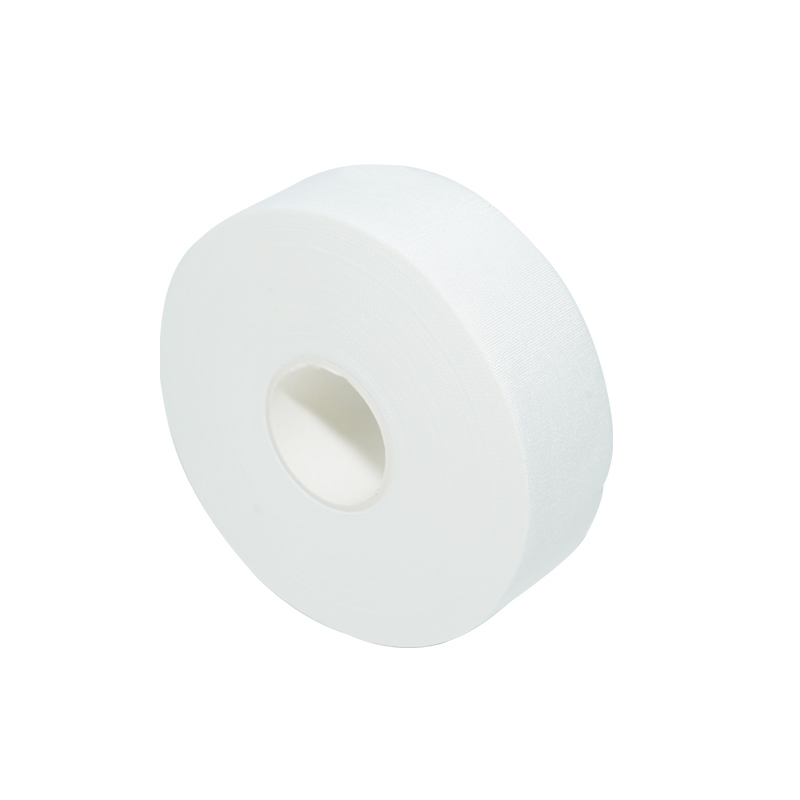
| Zinc Oxide (Rigid) | Joint Immobilization | Ankle strapping, finger splinting |
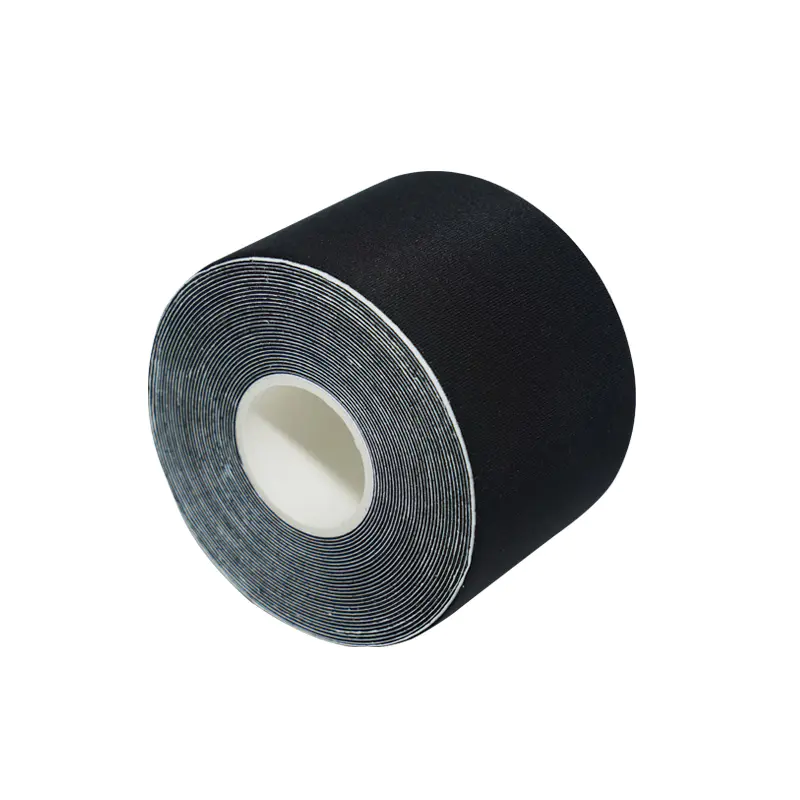
| Kinesiology (Elastic) | Neuromuscular feedback | Muscle strains, postural correction |
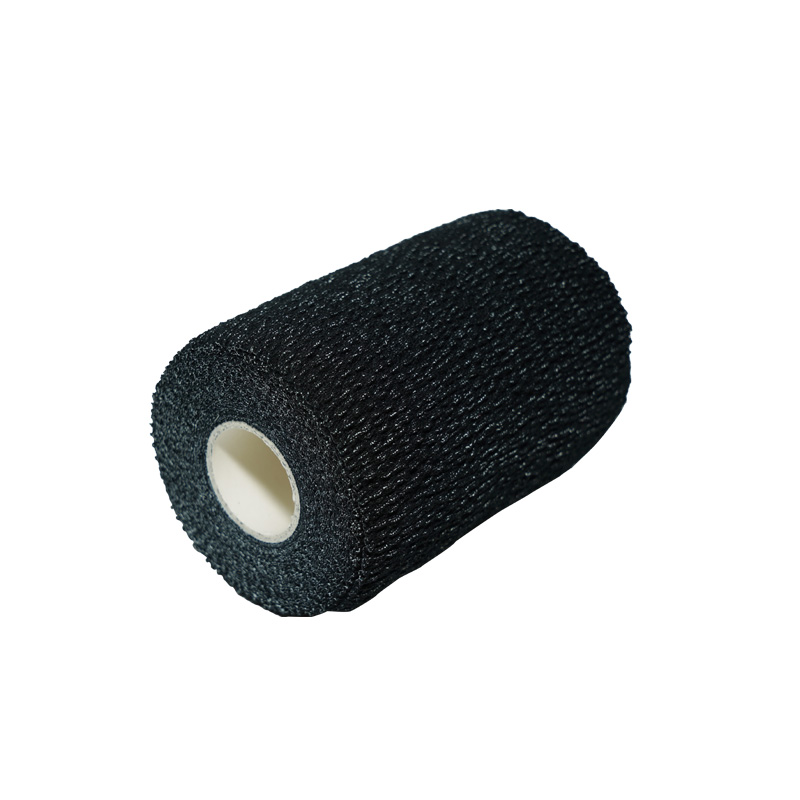
| EAB (Elastic Adhesive) | Compression & Support | Knee wrapping, thigh strains |
| Cohesive Bandage | Non-slip compression | Quick field repairs, ice pack securement |
To ensure the sports bandage tape remains effective throughout a game or workout, proper skin preparation is non-negotiable. Adhesive fail is often caused by skin oils, sweat, or hair. Always clean the area with mild soap or an alcohol prep pad and ensure it is completely dry. In many professional settings, a "pre-wrap" foam or an adhesive spray is used to protect the skin from irritation and provide a tackier surface for the tape to grip. This is particularly important for athletes with sensitive skin or those competing in humid environments where moisture can compromise the bond.
Applying tape with the correct amount of tension is a skill that separates amateurs from professionals. Too much tension can restrict blood flow (ischemia) or cause skin blistering, while too little tension fails to provide the necessary support. When using elastic tapes, the general rule is to apply 25% to 75% stretch depending on whether the goal is lymphatic drainage or structural support. For rigid tapes, the goal is often "locking" a joint; therefore, the tape should be laid down firmly but without creating a tourniquet effect that numbs the extremities.
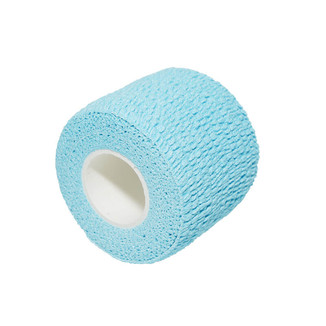
Maintaining the integrity of the wrap during activity requires attention to detail. Once the tape is applied, heat-sensitive adhesives often require a quick rub with the hands to "activate" the bond. During the activity, if the edges begin to peel, they should be trimmed immediately to prevent the entire strip from being pulled off by clothing or contact. Following these protocols ensures that the therapeutic benefits of the bandage persist from the first whistle to the final buzzer.
By mastering these nuances of sports bandage tape, athletes can significantly reduce their downtime and perform with the confidence that their joints and muscles are reinforced against the rigors of competition.
 NO.89 Duanshu Road, Xinggong Road, Pinghu City, Zhejiang Province, China
 [email protected]
 +86-(0)573-8507 6991
Copyright © hero-medical.com. All Rights Reserved
 Wholesale Sport Tape Manufacturers
China Sport Tape Suppliers
Wholesale Sport Tape Manufacturers
China Sport Tape Suppliers
The information provided on this website is intended for use only in countries and jurisdictions outside of the People's Republic of China.
 English
 Espana
 Français
 Deutsch