

The self-adhesive bandage, commonly known by brand names like Band-Aid, is a small yet mighty invention that has become an indispensable part of our first-aid kits. From scraped knees to paper cuts, this simple device provides a quick, effective solution for minor injuries, protecting wounds and promoting healing. But what exactly makes these ubiquitous little strips work, and how did they come to be?
Content
A self-adhesive bandage is a cleverly engineered, multi-layered device designed to fulfill two main functions: adherence (sticking to the skin) and protection (covering the wound).
A typical bandage consists of three primary components:
The invention of the self-adhesive bandage is a classic story of necessity, ingenuity, and a caring spouse.
In 1920, a cotton buyer named Earle Dickson worked for Johnson & Johnson. His wife, Josephine, was prone to accidents while cooking and doing housework, often requiring bandages. Back then, large gauze and bulky adhesive tape were used, which were difficult for her to apply herself.
Dickson decided to pre-make small, ready-to-use dressings. He took a strip of surgical tape, laid a small square of gauze down the middle, and covered the adhesive with a crinoline fabric to keep it sterile until use. Josephine could easily snip off a piece and apply it immediately.
He showed his invention to his boss, who recognized its enormous potential. Johnson & Johnson began mass-producing the “Band-Aid Brand Adhesive Bandages.” Initially, they were handmade and not very popular, but a simple design change—making them machine-made and individually packaged—turned them into a global success by the 1920s and 1930s.
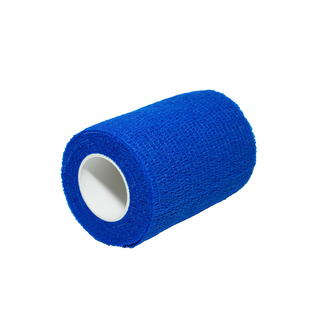
While the basic design remains the same, materials science has led to a fascinating array of specialized bandages.
The self-adhesive bandage is a perfect example of how a simple, thoughtful invention can profoundly impact everyday life, turning minor injury management from a tedious task into a quick, sterile, and effective fix.
 NO.89 Duanshu Road, Xinggong Road, Pinghu City, Zhejiang Province, China
 [email protected]
 +86-(0)573-8507 6991
Copyright © hero-medical.com. All Rights Reserved
 Wholesale Sport Tape Manufacturers
China Sport Tape Suppliers
Wholesale Sport Tape Manufacturers
China Sport Tape Suppliers
The information provided on this website is intended for use only in countries and jurisdictions outside of the People's Republic of China.
 English
 Espana
 Français
 Deutsch