

Content
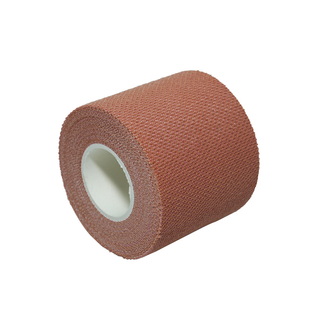
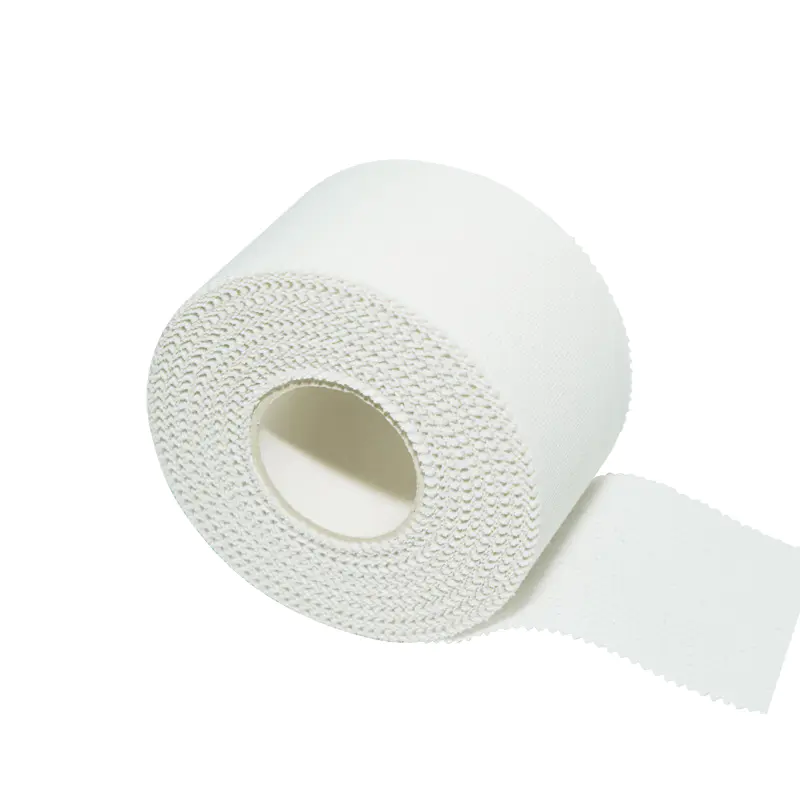
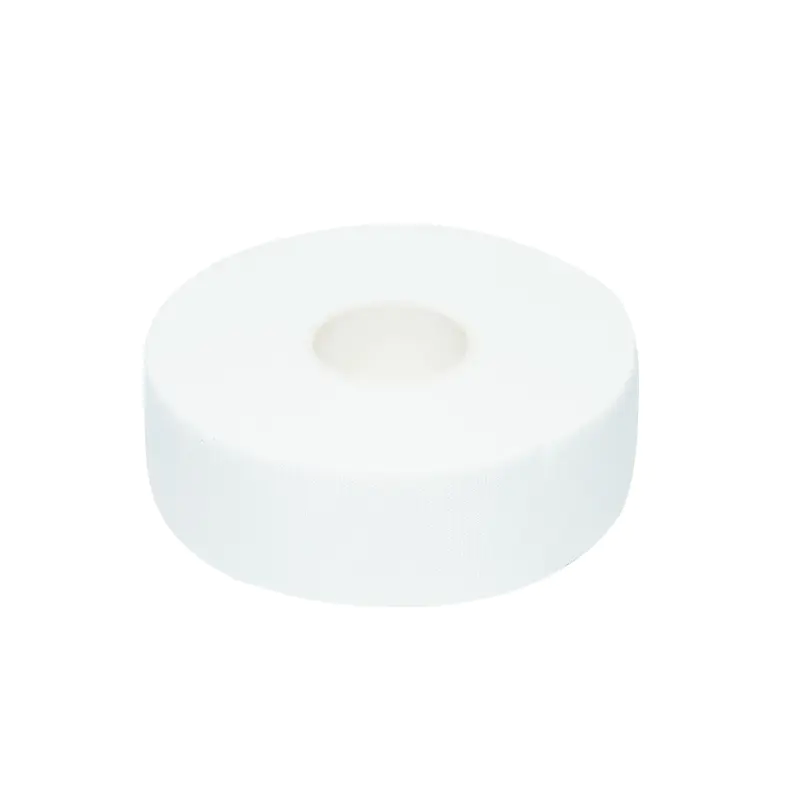
A heavy elastic adhesive bandage (EAB) is a specialized compression tool designed for high-stress support in clinical and athletic settings. Unlike standard lightweight tapes, these bandages are constructed from high-quality twisted cotton yarns that provide superior strength and stretch recovery. The primary intent of a heavy EAB is to limit the range of motion in joints while maintaining enough elasticity to allow for muscle contraction and expansion. This makes them indispensable for treating ligament tears, severe sprains, and chronic joint instability where a "lockdown" effect is required without cutting off circulation.
The "heavy" designation refers to the weight of the fabric and the aggressive nature of the adhesive coating. Most high-grade versions feature a porous zinc-oxide adhesive, which ensures the bandage remains securely in place even under extreme perspiration or friction. This high-tack property is crucial during intense physical activity, ensuring that the structural integrity of the wrap does not degrade over time. By providing a combination of mechanical support and proprioceptive feedback, these bandages help the brain better sense joint position, significantly reducing the risk of re-injury during the rehabilitation phase.
When selecting a heavy elastic adhesive bandage, understanding the technical specifications is vital for ensuring therapeutic efficacy. The performance of the bandage is generally measured by its stretch capacity, adhesive weight, and edge construction. High-performance EABs typically feature feathered or "frayed" edges to prevent the tape from digging into the skin and causing "window edema" or skin blistering. The table below outlines the standard characteristics found in professional-grade heavy EABs:
| Feature | Standard Specification |
| Material Base | 100% High-Twist Cotton Fabric |
| Adhesive Type | Zinc Oxide (Latex or Latex-Free) |
| Elasticity | 150% to 180% Stretch Ratio |
| Porosity | High (To allow skin moisture evaporation) |
In sports like rugby, football, and weightlifting, heavy EABs are used to create "structural casts" for joints such as the ankle, knee, and shoulder. For instance, in a lateral ankle sprain, the bandage is applied in a figure-eight pattern to prevent inversion while still allowing the athlete to run. The heavy fabric resists the forces that would normally cause a lighter tape to snap or roll, providing a consistent level of compression throughout a full match or training session.
Beyond the playing field, heavy elastic adhesive bandages serve a critical role in post-operative care. They are often applied over primary dressings to manage swelling and hematomas. The firm compression helps in flattening the surgical site and reducing the accumulation of interstitial fluid. Because the material is breathable, it can be left in place for extended periods without compromising skin integrity, provided it is applied with the correct tension to avoid tourniquet effects.
To maximize the benefits of a heavy elastic adhesive bandage, the application technique must be precise. Improper application can lead to restricted blood flow or skin irritation. Follow these professional guidelines for the best results:
By adhering to these standards, practitioners can ensure that the heavy elastic adhesive bandage provides the necessary mechanical reinforcement while prioritizing the comfort and safety of the individual. Whether managing an acute injury or providing preventative support, the heavy EAB remains a cornerstone of modern orthopedic and athletic care.
 NO.89 Duanshu Road, Xinggong Road, Pinghu City, Zhejiang Province, China
 [email protected]
 +86-(0)573-8507 6991
Copyright © hero-medical.com. All Rights Reserved
 Wholesale Sport Tape Manufacturers
China Sport Tape Suppliers
Wholesale Sport Tape Manufacturers
China Sport Tape Suppliers
The information provided on this website is intended for use only in countries and jurisdictions outside of the People's Republic of China.
 English
 Espana
 Français
 Deutsch