

Content
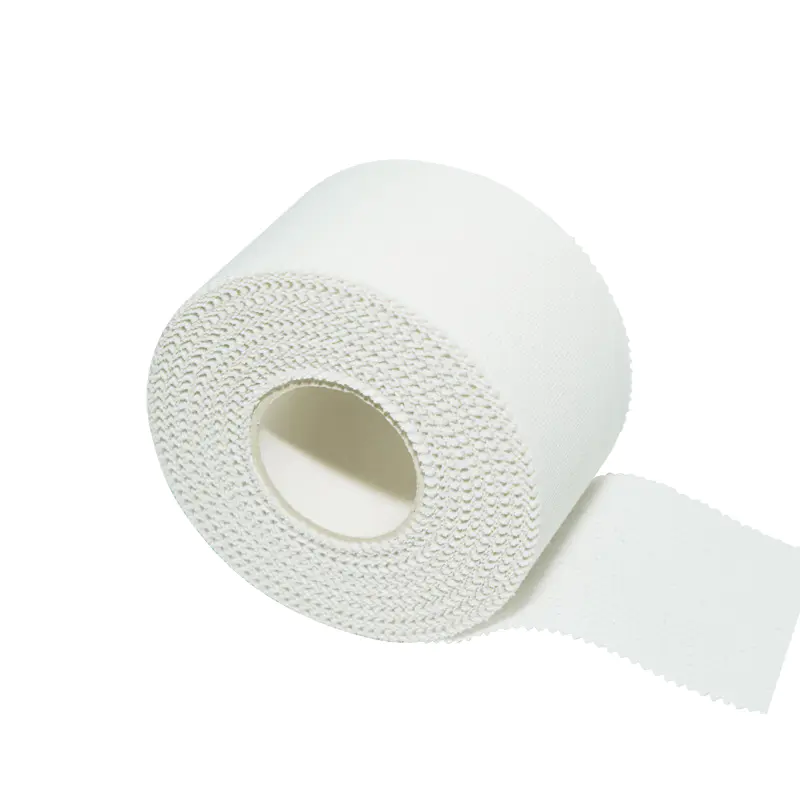
Kinesiology tape is a highly elastic, cotton-based adhesive designed to mimic the weight and flexibility of human skin. Unlike traditional athletic tape, which is rigid and used to immobilize joints, kinesiology tape facilitates movement while providing structural and neurological support. When applied to the body, the tape creates a microscopic lifting effect on the skin’s surface. This "lifting" action increases the space between the dermis and the underlying muscle tissue, which effectively reduces pressure on pain receptors and promotes the efficient flow of blood and lymphatic fluids.
Beyond mechanical lifting, the tape works through sensory stimulation. By constantly interacting with the mechanoreceptors in the skin, it provides the brain with continuous feedback regarding body position and movement. This improved proprioception helps athletes and individuals in rehabilitation maintain better form and avoid movements that could lead to further injury. Because the material is breathable and water-resistant, it can typically be worn for three to five days, offering therapeutic benefits through various activities, including showering and intensive workouts.
The primary goal of using kinesiology tape is to manage pain and accelerate the body’s natural healing processes. By improving lymphatic drainage, the tape is exceptionally effective at reducing edema (swelling) and bruising after an acute injury or post-surgical procedure. This reduction in fluid buildup not only speeds up tissue repair but also restores range of motion more quickly than passive recovery alone.
For athletes, the tape serves as a tool for muscle facilitation or inhibition. Depending on the direction and tension of the application, it can help "wake up" a dormant muscle or relax one that is overactive and prone to cramping. The following table summarizes the primary physiological effects of proper application:
| Benefit | Physiological Mechanism |
| Pain Relief | Decompresses pain receptors and blocks pain signals via the gate control theory. |
| Reduced Swelling | Lifts the skin to create "channels" for lymphatic fluid and blood circulation. |
| Muscle Support | Provides external stability while allowing for a full, natural range of motion. |
| Joint Realignment | Offers tactile cues that encourage proper tracking of joints like the patella. |
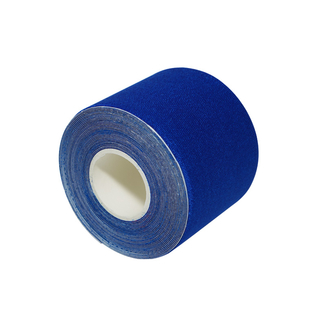
To ensure the tape stays in place and functions correctly, preparation of the skin is the most critical step. Oils, lotions, and sweat can prevent the medical-grade acrylic adhesive from bonding properly. It is recommended to clean the area with rubbing alcohol and ensure the skin is completely dry before application. If the area has dense hair, trimming it can significantly improve the longevity of the tape and make the eventual removal process much more comfortable.
The shape and direction of the tape are tailored to the specific injury or goal. Professionals typically use several standard cuts, including "I" strips for linear muscles, "Y" strips to surround a joint or muscle belly, and "Fan" cuts for edema and swelling. For example, in treating runner’s knee, a "Y" strip is often anchored above the kneecap and wrapped around the patella to improve tracking. For lower back pain, two vertical "I" strips are placed parallel to the spine while the person is in a forward-leaning position to provide postural support.
While kinesiology tape is a versatile tool, it is not a substitute for comprehensive medical care. It is most effective when used as part of a multi-modal treatment plan that includes corrective exercises, stretching, and rest. If you experience increased pain, itching, or redness, the tape should be removed immediately by peeling it back slowly in the direction of hair growth, ideally using baby oil or specialized adhesive remover to minimize skin trauma.
 NO.89 Duanshu Road, Xinggong Road, Pinghu City, Zhejiang Province, China
 [email protected]
 +86-(0)573-8507 6991
Copyright © hero-medical.com. All Rights Reserved
 Wholesale Sport Tape Manufacturers
China Sport Tape Suppliers
Wholesale Sport Tape Manufacturers
China Sport Tape Suppliers
The information provided on this website is intended for use only in countries and jurisdictions outside of the People's Republic of China.
 English
 Espana
 Français
 Deutsch