

Content
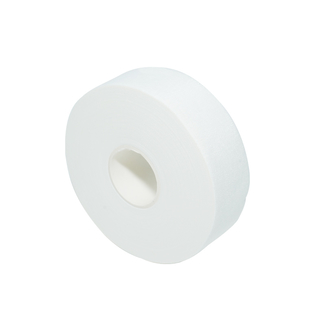
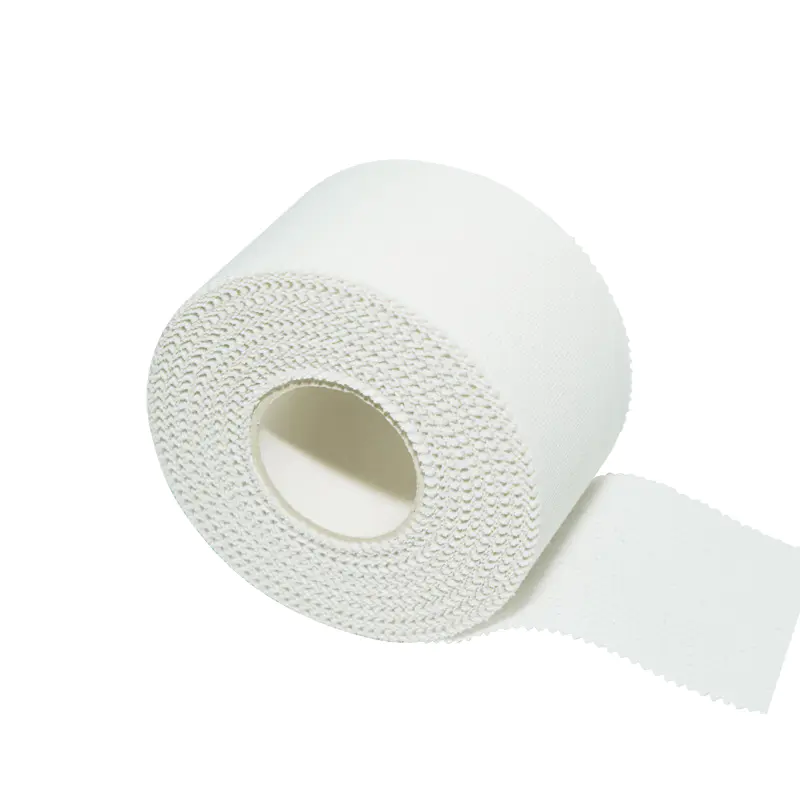
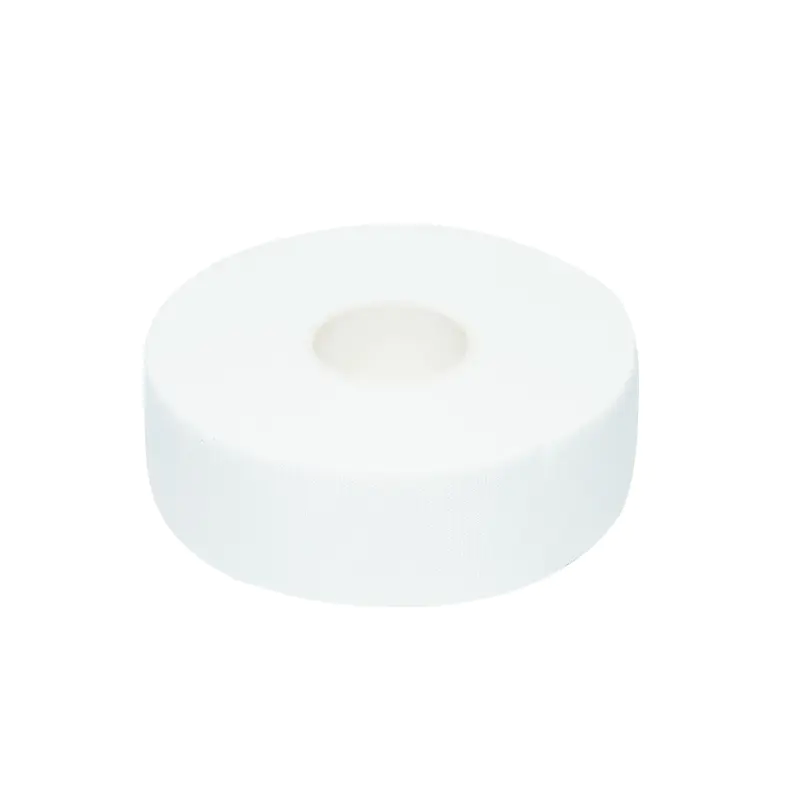
Hockey, the fastest game on ice, is a symphony of speed, skill, and precision. While the spotlight often shines on the players and the puck, one humble item is universally essential to the game: stick tape. And among the various colors available, white hockey tape reigns supreme, dominating the dressing rooms of professional and amateur players alike. But why does this simple strip of adhesive cloth hold such an iconic status, and what’s the science behind its enduring popularity?
To understand the preference for white tape, we must first appreciate the function of taping a stick. Hockey tape serves two primary, yet crucial, purposes:
The choice between white and black hockey tape often sparks passionate debate, but the reasons for white’s dominance extend beyond mere tradition—they involve physics, psychology, and tactical advantages.
The single most cited reason for using white tape on the blade is its optimal contrast against the black puck. This is a matter of visual neuroscience:
While contrast is important for the player using the stick, a fascinating tactical argument suggests that white tape offers a slight advantage in deception against the goalie and opposing defenders.
Beyond the visual and psychological factors, the composition of the tape itself is engineered for performance. Modern white hockey tape is typically a blend of cotton or cotton-polyester cloth, impregnated with a specialized rubber-based adhesive.
The weave of the cloth is designed to be highly durable and resistant to the constant abrasion of the ice and the impact of the puck. A critical feature is the quality of the adhesive. It must withstand:
The combination of a strong, flexible cloth backing and a reliable, water-resistant adhesive makes white hockey tape the functional benchmark for performance in this demanding sport. It’s a testament to how even the most basic equipment, when scientifically refined, can contribute to peak athletic performance.
 NO.89 Duanshu Road, Xinggong Road, Pinghu City, Zhejiang Province, China
 [email protected]
 +86-(0)573-8507 6991
Copyright © hero-medical.com. All Rights Reserved
 Wholesale Sport Tape Manufacturers
China Sport Tape Suppliers
Wholesale Sport Tape Manufacturers
China Sport Tape Suppliers
The information provided on this website is intended for use only in countries and jurisdictions outside of the People's Republic of China.
 English
 Espana
 Français
 Deutsch