

Content
When homeowners or contractors talk about polyurethane foam under wrap, they are usually referring to a two-part insulation system. The first part is the spray or rigid polyurethane foam that acts as the primary thermal barrier. The second part is the protective wrap, which is typically a metal jacket, PVC, or specialized tape that shields the foam from physical damage and UV rays. This combination is incredibly popular because the foam provides the actual insulation value, while the wrap ensures the foam lasts for decades without degrading.
You will often see this setup used in commercial roofing, industrial piping, and residential crawl spaces. The foam expands to fill every tiny gap, creating an airtight seal that traditional fiberglass batts simply cannot match. Once the foam cures, the wrap is applied tightly to protect it from weather, pests, and accidental impacts. Understanding this basic structure helps you see why it is such a reliable choice for long-term energy savings.
Choosing polyurethane foam under wrap for your next project offers several tangible advantages that go beyond just keeping a building warm. Here are the most significant practical benefits you can expect:
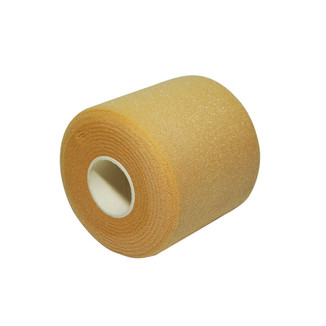
Because polyurethane foam expands to fill irregular spaces, it completely eliminates the air leaks that plague traditional insulation. When you add the protective wrap, you are essentially creating a continuous thermal envelope around your home or building. This means your HVAC system doesn't have to work as hard to maintain comfortable temperatures. Over time, the reduction in heating and cooling costs can actually pay for the initial installation of the polyurethane foam under wrap system.
This insulation method is highly versatile and can be used in a variety of residential and commercial settings. It is particularly useful in areas where moisture and temperature fluctuations are a constant concern.
| Application Area | Why the Wrap is Necessary |
| Exterior Pipes | Prevents freezing and protects foam from UV degradation |
| Metal Roofs | Stops condensation dripping and shields against weather |
| Crawl Spaces | Blocks ground moisture and prevents pest intrusion |
| HVAC Ducts | Maintains air temperature and prevents energy loss |
One of the most common uses for polyurethane foam under wrap is on exterior plumbing. Water pipes exposed to cold air can freeze and burst, causing thousands of dollars in damage. By spraying closed-cell foam directly onto the pipe and then wrapping it in a weather-resistant jacket, you create a bulletproof barrier against the cold. The wrap also prevents the foam from breaking down if it gets rained on or exposed to direct sunlight, which is crucial for outdoor applications.
Getting the most out of your insulation requires proper installation techniques. While spraying foam is often a job for professionals, understanding the process helps you verify the quality of the work. The surface must be completely clean and dry before the foam is applied. Any dirt or moisture can prevent the foam from adhering properly, leading to gaps in your insulation layer.
Once the foam has fully cured, the wrap must be applied without any tears or loose seams. Overlapping the wrap material by at least two inches and sealing the edges with appropriate tape or sealant is critical. This ensures that water cannot sneak behind the wrap and compromise the polyurethane foam under wrap system. Taking these extra steps during installation guarantees that your insulation will perform exactly as intended for years to come.
 NO.89 Duanshu Road, Xinggong Road, Pinghu City, Zhejiang Province, China
 [email protected]
 +86-(0)573-8507 6991
Copyright © hero-medical.com. All Rights Reserved
 Wholesale Sport Tape Manufacturers
China Sport Tape Suppliers
Wholesale Sport Tape Manufacturers
China Sport Tape Suppliers
The information provided on this website is intended for use only in countries and jurisdictions outside of the People's Republic of China.
 English
 Espana
 Français
 Deutsch