

Walk into almost any training room, physiotherapy clinic or sports club and you will eventually see a roll of cotton sports tape being cut, torn and wrapped with quiet efficiency. It is not the flashiest product in the kit bag, but it is one of the most trusted. Cotton sports tape gives athletes and practitioners a familiar balance of breathability, predictable stretch and secure adhesion, which is why it has remained a practical choice across court sports, field sports, gym work and everyday movement.
From a manufacturer’s point of view, that trust is earned roll by roll. The cotton weave, adhesive coating, unwind tension, width tolerance and packaging all influence how the tape feels in use. For a step-by-step application walkthrough, see our cotton athletic tape guide.
Content
Cotton sports tape is usually a woven cotton strip coated with a pressure-sensitive adhesive. Unlike highly elastic kinesiology tapes, many cotton sports tapes are designed for firmer support, so they are often used for strapping, stabilising and protecting joints during activity. The cotton base allows air to move through the tape more readily than a solid synthetic film, which can feel more comfortable during long training sessions or warm conditions.
That does not mean every cotton tape behaves the same way. A tape intended for ankle strapping may need a different adhesive, stretch level and tear strength from a tape used for light fixation or finger protection. Buyers should look beyond the word “cotton” and consider the full construction: thread count, adhesive mass, elongation, roll width and how cleanly the tape tears by hand.
| Consideration | Cotton sports tape | What it means in practice |
|---|---|---|
| Breathability | Generally good | Helps reduce trapped heat during longer wear |
| Support feel | Firm and predictable | Useful for strapping and joint stabilisation |
| Conformability | Moderate | Works well on ankles, wrists and fingers with proper technique |
| Tearing | Usually clean by hand | Faster application during training or competition |
| Best fit | Rigid or semi-rigid support | Choose synthetic options when waterproofing is essential |
Cotton sports tape is versatile, but it is not a substitute for diagnosis or proper rehabilitation. Its main role is to support movement, secure padding and give athletes confidence during controlled activity. The right application depends on the joint, the sport and the advice of a qualified practitioner.
Ankle and wrist strapping are among the most familiar uses. A firm cotton tape can help limit unwanted movement while still allowing the athlete to feel the ground and move naturally. Coaches often prefer a tape that tears evenly and follows the contours of the body without excessive bulk under socks or shoes.
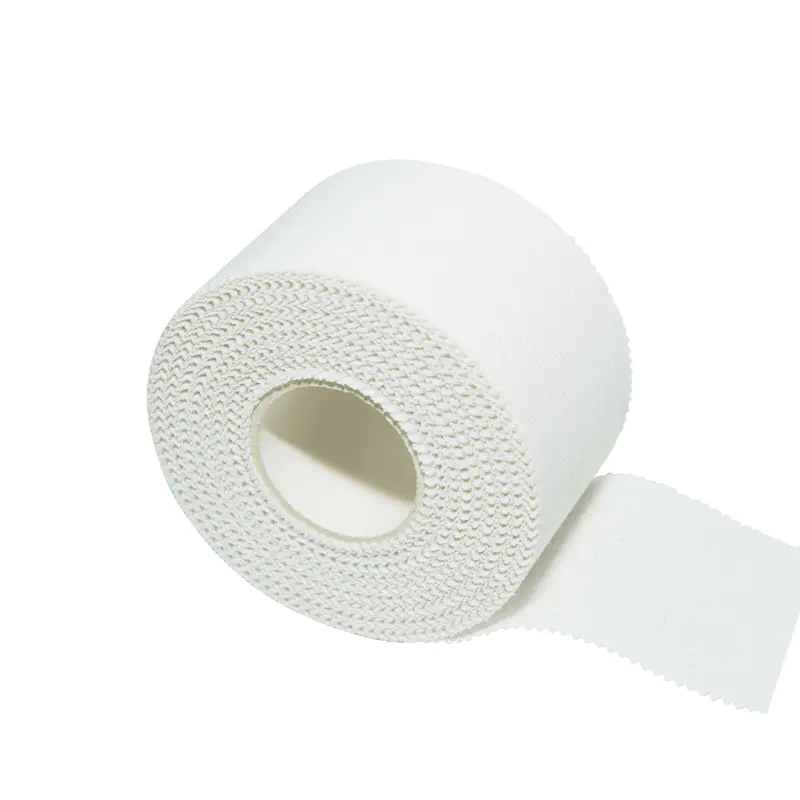
Finger taping is common in ball sports, grappling and weight training, where small joints are exposed to repeated stress. A narrow cotton tape can protect the skin and add a layer of support without limiting grip too much. For general strapping and field work, a white cotton athletic tape remains the traditional choice because it is easy to see, easy to tear and widely accepted in sports settings.
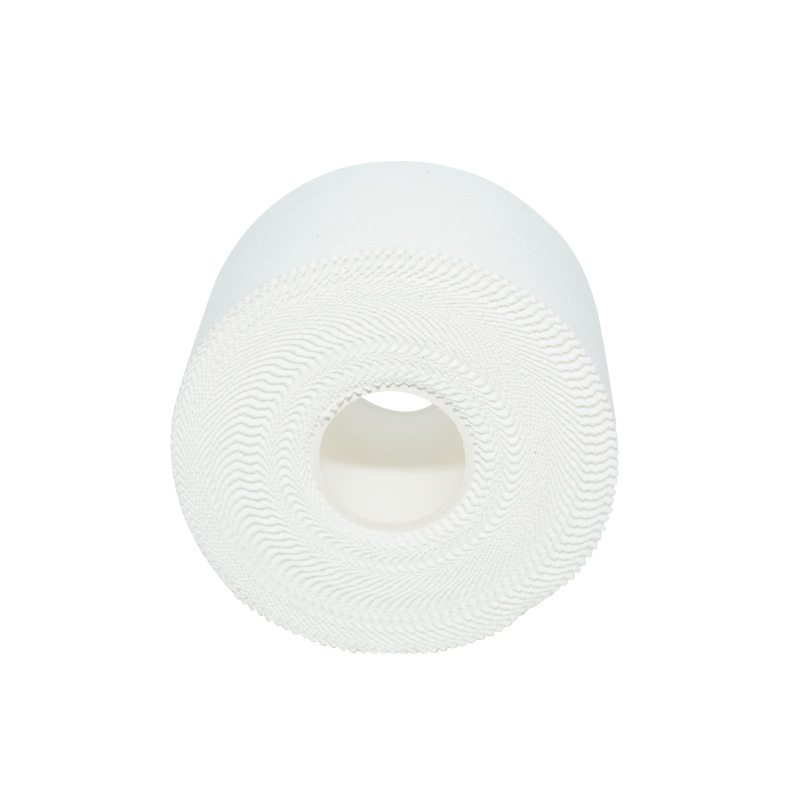 White Cotton Athletic Tape for Sports SupportA white cotton tape with latex-free adhesive, easy to tear for finger, wrist and ankle strapping in sports and training.View Product →
Cotton tape is also used to secure pads, hold dressings in place during non-clinical activity and mark equipment in training environments. In these cases, the tape should be chosen for clean removal and reliable adhesion rather than maximum rigidity. If the skin is sensitive, a foam under-wrap or a gentler fixation tape may be more appropriate beneath the sports tape.
Good taping starts before the roll is opened. The skin should be clean, dry and free from oils or lotions. Hair can be protected with an under-wrap when needed, and any open wound should be covered with an appropriate dressing first.
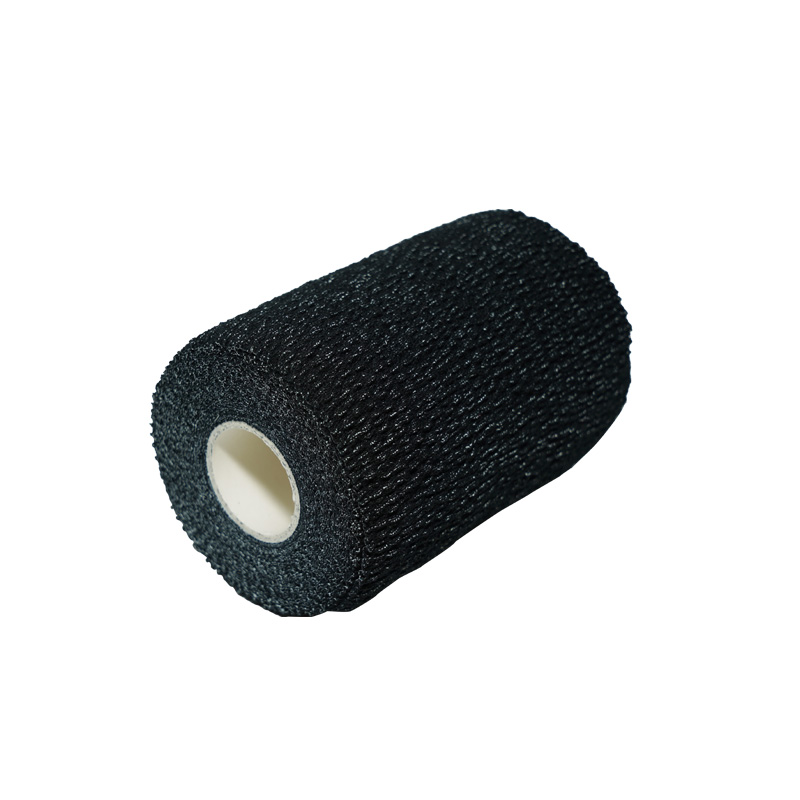
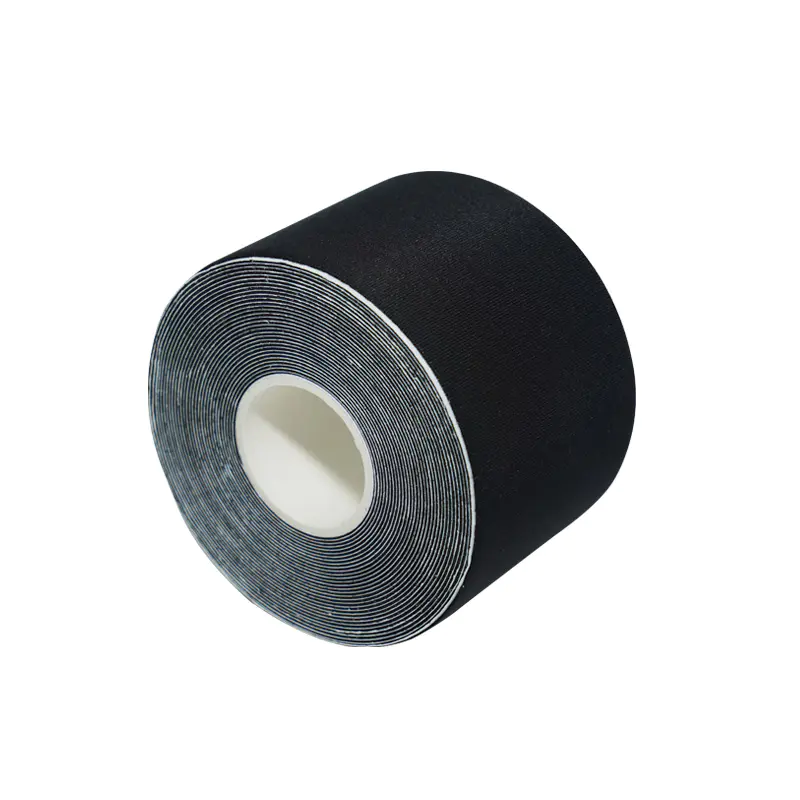
Black cotton tape is often chosen by teams that want a lower-visibility finish against dark socks, shorts or pads. The colour does not change the basic function, but it can matter for presentation, kit coordination and retail appeal.
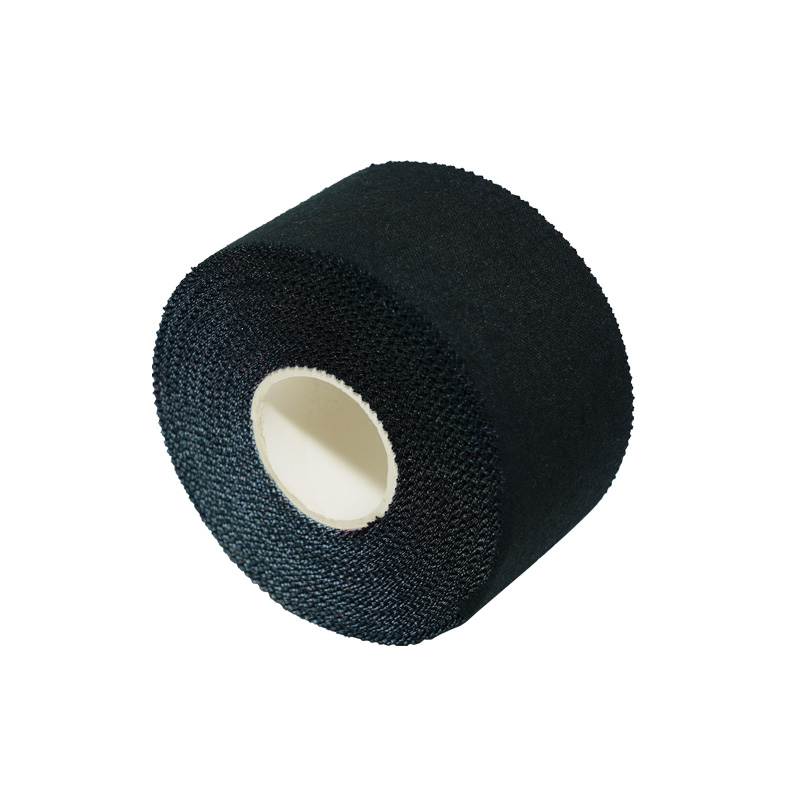 Black Cotton Elastic Athletic Support TapeA lower-visibility black cotton tape with latex-free adhesive, offering flexible support and fixation for ankles, wrists and hands during sport.View Product →
For buyers, the most useful question is not simply “which tape is strongest?” but “which tape suits the job?” A rigid strapping tape for ankles has different requirements from a softer tape used for light fixation. Width, roll length, adhesive aggressiveness and colour all affect how the product performs for the end user.
Narrow rolls are easier to manage around fingers and small joints, while wider rolls cover larger areas faster. Consistent roll length matters for cost control, especially for clubs and clinics that use tape daily.
The adhesive should hold during movement without becoming difficult to remove. Skin comfort is influenced by the cotton backing, adhesive formulation and how long the tape stays in place. Buyers serving sensitive-skin users should ask for samples and check how the tape behaves after exercise and removal.
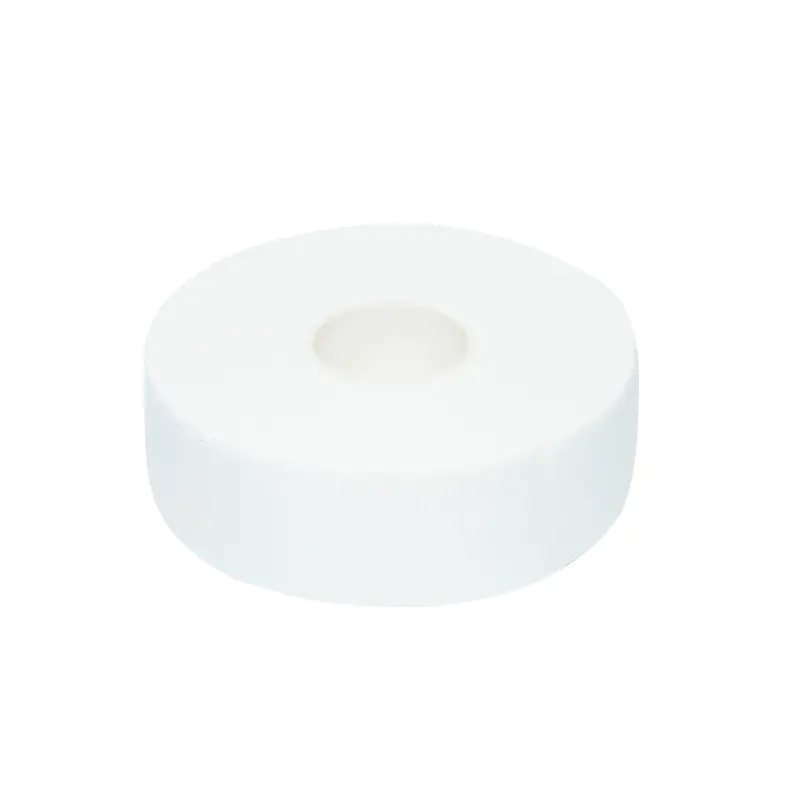
White remains the classic sports tape colour, but black, blue, red, green, pink and skin-tone options are useful for teams, retailers and branded ranges. A skin-tone cotton athletic tape can be a practical choice when a less obvious finish is preferred in clinics or public training environments.
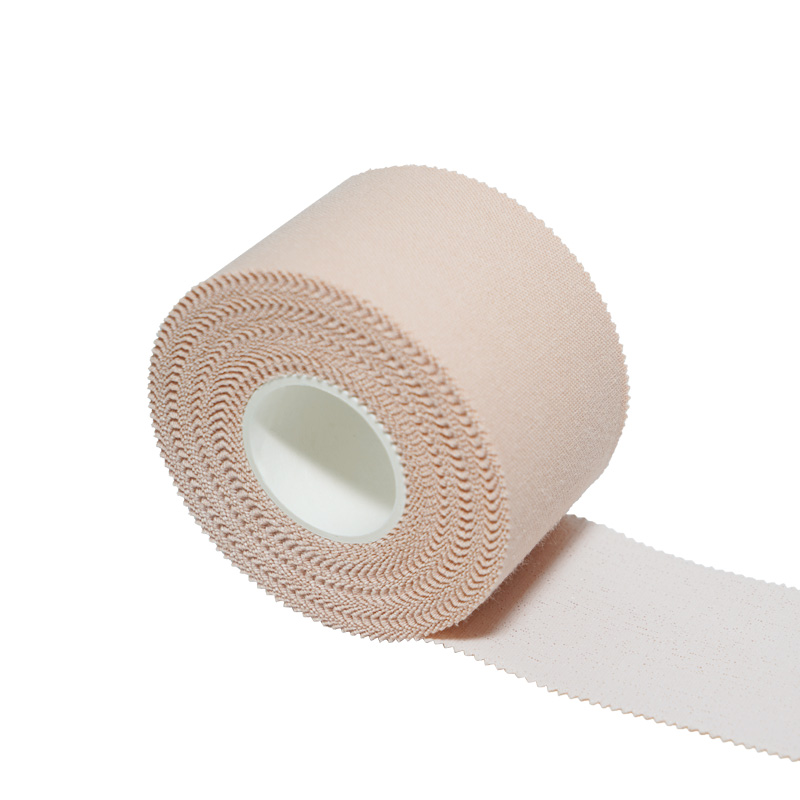 Skin-Tone Cotton Athletic Tape with Strong AdhesionA skin-tone cotton tape with latex-free adhesive for discreet support of ankles, wrists and hands during sport, training or clinic use.View Product →
At Hero Medical, we work with wholesalers, Amazon sellers and self-employed practitioners who need a reliable manufacturing partner rather than a generic catalogue. Our factory in Jiaxing was established in 2016, covers 3,000 square metres and operates two coating lines that can run two different adhesive products at the same time. Our regular bandage output is reported at 300,000 rolls per month, with annual capacity above one million rolls.
Those figures matter most when they translate into consistent supply. We can support CE-related documentation, custom colours, packaging design and product development based on drawings or samples. Many orders can be completed within 25 working days, and we can work with FOB, CIF and FBA arrangements for export-focused customers. You can learn more about our production setup on the about page.
Because cotton sports tape is often bought in repeat orders, small differences in adhesive feel or roll tension become noticeable over time. A manufacturer that tracks those details can help a brand avoid inconsistent feedback from athletes and retail customers.
Whether you are testing a new supplier or reviewing an existing product, practical checks are more useful than glossy claims. Start with the unwind: the tape should release smoothly without dragging or splitting. Tear a strip by hand and look for a clean edge. Apply it to a volunteer, leave it in place through light activity and review how it removes.
These checks are especially important for buyers serving sports clubs, clinics and online customers, because a tape that performs well on day one but varies on the next delivery can create unnecessary returns and lost trust.
Cotton sports tape has stayed relevant because it solves a simple problem well: it gives support where movement needs to be controlled, while staying familiar and comfortable in the hands of the person applying it. For athletes, that means a dependable layer of protection during training. For coaches and practitioners, it means a product that behaves predictably when time is short. For buyers, it means looking closely at construction, consistency and supply rather than colour alone.
If you are planning a cotton sports tape range, start with the applications that matter most to your customers, test the tape in real use and build the specification from there. A well-made roll may look simple, but the details are what keep athletes coming back to it.
 NO.89 Duanshu Road, Xinggong Road, Pinghu City, Zhejiang Province, China
 [email protected]
 +86-(0)573-8507 6991

Copyright © hero-medical.com. All Rights Reserved
 Wholesale Sport Tape Manufacturers
China Sport Tape Suppliers
The information provided on this website is intended for use only in countries and jurisdictions outside of the People's Republic of China.
 English
 Espana
 Français
 Deutsch